


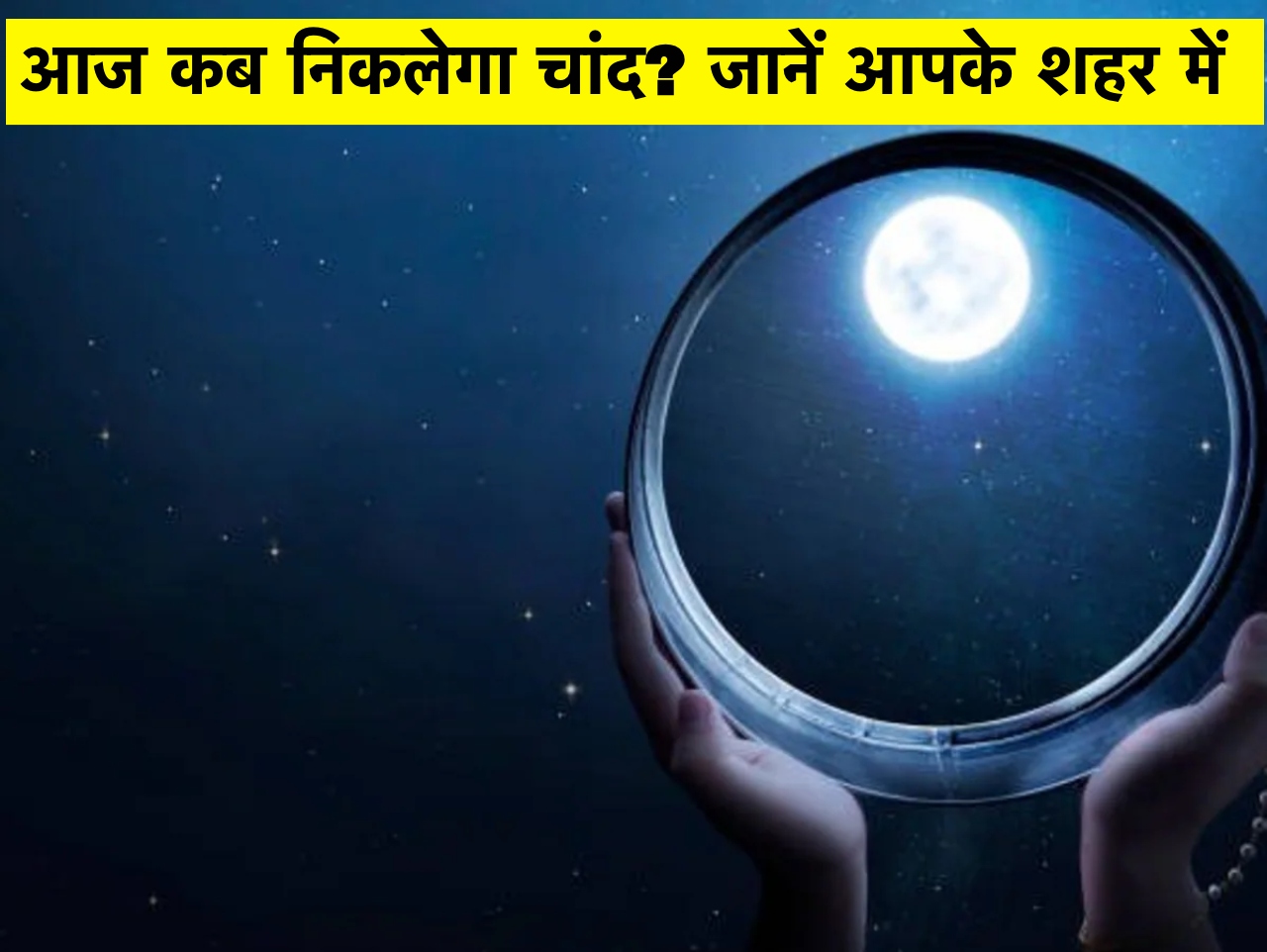
Karwa Chauth 2025 chand kab niklega – Karwa Chauth is not merely a festival; it is a profound tapestry woven with threads of love, devotion, and unwavering faith. Celebrated predominantly by married Hindu women across North India, this sacred nirjala vrat (waterless fast) is a powerful testament to the marital bond. Observed on the Chaturthi Tithi (fourth day) of the Krishna Paksha (waning phase of the moon) in the month of Kartik, the day is dedicated to praying for the longevity, prosperity, and well-being of their husbands. In 2025, the air is thick with anticipation as women prepare to observe this auspicious fast with traditional fervour.
This article provides a comprehensive guide to the Karwa Chauth 2025 shubh muhurat, moon sighting timings, and the rich rituals that define this beautiful celebration.
The Auspicious Date and Significance of Karwa Chauth 2025
According to the Hindu Panchang, the Karwa Chauth fast in 2025 will be observed on Friday, October 10th. The Chaturthi Tithi begins at 10:54 PM on October 9th and concludes at 7:38 PM on October 10th. Since the fast is observed during the day, the date is marked by when the sun rises, hence the vrat falls on October 10th.
The festival’s origins are steeped in legend. Many believe the ritual was first narrated by Lord Krishna to Draupadi to help the Pandavas overcome their challenges. Another popular legend states that Lord Shiva explained the vrat’s significance to Goddess Parvati. These mythological roots underscore the festival’s power, symbolising a wife’s solah shringar (sixteen adornments) not just in appearance, but in spirit, as she embarks on a difficult fast for her partner’s well-being.
Karwa Chauth 2025 Puja Shubh Muhurat: The Most Auspicious Window
The evening puja, known as the Karwa Chauth Sandhya Puja, is the cornerstone of the festival. It is performed during the Pradosh Kaal, the twilight period just after sunset, which is considered an Abhujh Muhurat—a time so auspicious that no other planetary calculations are needed.
For Karwa Chauth 2025, the most propitious time for performing the puja is from 5:56 PM to 7:10 PM. This 1-hour and 14-minute window is ideal for offering prayers to Lord Shiva, Goddess Parvati, Lord Ganesha, and the revered Karwa Mata or Chauth Mata.
Moon Sighting Timings for Major Indian Cities in 2025
The breaking of the fast is a moment of high emotion, contingent upon the sighting of the moon. After a long day without food or water, women eagerly await the moonrise to finally partake in sustenance from their husband’s hands. The moonrise time, or Chandrodaya, varies from city to city.
Here is a detailed table for the expected moonrise timings in major Indian cities on October 10, 2025:
| City | Expected Moonrise Time |
|---|---|
| Delhi, NCR (Gurugram, Noida, Ghaziabad) | 8:13 PM |
| Mumbai | 8:55 PM |
| Kolkata | 7:45 PM |
| Chennai | 7:30 PM |
| Chandigarh | 8:08 PM |
| Ludhiana | 8:11 PM |
| Dehradun | 8:04 PM |
| Shimla | 7:48 PM |
| Patna | 7:48 PM |
| Lucknow | 8:42 PM |
| Indore | 8:33 PM |
| Bhopal | 8:26 PM |
| Ahmedabad | 8:47 PM |
| Jaipur | 8:22 PM |
| Raipur | 7:43 PM |
It is advisable to confirm the exact timing locally on the day of the festival, as atmospheric conditions can cause slight variations.
The Rituals of the Day: A Step-by-Step Guide
The observance of Karwa Chauth is a meticulous process, each step imbued with symbolic meaning.
Sargi: The day begins before sunrise with Sargi, a pre-dawn meal meticulously prepared by the mother-in-law. This meal, which includes fruits, vermicelli pudding (sawaiyan), and other nourishing foods, is meant to provide strength for the long day ahead.
The Fast: From sunrise until moonrise, women observe a strict nirjala vrat, abstaining from both food and water. The day is often spent in rest, listening to the Karwa Chauth katha (the story), and applying mehndi (henna).
Evening Puja Preparations: In the evening, women adorn themselves in their finest attire, typically auspicious red or pink sarees or lehengas, symbolising love and prosperity. They gather in a community, often in a temple or a common area, with their decorated puja thalis.
The Puja Ceremony: The puja thali contains a diya (earthen lamp), vermilion, rice, sweets, and a special karwa—a spherical earthen pot filled with water. During the puja, women listen to the katha and pass their thalis in a circle while singing traditional songs. Offerings of halwa-puri are made to Chauth Mata.
Moon Sighting and Breaking the Fast: The climax of the evening arrives with the moon. The tradition involves first viewing the moon through a sieve (chhalni), followed by viewing the husband’s face through the same sieve. This charming ritual is believed to filter out any negative energies. Water is offered to the moon (Arghya), and then, the husband helps his wife drink water, followed by feeding her the first morsel of food, traditionally a sweet, thereby breaking her fast. This act is deeply symbolic of his care and her ultimate fulfilment.
Conclusion: Beyond the Fast – A Celebration of Partnership
While Karwa Chauth is visibly a day of stringent fasting and vibrant rituals, its true essence lies in its celebration of the marital journey. It is a day that reinforces the bonds of family, community, and shared cultural heritage. The fast becomes a medium for expressing love, sacrifice, and a heartfelt prayer for a shared future. In the modern context, the festival is also evolving, with many husbands choosing to fast alongside their wives in a beautiful gesture of solidarity and equal partnership.
As the moon graces the sky on October 10th, 2025, it will witness millions of silent prayers, whispered hopes, and the reaffirmation of vows, making Karwa Chauth a truly timeless and poignant celebration of togetherness.