


Samsung Galaxy S25 Ultra or iPhone 16 Pro Max : Pro max up against the Samsung Galaxy S25 Ultra in an epic contest of the six-faced phone, with the world of 2025 hanging in the balance. Both contraptions, by the way, price out of most people’s budgets. All these devices come heavily packing premium aesthetics and loaded features-a sort of smartphone for customers who want nothing less than the best. The question, though, is-who’s actually worth buying? We will analyze both phones and see how the competition is dissimilar from them.
Design and Display
The specification of the device is indeed a sight for sore eyes: The iPhone 16 Pro Max has a 6.9 inches Super Retina XDR OLED display with a 120Hz ProMotion refresh rate and whopping peak brightness of around 2000 nits. A bit on the heavier side at 227 g; however, the weight would nicely balance out due to the titanium frame and Ceramic Shield protection. The design layout is largely Apple, with clean lines and thin bezels, accompanied by a rather nice feel in hand.
The Galaxy S25 Ultra also features a 6.9 inches Dynamic AMOLED 2X Yes with those subtle differences: Slightly larger QHD+ resolution, Adaptive refresh rate of 1-120Hz, and peak brightness record:2600nits-brightest display. The S25 is as much as half a gram lighter at 218 g and protected by Gorilla Glass Armor 2.0 with IP68/IP69 ratings.
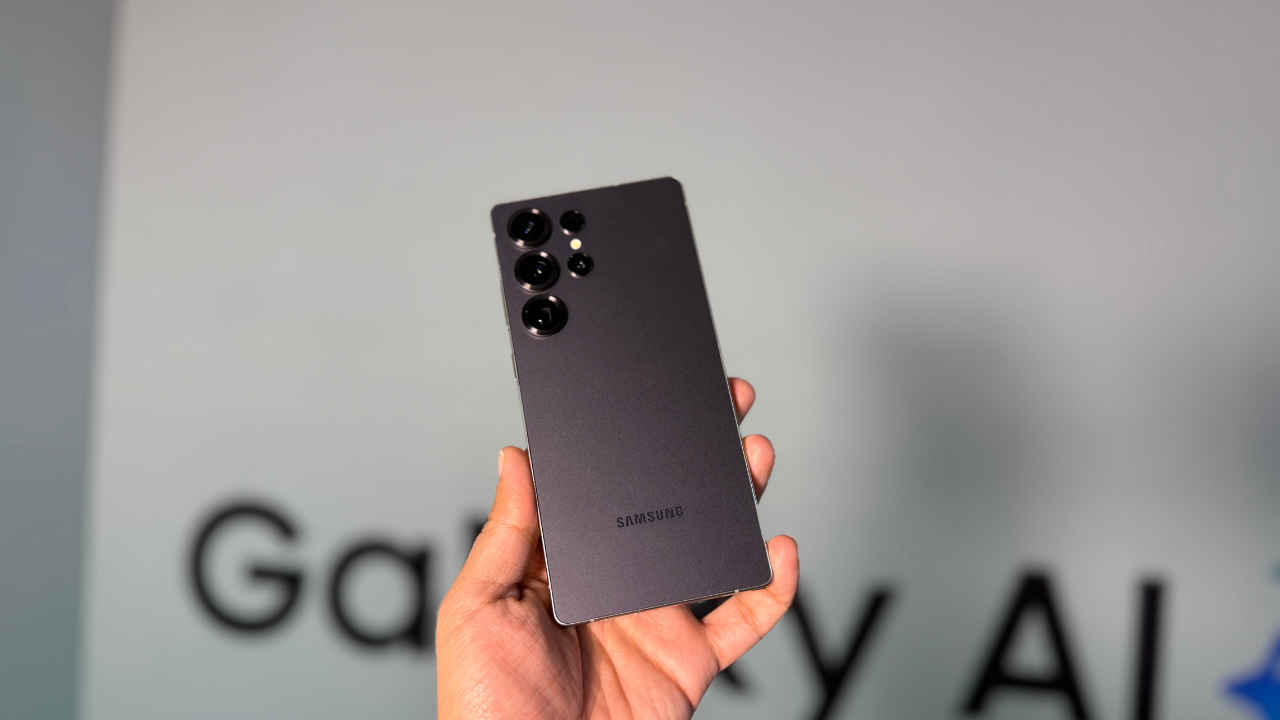
Verdict: Samsung wins in brightness and display sharpness, while Apple goes in for a more polished, premium feel.
Performance and Software
iPhone 16 Pro Max carries A18 Pro chip based on 3nm design with 8GB RAM and storage options going up to 1TB. It runs iOS 18 with stability, smooth integration into the ecosystem, and long-time software support (around 5-6 years).
The other side is the Galaxy S25 Ultra with Snapdragon 8 Elite for Galaxy processor with 12GB RAM and storage stretching up to 1TB. On the software front, this runs Android 15 with One UI 7, and Samsung is now promising 7 years of software support-an added pipe for longevity.
Verdict: Samsung wins on RAM and update promise, with Apple giving faster single-core performance and a more coherent ecosystem.
Also Read : Samsung Galaxy S25+ vs Samsung Galaxy S24+ : Design, Camera, Battery & AI Features – Details Analysis
Camera Comparison
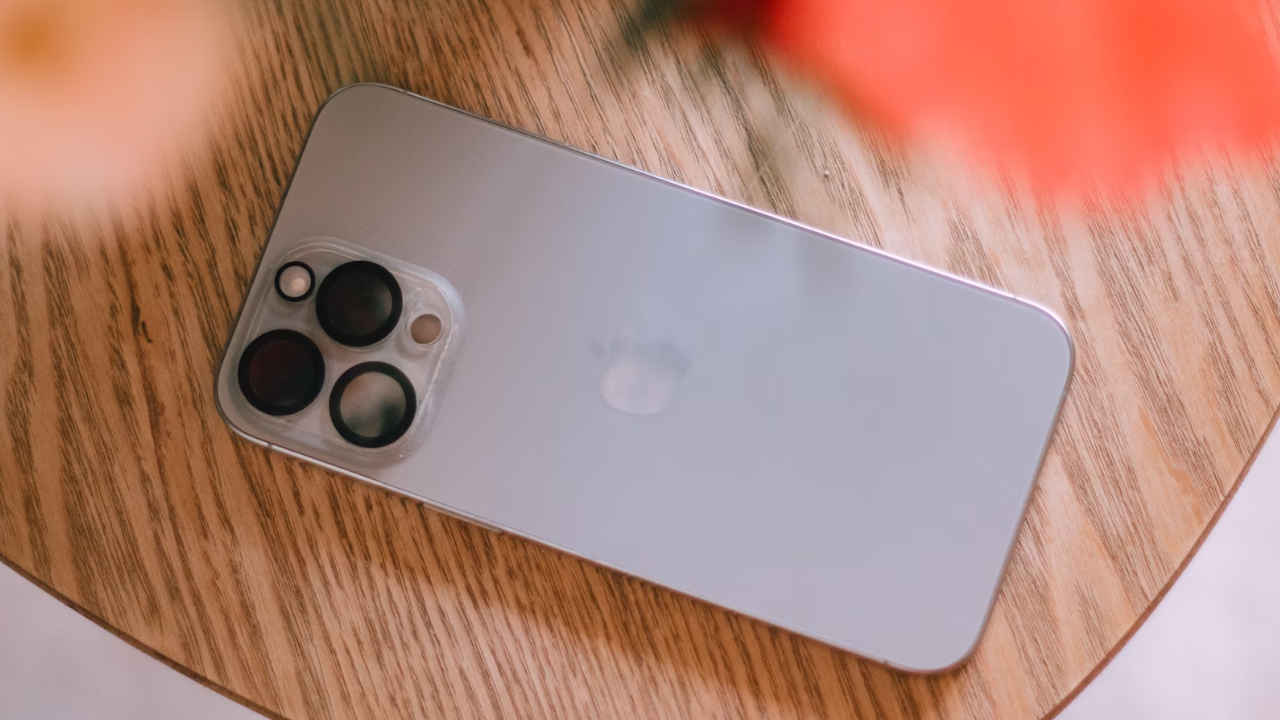
The iPhone 16 Pro Max boasts a 48 MP main Fusion sensor, a 48 MP ultrawide, and a 12 MP telephoto lens (10x optical zoom). The video recording abilities are very strong with 4K@120fps recording, ProRAW shooting, and advanced LiDAR depth support.
The Galaxy S25 Ultra is insane, housing the 200MP main sensor with ultrawide 50MP and telephoto dual-lenses: 5x and 3x, with the capability of 8K video. Super zooming has never looked so detailed backed by AI-enhanced photography.
Verdict: Samsung gets the credit for zoom and detail, while Apple takes glory for video recording with color consistency.
Battery and Charging
Apple claims about 4685 mAh on the iPhone 16 Pro Max, enough with software optimization for about 55 hours of use. Supported by wired fast charging of 25-35W, it has MagSafe wireless charging of 25W.
Samsung’s Galaxy S25 Ultra is amenable with 5,000mAh and accepted 45W wired charging, next to which is wireless and reverse wireless charging at 15W. A bit faster is always treated.
Verdict: Samsung wins on charging speed, while the iPhone wins on actual battery endurance.
Price and Value
Starting price for iPhone 16 Pro Max is ₹1,44,900 for the 256 GB variant, while the Galaxy S25 Ultra is priced at ₹1,29,999 for the same storage variant. Following gone prestige positioning by Apple, Samsung made a statement of better value against specs for less money.
Also Read : Xiaomi 15 Pro vs Xiaomi 14 Pro : Should You Upgrade to the New Flagship? – Know Here
Apple Install: iPhone 16 Pro Max i.e. An Apple empowered software ecosystem for users seeking highest next-gen video, merit polishing of premium experience, and expect relevant software support.
Pick up Samsung Galaxy S25 Ultra if a bright display, zoom photography capabilities, fast charging, good software support promises, at an even better price, is what you’re after.
Both phones are terrific, so your choice may come down to the smooth and tightly controlled ecosystem of iOS, or the freer and packed with features universe that belongs to Android.