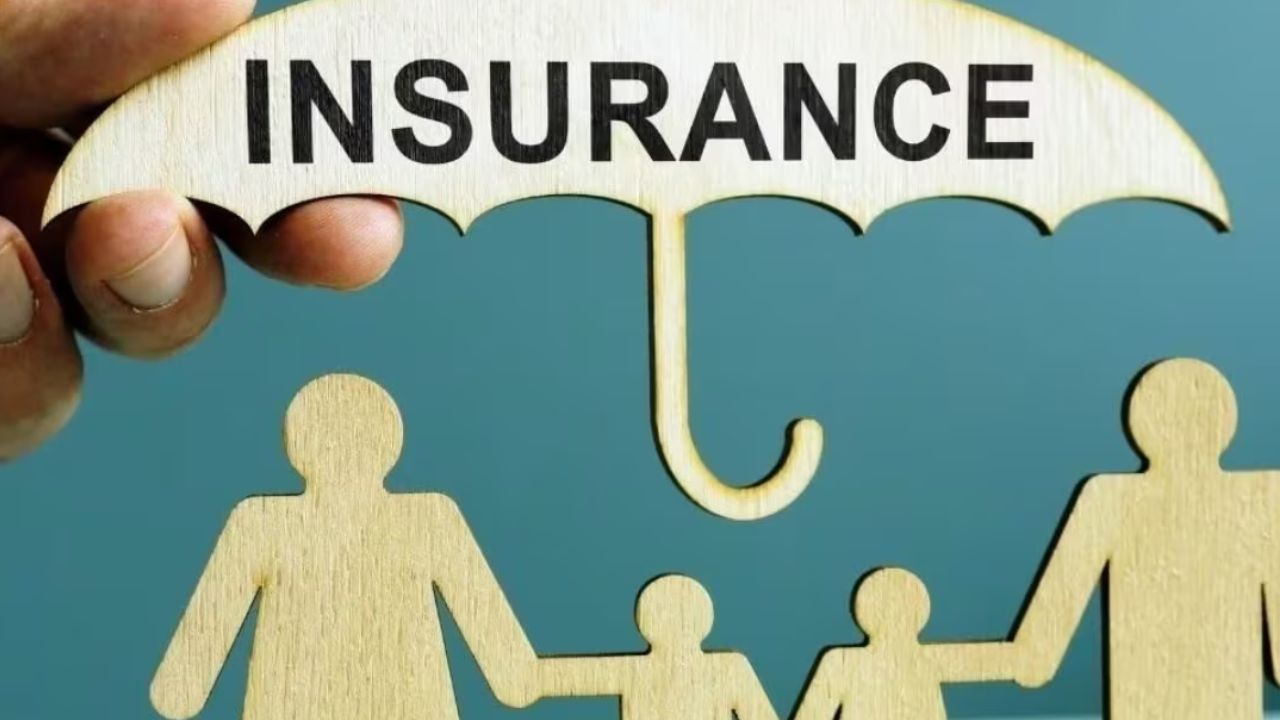
Paying insurance premiums with your hard-earned money for years and then getting the claim rejected when you need it most is nothing less than a nightmare. It not only causes financial loss but also becomes a big reason for mental stress.
Many people think that once they buy a policy, everything is safe, but this is not always true. Many times, small mistakes or lack of information create big problems. Insurance companies often reject claims for specific reasons. Today, we will tell you about 10 big mistakes that often lead to insurance claims being rejected.
Giving Incorrect or Incomplete Information
This is the most common reason for claim rejection. While buying a policy, many people depend completely on the agent and sign the form without reading it. It is important to give correct details about your age, profession, income, health, and any chronic diseases. If you hide or give wrong information, the company will treat it as ‘misrepresentation’ during claim investigation and reject your claim.
Hiding Pre-Existing Diseases
This is a major problem in health insurance. If you already have a disease like diabetes, blood pressure, thyroid, or any serious illness, you must mention it in the form. Many people hide such details to avoid higher premiums. But if you later claim for the same illness, the company will find out and reject it.
Policy Lapse
If you do not pay the premium on time, your policy will lapse. Companies give a grace period, but if you still don’t pay within that time, the policy becomes inactive. No claim is possible on a lapsed policy.
Delay in Informing the Claim
Any incident, like an accident or hospitalization, must be reported to the company immediately. For cashless treatment, you must inform them within 24 to 48 hours. For reimbursement, you need to inform within the given time limit. Delays can make the company suspicious and lead to rejection.
Not Understanding Policy Exclusions
Every policy has exclusions — situations where no claim will be given. For example, adventure sports injuries, self-harm, drug abuse, or certain illnesses that occur shortly after the policy starts. If your claim falls under exclusions, it will be rejected.
Submitting Incomplete or Wrong Documents
You must submit complete and correct documents. Health insurance needs hospital bills, discharge summaries, prescriptions, and reports. Motor insurance needs FIR copies, registration certificates, and driving licenses. Missing or wrong documents can stop claim processing.
Vehicle Modifications Without Informing (Motor Insurance)
If you make changes like adding a CNG kit or altering the engine and don’t tell the company, your claim can be rejected. The company sees this as a change in the vehicle’s risk profile.
Repairs in Non-Network Garage (Motor Insurance)
Cashless claims are allowed only in network garages. If you repair your vehicle in a non-network garage, you may need to pay from your pocket and then request reimbursement. Sometimes the company rejects claims from unauthorized garages.
Fraudulent Claims
If you submit fake bills or wrong details to get more money, the company will investigate deeply. If fraud is proven, the claim will be rejected, and legal action may be taken. You can also be blacklisted.
Claiming During the Waiting Period (Health Insurance)
Health insurance has a waiting period for some illnesses, usually 2 to 4 years. You can claim for these only after the period is over. If you claim before that, it will be rejected.
Related Stories
 Business
 Business
 Business
 Business
 Business
 Business
 Business
 Business
 Business
 Business