


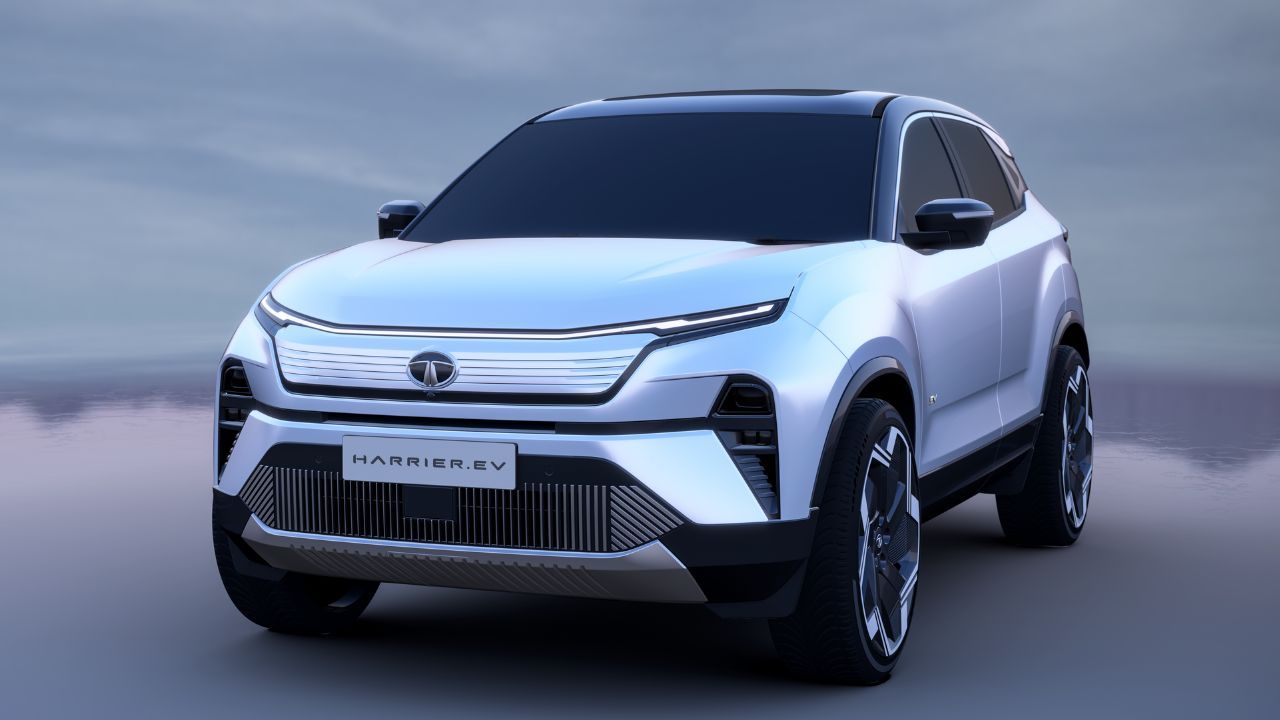
Tata Harrier EV: Tata Motors has caused a buzz in the electric SUV segment with the introduction of Harrier EV. In less than 24 hours after opening bookings, the car had already crossed 10,000 bookings. The electric SUV is now in massive demand, and customers looking to book it should first see its variant-wise waiting timeline before finalizing anything.
Bookings Received and Public Response
The hype for Tata Harrier EV is high, with consumers expressing huge interest in this electric vehicle. The car attracted more than 10,000 bookings within a day that clearly reflects how enthusiastic the customers are. The huge demand has now pushed the waiting period to a few months, subject to the variant selected.
Variant-wise Waiting Period
Buyers going for the base or entry-level model can expect to wait between 15 weeks. In the meantime, the Adventure 65 variant can take between 30 weeks, particularly in some cities. Most other variants like Empowered 75, ST, QWD, and Fearless+ 65 and 75 kWh models indicate a delivery schedule of between 12 to 21 weeks, depending on how it is configured.
Battery Options and Driving Range
Tata Harrier EV is equipped with two battery choices: one with 65kWh pack and another 75kWh pack for long range. The highest AWD version provides 504Nm torque and accelerates 0-100 km/h in a mere 6.3 seconds. Thus, the Harrier EV is not only efficient, but also very powerful on roads.
Charging Time and Range
This EV has fast charging capability and comes with serious practicality. Charged from a 120kW DC fast charger, it can reach from 20% to 80% in only 25 minutes. A 15-minute fast charge can actually deliver approximately 250km of range. According to MIDC tests, the top-of-the-line 75kWh RWD variant has a best-in-class range of 627km, while in-house testing reveals a range of 480 to 505km depending on the model.
Price and Optional Fast Charger
Harrier EV is available in various options, and respective pricing is different. Moreover, customers can opt for buying a 7.2kW AC fast charger for ₹49,000 if required. This provides a useful home-charging option, easing electric transition for owners.