


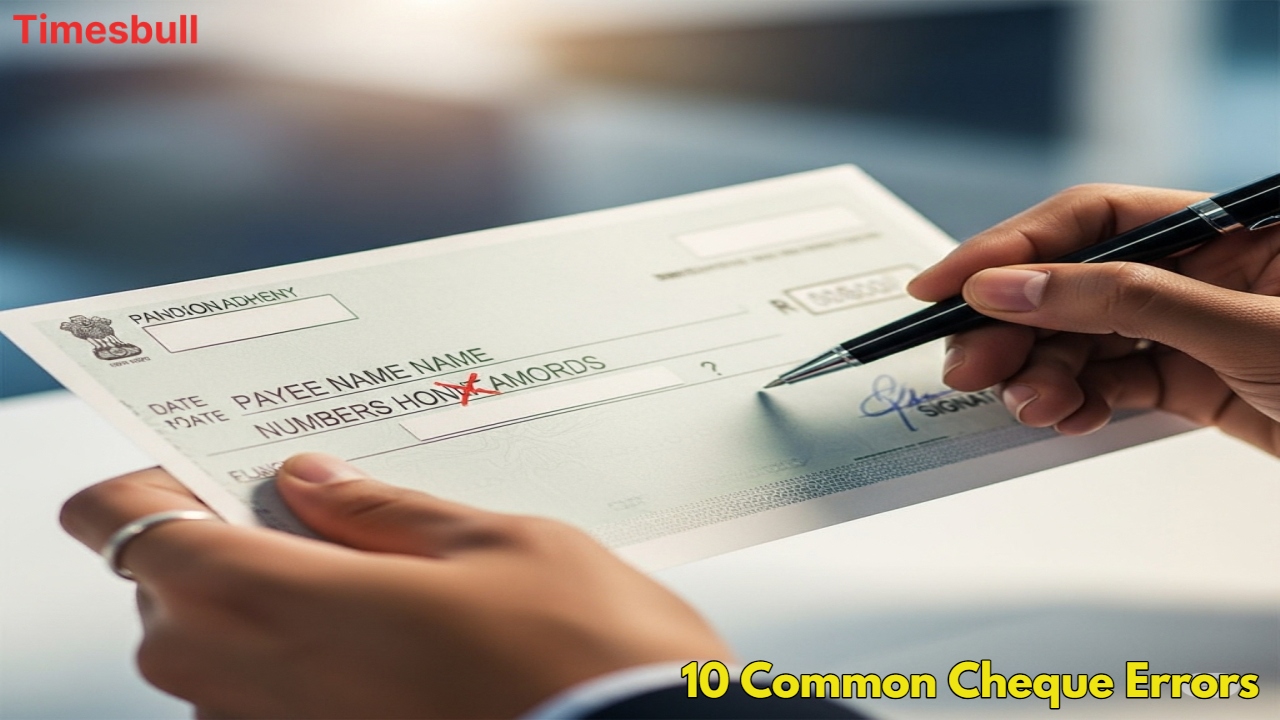
Even today, cheques are a very important part of our banking system. Whether it’s a big business transaction or a personal payment, people rely on cheques for big transactions. But cheques are a very sensitive document, in which even a small mistake can get your money stuck. Many times, people make such mistakes in carelessness, which directly leads to cheque bouncing. Cheque bouncing not only damages your reputation, but it can also be a legal offence. Therefore, one should be very careful while filling in a cheque.
Even a single mistake can cost you dearly
While filling out your cheque, keep these 10 important points in mind so that your payment is safe and successful:
Write the correct date
The date written on the cheque is the first thing that the bank checks while clearing the cheque. The validity of a cheque is only 3 months. If an old or wrong future date is written, the cheque may be rejected. If you are giving a post-dated cheque (PDC), the cheque will not be cleared before the due date.
Write the payee’s name clearly and correctly
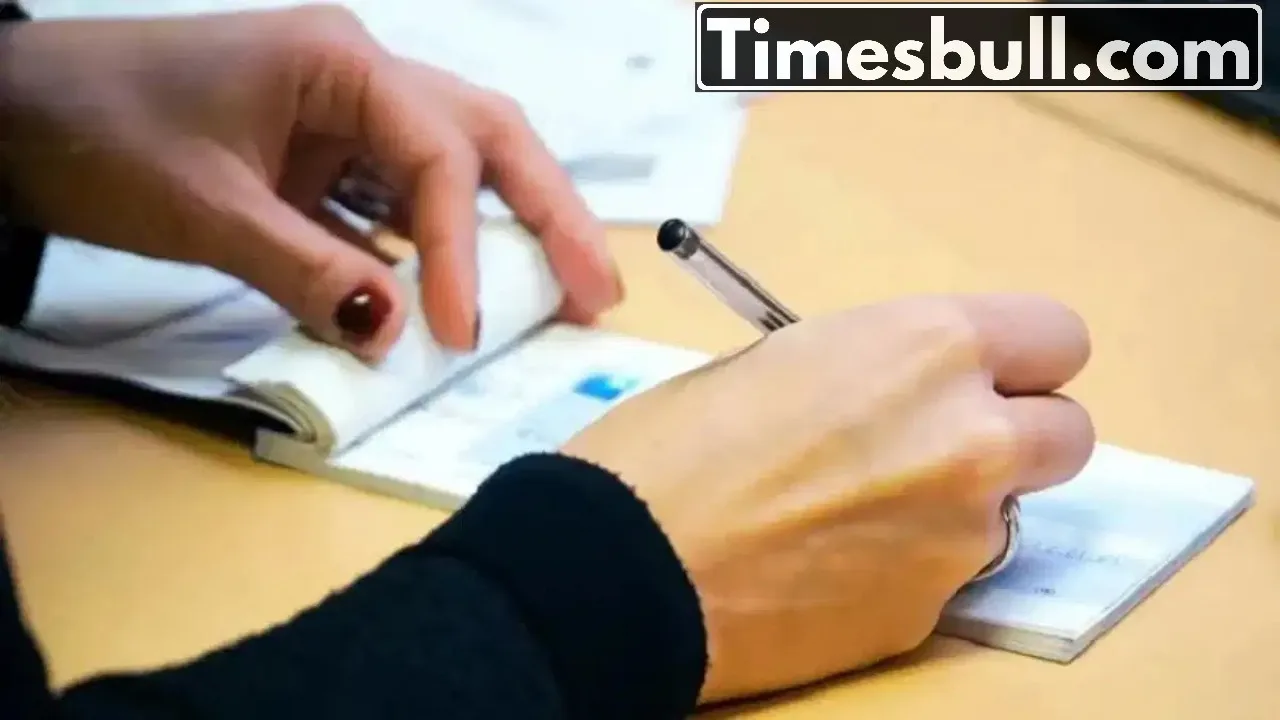
The name of the person or company to whom the payment is to be made in the cheque should be written clearly and correctly. Avoid any kind of overwriting. Even a spelling mistake in the name can lead to the cheque being cancelled. “Bearer” or “Self” can also be written, but clarity is very important.
There should be no difference between the amount written in figures and words
The amount is written twice in the cheque – once in figures (eg, ₹25000) and a second time in words (eg, “twenty-five thousand rupees only”). There should be no difference between these two. If there is a difference, the bank will reject the cheque.
Correct the signature
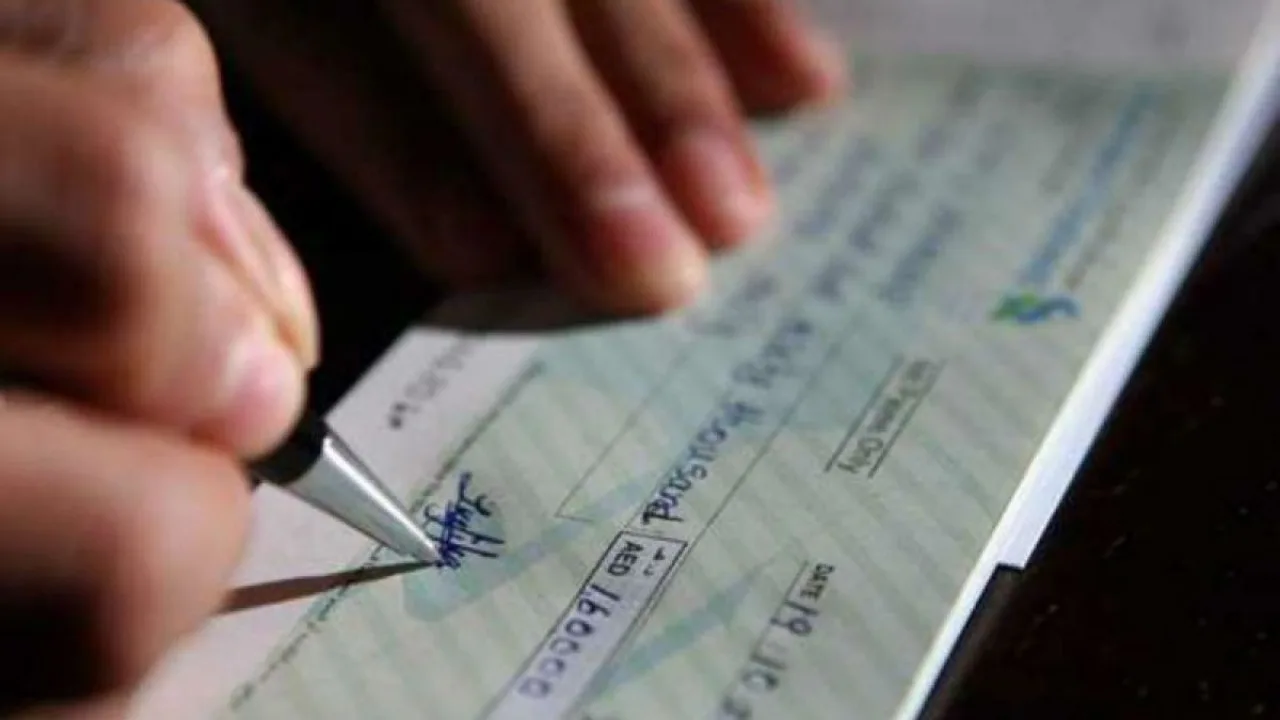
Your signature should match your bank records. If there is a mismatch in the signature, the bank rejects the cheque. Overwriting or a mistake in the signature can also cause the cheque to bounce. This is one of the most common mistakes.
There should be a sufficient balance in the account
If the account does not have the amount mentioned in the cheque, then this becomes the biggest reason for the cheque to bounce. This not only leads to financial loss, but can also lead to legal action under Section 138 of the Negotiable Instruments Act.
Avoid overwriting
The cheque is a sensitive document. Cutting, adding, or repeatedly writing any entry is considered suspicious. This makes the bank think that the cheque has been tampered with, and the cheque gets rejected.
Do not tamper with the micro-lining and IFSC code of the cheque
There is a micro-printed lining at the bottom of the cheque which contains bank details, cheque number, IFSC code, etc. If this part gets dirty or torn, the cheque will not be read by the machine and will be rejected.
Use ‘A/C Payee’ and ‘Non-Negotiable’ correctly
If you want the cheque to go to the account of that person only, then definitely write ‘A/C Payee’ and ‘Crossed Cheque’ on the cheque. This reduces the chances of the cheque going into the wrong hands, and is an important security measure.
Do not leave any blank space
Fill the blank space on the cheque or draw a line, so that no one can add anything to it later. This is an important security measure that can be risky to ignore.
Avoid sketching or folding the cheque
Many times, people fold the cheque, which damages it. Due to this, the bank machines are unable to scan it, and the cheque gets rejected. Always keep the cheque clean and flat.