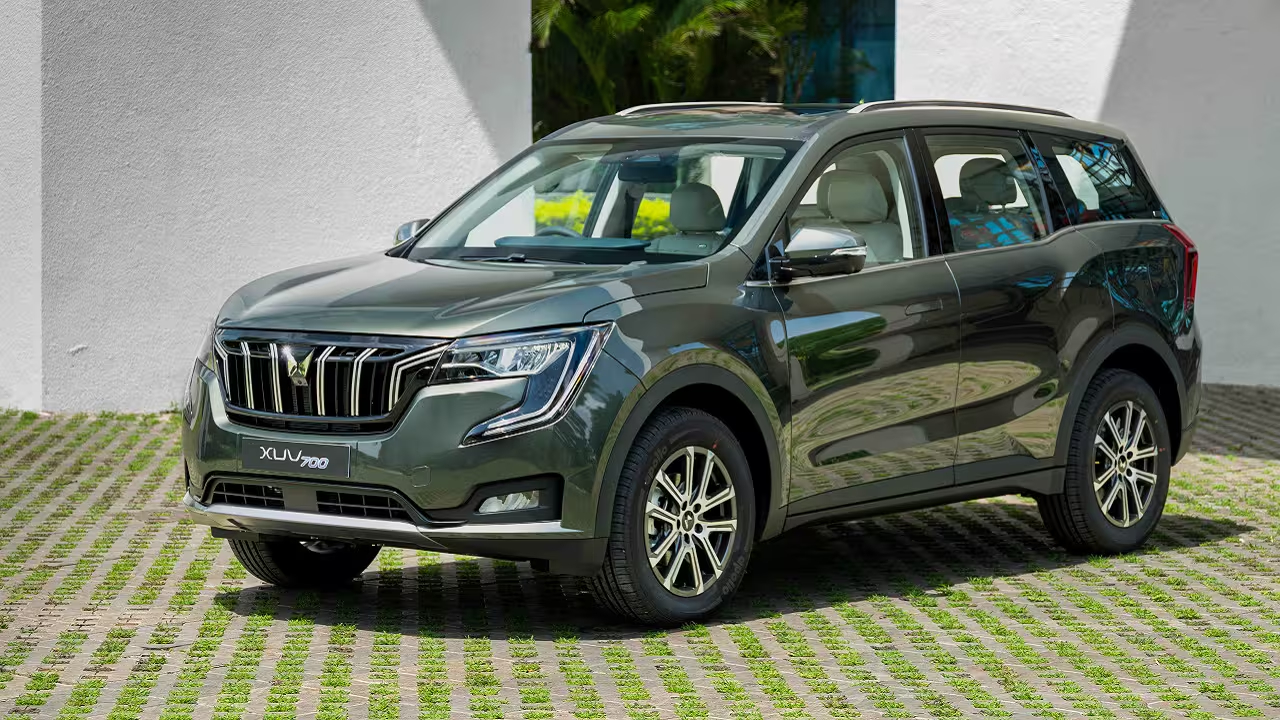
Mahindra is bringing a fresh upgrade to one of its most loved SUVs. The XUV700, launched in 2021, is now getting a facelift that’s already being tested on public roads. Spy shots have revealed key design changes that signal a bold new look with advanced interior tech for the SUV.
Updated Front and Rear Design
The upcoming XUV700 facelift will feature noticeable changes to its exterior. Spy images confirm new headlamps with dual U-shaped LED elements. Mahindra is also going for a new six-slot radiator grille, giving it a stronger and more aggressive stance.
At the rear, expect a newly designed bumper and reflectors. Though not confirmed, updates to the front bumper and fresh 18-inch alloy wheels are highly likely. Mahindra may also add new paint choices for a more modern feel.
Cabin to Get Triple-Screen Layout
Inside the cabin, a triple-screen setup is expected, inspired by Mahindra’s XUV.e9 concept. This would include displays for the driver, infotainment, and front passenger. The third screen might allow passengers to watch videos, make calls, play games, or even control navigation.
The dashboard design and interior color scheme could also be refreshed to match the tech-forward vibe of this update.
Engine Options Will Remain the Same
Mahindra is not expected to change its engine lineup for the facelift. The XUV700 will continue offering three powertrain options. The petrol version includes a 2.0-litre turbo engine with 197 hp and 380 Nm torque, paired with either a 6-speed manual or automatic gearbox.
Diesel options include a 2.2-litre turbo unit in two different tunes. One produces 153 hp and 360 Nm torque, while the higher-spec version makes up to 182 hp and 450 Nm torque when paired with the automatic transmission.
Expected Launch Timeline and Price
The facelifted XUV700 is likely to hit the Indian market in early 2026. While pricing details aren’t confirmed, estimates suggest a starting price of around ₹15 lakh (ex-showroom). Mahindra seems focused on keeping the pricing competitive while enhancing value through new features.

Viraj Kumar
Author at TimesBull covering breaking news and current affairs.
Related Stories
 Auto
Auto Auto
Auto Auto
Auto Auto
Auto Auto
Auto Auto
Auto Auto
Auto Auto
Auto Auto
Auto Auto
Auto