



Nowadays, money is transferred in the blink of an eye with UPI and online banking. But even today people use bank checks for large amounts. Because only Rs 1 lakh can be transferred per day through UPI. Apart from this, a limit of 20 transactions is also given. Do you know that the bank checks we use for large amounts can be of many types? Most of us may know about only four to five types of checks. But there are a total of 9 types of bank checks. So let’s know about these different types of checks and understand which check can be useful for you when.
Bearer Check
The name of the depositor is written in the bearer check. This check is also called Payable to Bearer Check. However, this check is risky, because if the bearer check is lost or misplaced, money can be withdrawn through this check even without the permission of the bank holder and the depositor.
Order Check
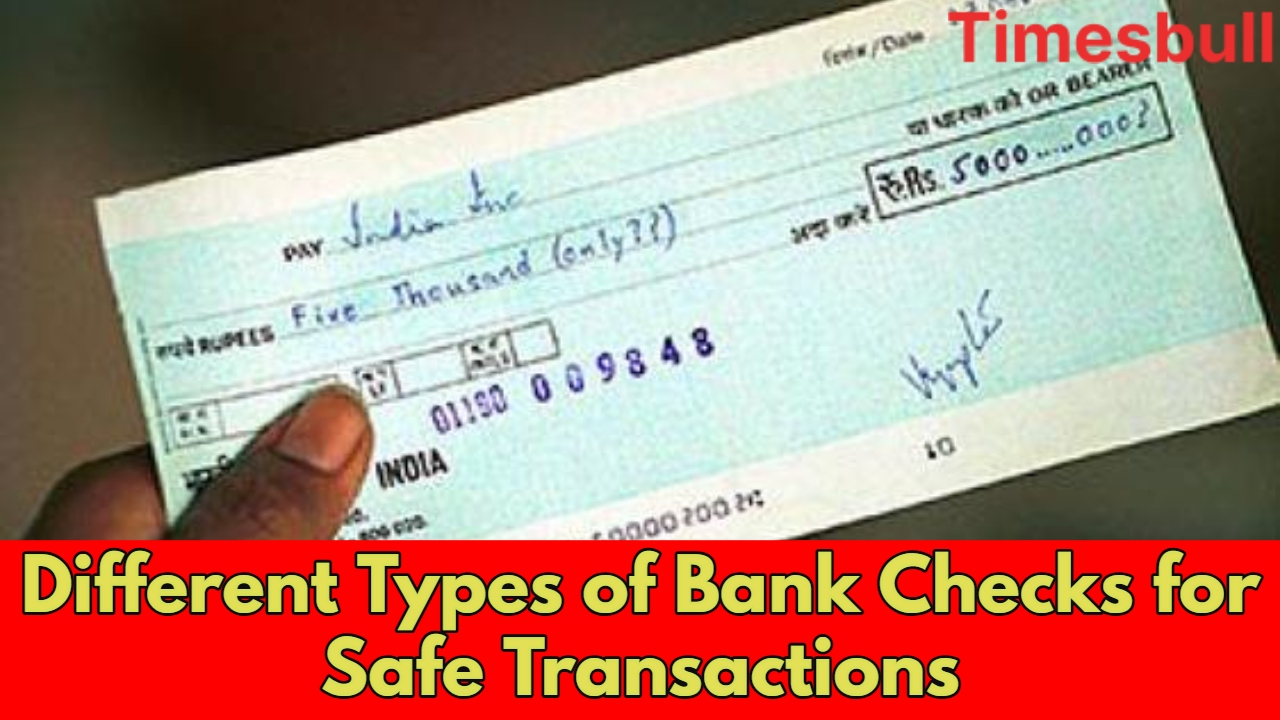
This check is considered a little safer than a bearer check because it also contains the name of the person to whom the money is to be drawn. Therefore, in this check, instead of the bearer, or order is written. This check is paid only to the person whose name is written on it, or whom that person duly endorses (authorizes someone else to make the payment by signing).
Read More:- NPCI’s New UPI Rule from April 1, Inactive IDs to Be Blocked
Read More:- PM Internship Scheme: Golden Opportunity for Youth, Apply Now Before March 31 Deadline
Crossed Check
The name of this check itself gives an idea of the purpose of this check. A cross mark is made on this check. There are fewer cases of fraud in this, because the money goes directly to the bank account. Two parallel diagonal lines are drawn on the upper left corner of this check, between which ‘Account Payee Only’ can be written, which means that the payment will be deposited only in the account of the nominated person.
Open Check
This check is not considered safe, because anyone can withdraw money through this check. It is also called an uncrossed check. At the same time, money can also be transferred from the original recipient to another recipient through this check.
Post Dated Check
Post dated checks can be used for the future. This check can be deposited in the bank anytime after it is issued. People often use this check to pay society or pay house rent every month. A future date is written on it, and it is valid only after that date.
Stale Check
These are those checks whose validity period has expired. Therefore, money cannot be withdrawn through this check. Earlier, the validity period was kept up to six months from the date of issue of the check. However, now it has been reduced to three months.
Traveller’s Check
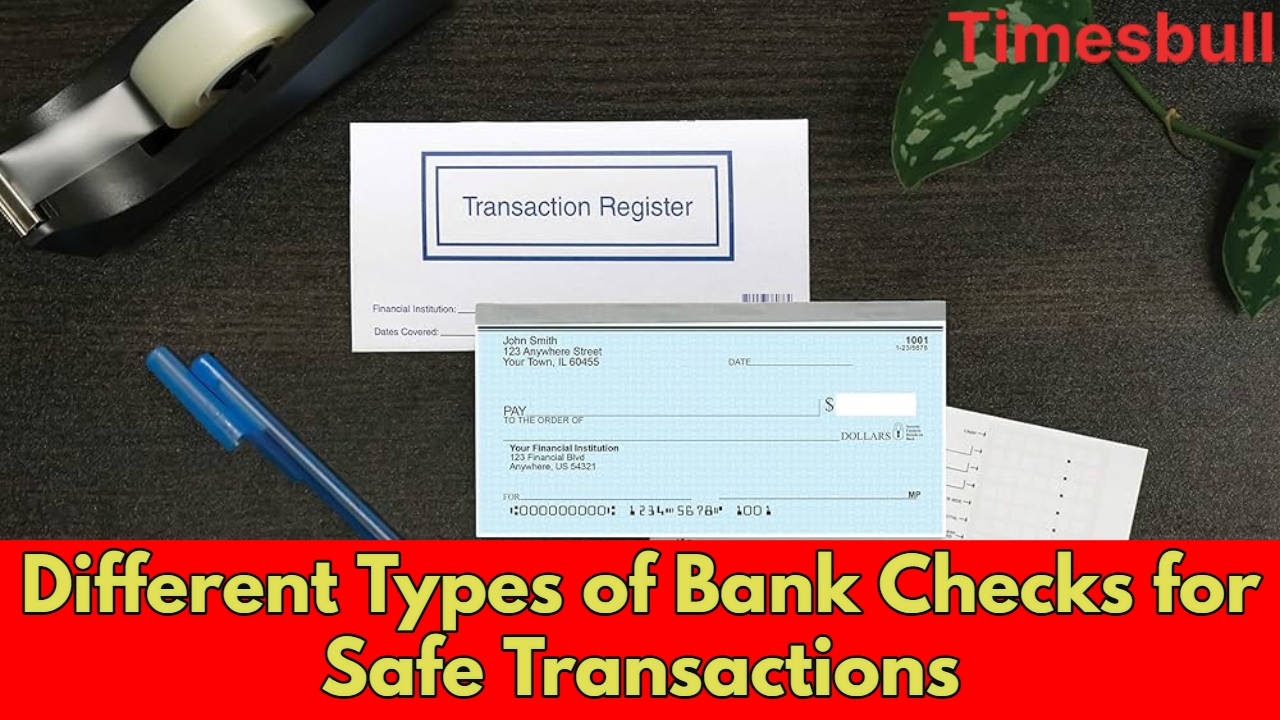
As can be understood from its name, this check is used while traveling. Often people are not able to keep much money while traveling, so they can use this check. It is a pre-paid check that can be cashed at any bank or financial institution. However, its use has now been reduced due to the growing trend of digital payments.
Self Check
A self check is one that the account holder issues to himself. Which means that both the recipient and the issuer are the same person. People use this check to withdraw money themselves. ‘Self’ is written on it.
Bankers Check
This check is also called a demand draft. This check will be used only in the city where it is issued. It is a type of demand draft (DD) and is issued by the bank, so it guarantees payment.
Read More:- PM Awas Yojana: ₹40,000 First Installment Sent to Beneficiaries, Check Your Account Now