
India’s Female Gamers Quietly Reshaping a Male-Dominated Digital Playground
India’s gaming sector is no longer a boys’ club. Women have become notable participants in the country’s online gaming revolution. The numbers back this up, too, with female gamers making up around 44% of India’s 600 million-strong gaming community. These women are not merely casual

 Join Us
 Add as a preferred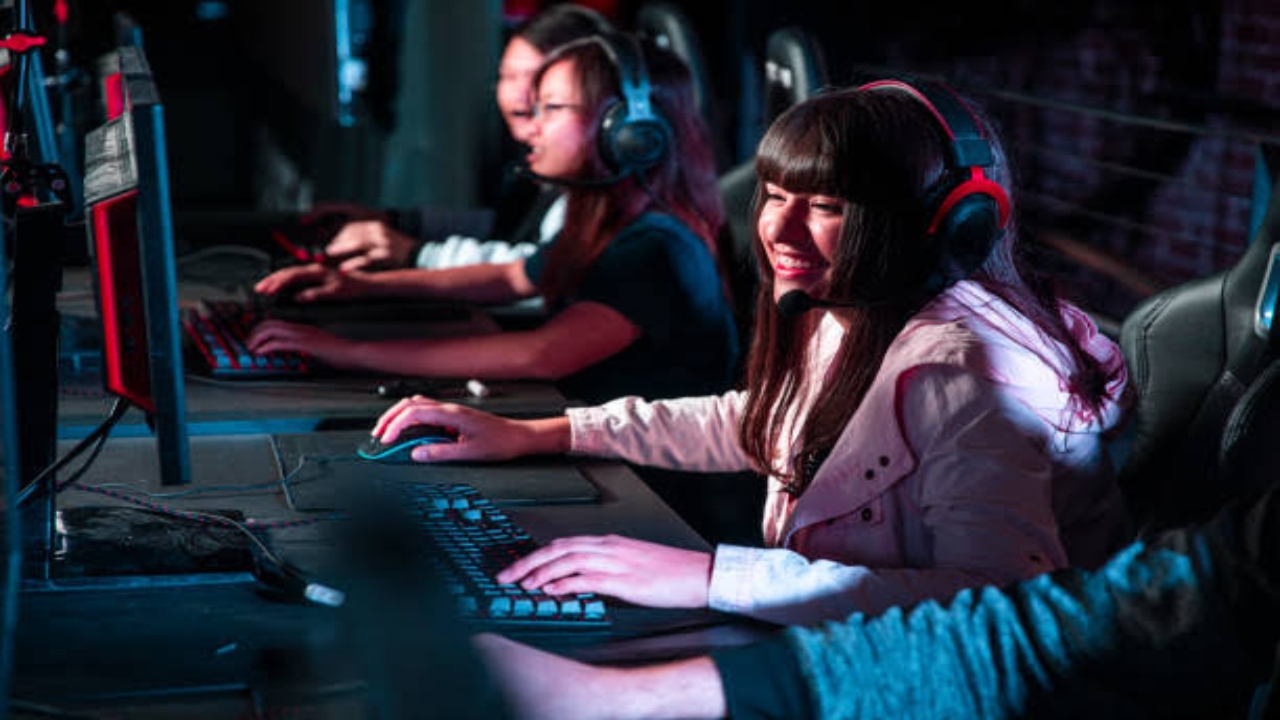
Female
India’s gaming sector is no longer a boys’ club. Women have become notable participants in the country’s online gaming revolution.
The numbers back this up, too, with female gamers making up around 44% of India’s 600 million-strong gaming community. These women are not merely casual players, either. They clock in around 11 hours of gameplay each week, roughly an hour more than male gamers. They also spend 8.5% more than men do on in-app game purchases.
The stereotype of the passive female gamer is clearly obsolete.
This shift mirrors global patterns, but India’s surge in female gamers is uniquely driven by mobile-first technology. Casual games and strategy games are now accessible with just a few taps, so women are easily downloading such apps, joining gaming communities online and pushing the boundaries of the sector to create inclusive safe spaces. As you’ll see, rummy and other casual titles are at the heart of this contemporary shift.
What are India’s Women Gamers Playing?
Casual mobile games that offer low-pressure gameplay are a major draw for women gamers in India. Titles like Candy Crush and Ludo continue to dominate screen time, but card-based games like rummy and poker are also seeing a noticeable spike in female participation.
The gender gap is particularly slim for skill-based card games like rummy because they combine strategy, social play and cultural familiarity. This trifecta resonates deeply with Indian women. To help new players ease in, many platforms like RummyTime also include beginner-friendly tutorials, easy navigation and multiple rummy game modes like Points, Deals and Pool. It’s understandable, then, that rummy game download remains consistently high, with many leading platforms recording millions of installs.
These games also function as social touchpoints. For many women, mobile card games and other casual games offer a way to relax, bond with other players, and take a break from their routines. Group tournaments, invite-only tables and women-focused promotions are also helping these platforms transform gaming from a solo activity into a safe, shared experience.
Designing Safer Spaces for Women Gamers
Female participation in India’s online gaming sector may be growing, but many women are still cautious about their online safety and visibility. Public chatrooms, open lobbies and gendered usernames can invite unwanted attention or even harassment, an issue many female gamers have regularly reported. As a workaround, many women choose gender-neutral handles and anonymous avatars to ensure privacy. As one gamer put it, “The only way to escape is to hide your identity.”
Platform design is evolving to meet this need for increased security and agency. Most leading apps now come with built-in muting, blocking and reporting features that allow users to filter out toxic or abusive interactions. Some also have private tables, invite-only games and women-only game rooms that act as safe spaces for female gamers. These changes are more than cosmetic additions to existing gaming apps. They are deliberate measures that address real safety concerns among women in online gaming.
Content moderation is also getting stronger. Platforms are investing in automated moderation tools that flag offensive or abusive language in real time. With community-led reporting and platform-led curation going hand-in-hand, gaming spaces are slowly yet steadily beginning to feel more secure. Still, the larger context matters. Many Indian women gamers prefer playing from home rather than in public or social settings. This is less because of a lack of access and more because women feel safer there.
Beyond Just Playing: How Women Are Shaping the Gaming Sector
The growing presence of women in the gaming industry is also noticeable behind the scenes. As esports veteran Zerah Gonsalves Gulati notes, she has “witnessed firsthand the increasing presence of women in gaming, both as players and professionals.” They are now increasingly stepping into roles as developers, designers, streamers and even CXOs to contribute to the industry’s growth.
Still, female representation in the gaming workforce is far from balanced. Women make up around 44% of India’s gamers, yet only 12-14% of its gaming workforce. This disparity is bigger than a numbers issue. Developers, designers and writers bring their lived experiences to the table, and without more diverse voices, the industry risks reinforcing the same stereotypes it’s trying to shed.
To their credit, some industry leaders are actively trying to close the gap. Conferences and community spaces are also stepping up, with sessions dedicated to women in games and efforts to support creators and early-career professionals. The shift may be gradual, but it is unmistakable that women are helping define the future of the industry.
What’s Next for Women in Gaming?
With women continuing to shape the gaming industry from the periphery and from within, their impact is also growing. They are now influencing the kind of games being developed and redefining inclusivity in various gaming platforms. This shift in cultural authorship is already happening, even if it rarely makes headlines.
As more women take up space in gaming, their reasons for participating in this industry are also expanding. For some, it is a kind of relaxation. For others, it’s about skill-building, social recognition or income. Nevertheless, for all these women in gaming, the next step revolves around visibility and agency, where the focus shifts from simply making space to sharing power.

Vikram Singh
Next Article
Weather Update – IMD Issues Heatwave & Rain Alert for 15+ States, Full State-Wise Forecast
Heatwave Alert: The Meteorological Department has forecast that heatwave conditions will persist across most states in Northwest, Central, and East India for the next 6 to 7 days. An ‘Orange Alert’ has been issued for Punjab, Haryana, the NCR-Delhi region, Coastal Andhra Pradesh, and Odisha. Additionally, the Meteorological Department has issued an alert regarding heavy rainfall in several states across the country.


Heatwave Alert: A heatwave alert has been issued across North India due to severe heat. The Meteorological Department has issued an alert for several states across the country due to intense heat. The Delhi-NCR region is currently experiencing the full brunt of this severe heat. Temperatures recorded at various weather stations in Delhi include 44.5°C at Safdarjung, 45°C at Aya Nagar, 44.9°C at Palam, and 44.6°C at Lodhi Road. Alerts regarding severe heat have also been issued for most districts of Uttar Pradesh.
Stepping out of the house during the daytime is becoming increasingly difficult. A heatwave alert has also been issued for Eastern India. Meanwhile, alerts for heavy rainfall at isolated places have been issued for South India, Sub-Himalayan West Bengal, Sikkim, the Northeast, and adjoining parts of Eastern India. Additionally, the Meteorological Department has issued a warning regarding potential rainfall over the next five days in Tamil Nadu, Kerala, Puducherry, Karaikal, and surrounding areas.
Write a Comment