
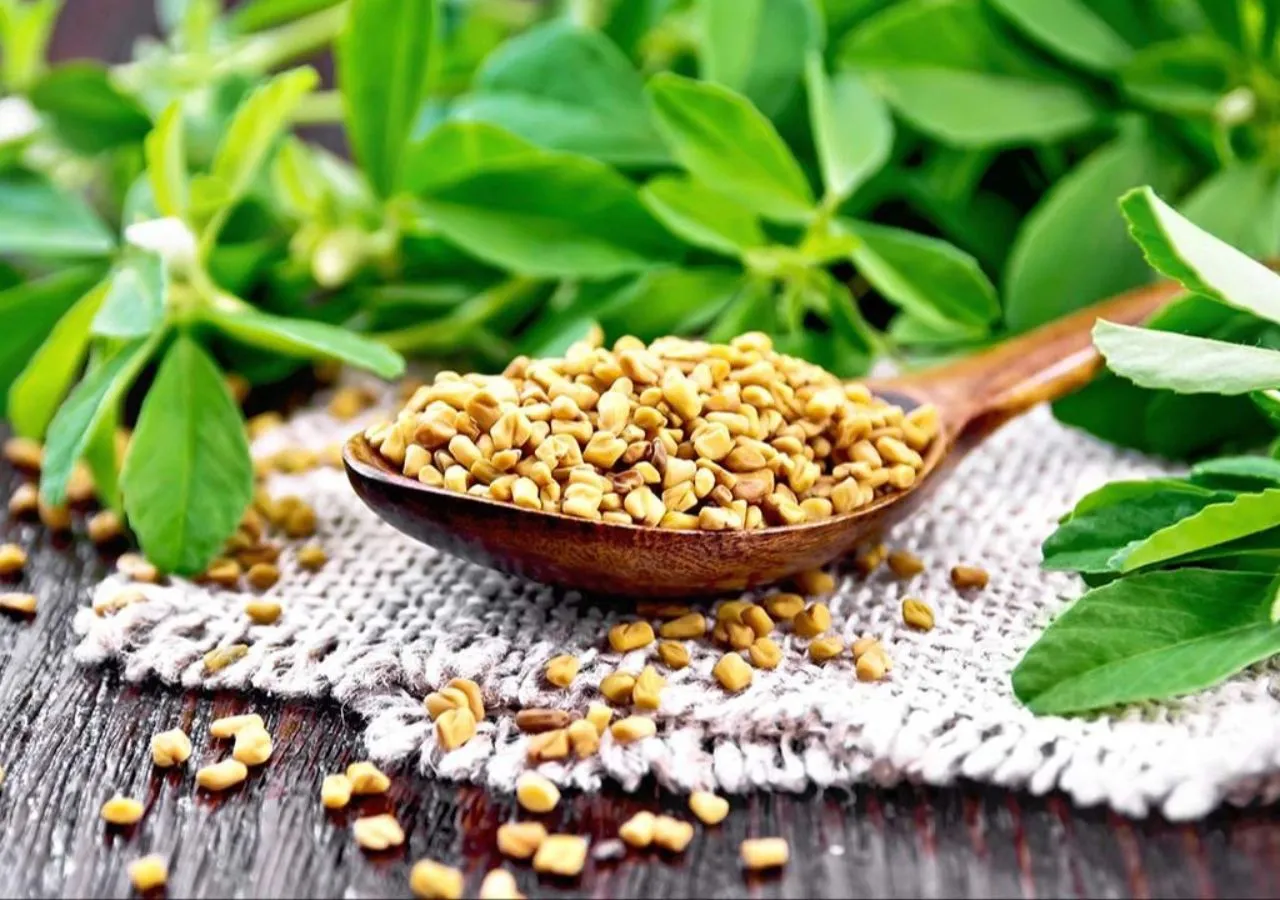
Methi : For centuries, a humble, aromatic seed has been a cornerstone of culinary and healing traditions across Asia and the Mediterranean. Known as methi in Hindi, or fenugreek globally, this potent herb is far more than just a curry ingredient. It’s a veritable powerhouse of nutrients, including fiber, iron, magnesium, manganese, and powerful antioxidants like choline. Modern science is now catching up to what ancient Ayurvedic and herbal medicine practices have long proclaimed: incorporating methi into your life can offer a remarkable array of health benefits.
A Boon for Metabolic and Blood Sugar Health
One of the most well-researched benefits of methi is its positive impact on metabolic health. The high soluble fiber content in the seeds, specifically galactomannan, plays a crucial role. It helps slow down the digestion and absorption of carbohydrates and sugars. This action can lead to more stable blood glucose levels after meals. Several studies suggest that fenugreek may improve insulin sensitivity, making it a valuable natural adjunct for those managing type 2 diabetes or prediabetes, always under a doctor’s guidance.
Supporting Healthy Cholesterol Levels
The same soluble fiber that benefits blood sugar is also a champion for heart health. Galactomannan acts like a sponge in the digestive tract, binding to cholesterol molecules and preventing their absorption into the bloodstream. Regular consumption of methi has been linked to reductions in levels of LDL (“bad”) cholesterol and triglycerides, while some research indicates it may also support healthy HDL (“good”) cholesterol levels, contributing to a healthier cardiovascular system.
Aiding Digestion and Soothing Discomfort
Methi has been a traditional remedy for various digestive complaints for good reason. Its mucilaginous nature (it becomes gelatinous when wet) helps soothe the intestinal tract, acting as a natural laxative to relieve constipation. It’s also known to ease heartburn and minor stomach inflammation. A simple cup of methi tea is a time-honored way to calm an upset stomach and promote regular, healthy digestion.
A Traditional Galactagogue for Breastfeeding Mothers
For generations, new mothers have turned to fenugreek to support healthy breast milk production. It is considered a galactagogue, a substance that can help increase milk supply. While the exact mechanism is not fully understood, it is believed that compounds in methi may stimulate sweat production—and since mammary glands are modified sweat glands, this may explain its effect. Many lactation consultants and healthcare providers recognize its use, though it’s always essential to consult with one before starting any new supplement.
Additional Potential Benefits
The versatility of methi doesn’t stop there. It’s also associated with other potential advantages:
-
Appetite Control: The fiber content can promote a feeling of fullness, which may help reduce overall calorie intake and support weight management efforts.
-
Reducing Inflammation: Antioxidants within fenugreek, such as flavonoids and polyphenols, possess anti-inflammatory properties that may help alleviate internal and external inflammation.
-
Culinary Versatility: From the bitter, maple-syrup-scented seeds in spice blends to the fresh, leafy greens (methi leaves) sautéed in dishes, it adds a unique depth of flavor and a nutrient boost to any meal.
Fact Check & How to Use Safely
Fact Check: The health benefits listed, particularly regarding blood sugar, cholesterol, and lactation, are supported by scientific research from institutions like the NIH (National Institutes of Health) and published in peer-reviewed journals such as the Journal of Ethnopharmacology and International Journal for Vitamin and Nutrition Research.
Latest News
- Weather warning – Heavy Rain, thunderstorms, lightning Alerts for 13 States Over Next 3 Days

- UP TGT Exam City Slip 2026 Released – Download at upessc.up.gov.in, Exam June 3-4

- ATM Alert: एटीएम में फंस जाए डेबिट कार्ड तो घबराएं नहीं, फटाफट यह काम करने से होगा समाधान

- Post Office Scheme – 7.5% Interest Rate, ₹5 Lakh Becomes ₹7,24,974 in 5 Years, Start with Just ₹1,000

- Best AI Video Editing Laptops Under 60,000 INR: Top Picks Her

- Best CNG Cars: पेट्रोल के बढ़ते दाम के बीच ये सीएनजी गाड़ी खरीदकर खर्च करें कम, माइलेज भी जबरदस्त

- Samsung Stable One UI 8.5 Update to Galaxy Tab S10 FE and Tab S10 FE+

- बुढ़ापे की लाठी बनेंगी ये तीन स्कीम्स, निवेश से पहले जानिए कितना मिल रहा ब्याज

- OnePlus Nord CE 6 vs Samsung Galaxy A57: Which Mid-Range 5G Phone Wins?

- Lenovo LOQ 15 Gen 11 Review: Best Budget Gaming Laptop?