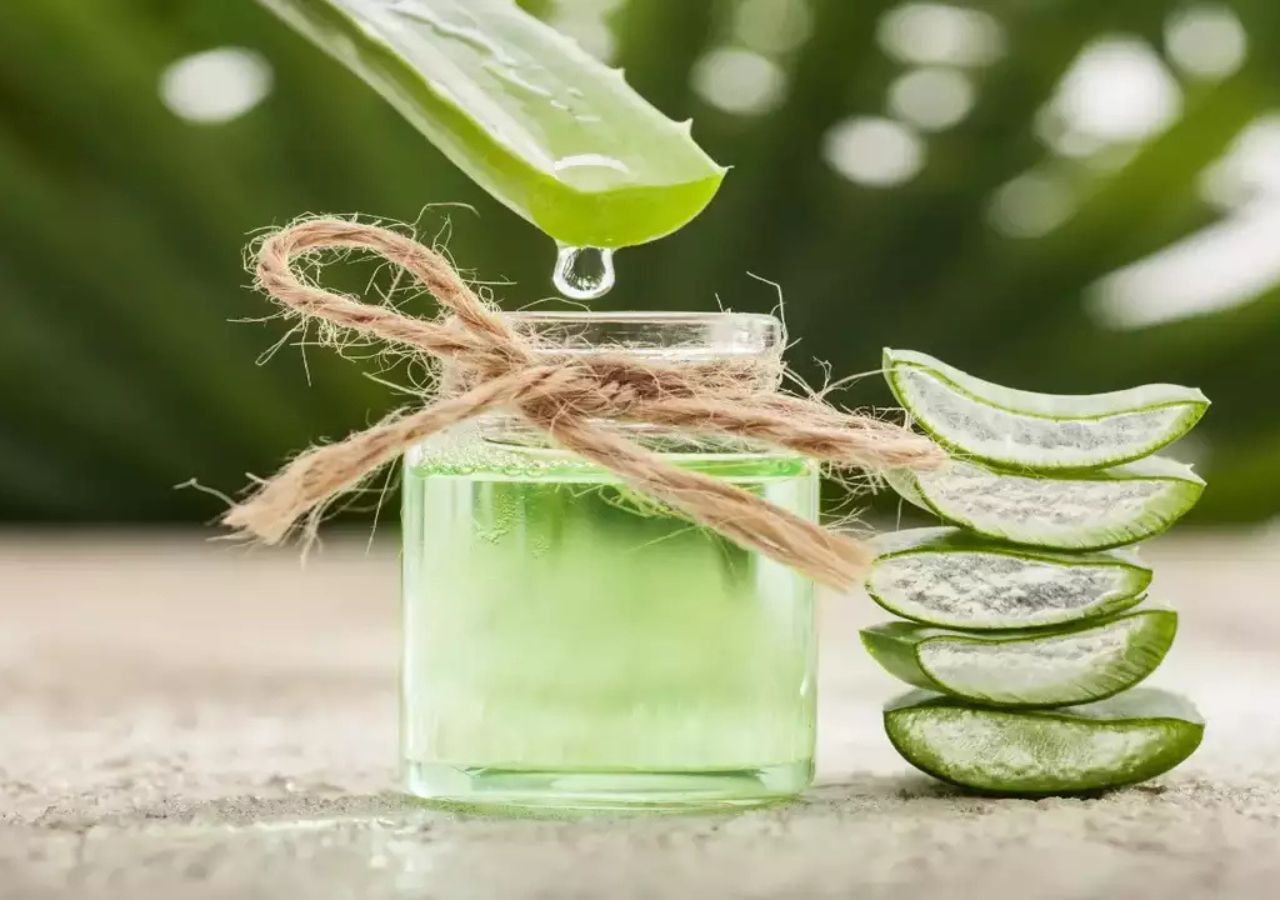
Aloe Vera : For centuries, aloe vera has been a staple in medicine cabinets and skincare routines, often hailed as a miracle plant. But with so much information available, it’s crucial to separate the vibrant green leaves from the hype. This deep dive explores the proven benefits, practical uses, and important safety tips for incorporating aloe vera into your life.
What Exactly is Aloe Vera?
Aloe vera is a succulent plant species belonging to the Aloe genus. Recognizable by its thick, fleshy, green leaves with serrated edges, it thrives in arid climates. The true magic lies within the leaf. It contains two main substances:
Latex: A yellow, sticky layer just beneath the leaf’s skin, known for its potent laxative properties (which comes with significant warnings).
Gel: The clear, gelatinous substance that makes up the inner part of the leaf. This mucilaginous gel is rich in vitamins, minerals, amino acids, and antioxidants, and is the part most commonly used in topical products and supplements.
Proven Benefits: What Can Aloe Vera Really Do?
Extensive research supports several key benefits of aloe vera gel, primarily for topical application.
1. Skin Hydration and Healing
Aloe vera gel is a powerhouse of hydration. Its water-dense composition, combined with compounds called mucopolysaccharides, helps lock moisture into the skin. This makes it an excellent, lightweight moisturizer for both dry and oily skin types. Furthermore, its blend of gibberellin and auxin hormones offers anti-inflammatory and wound-healing properties, making it effective for soothing minor cuts, scrapes, and even post-surgical wounds by enhancing collagen formation.
2. Soothing Sunburn and Skin Irritations
This is aloe’s most famous use, and for good reason. The gel acts as a protective barrier on the skin and its cooling effect provides immediate relief from the pain and heat of sunburn. Studies confirm it is an effective topical treatment for first- and second-degree burns, reducing healing time significantly compared to conventional medication.
3. Supporting Oral Health
You might find aloe vera in certain toothpastes and mouthwashes. Research suggests that aloe vera extract is just as effective as chlorhexidine (a standard mouthwash ingredient) at reducing plaque-forming bacteria. Its natural anti-inflammatory properties also make it beneficial for healing canker sores and reducing gingivitis.
4. Digestive Aid (With a Major Caution)
While aloe latex was historically used as a laxative, the U.S. Food and Drug Administration (FDA) banned its use in over-the-counter laxatives in 2002 due to safety concerns. However, the decolorized (purified) whole leaf aloe vera gel is sometimes consumed orally to support digestive comfort. Some evidence indicates it may help reduce symptoms of irritable bowel syndrome (IBS), like constipation. It is critical to consult a doctor before ingesting any aloe product, as improper use can lead to severe cramping and diarrhea.
Fact Check: Addressing Common Myths
Myth: Aloe vera can cure acne. Mostly False. While its anti-inflammatory properties can help reduce the redness and swelling of existing pimples, it is not a proven cure for acne. It doesn’t address the root causes like bacteria or clogged pores as effectively as dedicated treatments.