
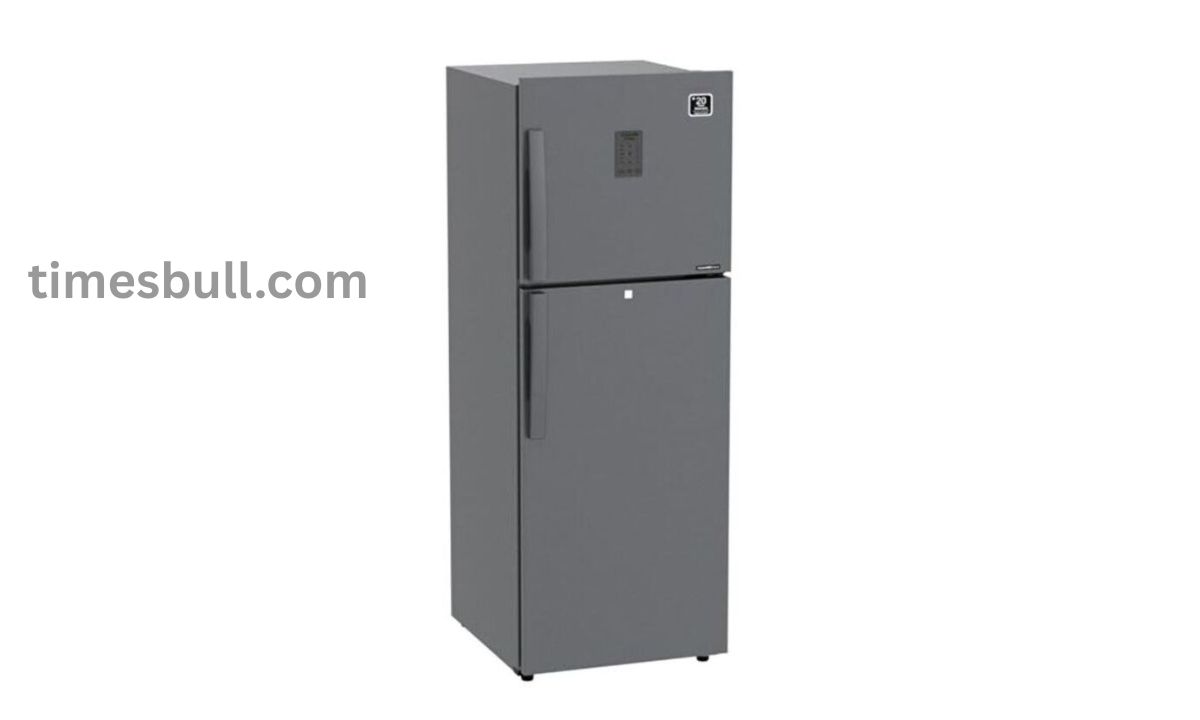
Refrigerator: People frequently ponder whether or not to turn off the refrigerator in the cold. Is turning off the refrigerator a good idea to save electricity, or might it have negative effects? Let us investigate…
In North India, summer is over and winter has arrived. There is really little need for a refrigerator in the house during the winter. Therefore, you may be thinking if it is better or worse to use the refrigerator in the cold. To conserve electricity, many homes switch off their refrigerators. Let us investigate the benefits and drawbacks of shutting off the refrigerator in the winter.
How do refrigerators work?
Experts say it can be dangerous to leave the refrigerator off. This may result in a gas leak or harm to the compressor. The majority of refrigerators on the market today may be set to change their temperature based on the weather. Put your refrigerator in winter mode to save electricity during the colder months. Your electricity cost will go down as a result of the compressor being used less.

Because it keeps the refrigerator’s internal temperature constant, the compressor typically uses power. The compressor must work harder in the summer to keep the contents cool, which raises the amount of electricity used.
Why should your refrigerator be turned off?
In North India, the winter season lasts for just two to three months. As a result, leaving your refrigerator off for long periods of time may result in component issues.
Long-term power savings can be achieved by turning off the refrigerator, but bacteria and odors can result from poor ventilation.
In addition, the compressor may become clogged and malfunction if the refrigerator is left off for prolonged periods of time.
The high cost of refrigerator compressors can result in loss of money.Thermostat switches, timers, and other parts of refrigerators are susceptible to corrosion and damage.Therefore, turn your refrigerator back on as soon as possible to avoid any faults if you turned it off throughout the winter to conserve electricity.
Latest News
- Maruti Dzire CNG Continues Dominance – Fuel Efficient Sedan Wins Indian Families

- Vivo Y600 Turbo Set to Debut: Featuring a 165Hz Display, Dimensity 8500, and a Massive 9,020mAh Battery

- HMD Vibe 2 5G Debuts in India with 6000mAh Battery & 50MP Camera: Get It For Just ₹9,499 With Launch Offers

- 8th Pay Commission लागू होते ही कितना हो जाएगा फिटमेंट फैक्टर, चेक करें अपडेट

- Oppo Find X9 Ultra Launched in India: Check Reliance Digital Price, Bank Offers, and Flagship Specs

- Electricity Bill Saving– How to Save Power During Summer Heat? Here Are the Few Tips

- Gold-Silver Rate – Gold ₹44,396 per 10 grams & Silver ₹1,85,462 per kg cheaper from the Peak

- US Green Card Rule Change, Know Before Apply

- PM Surya Ghar Scheme: खूब चलाएं एसी और कूलर, नहीं देना होगा बिल, जल्द कराएं यह काम

- ITR Filing Before May 31? You May Get Notice