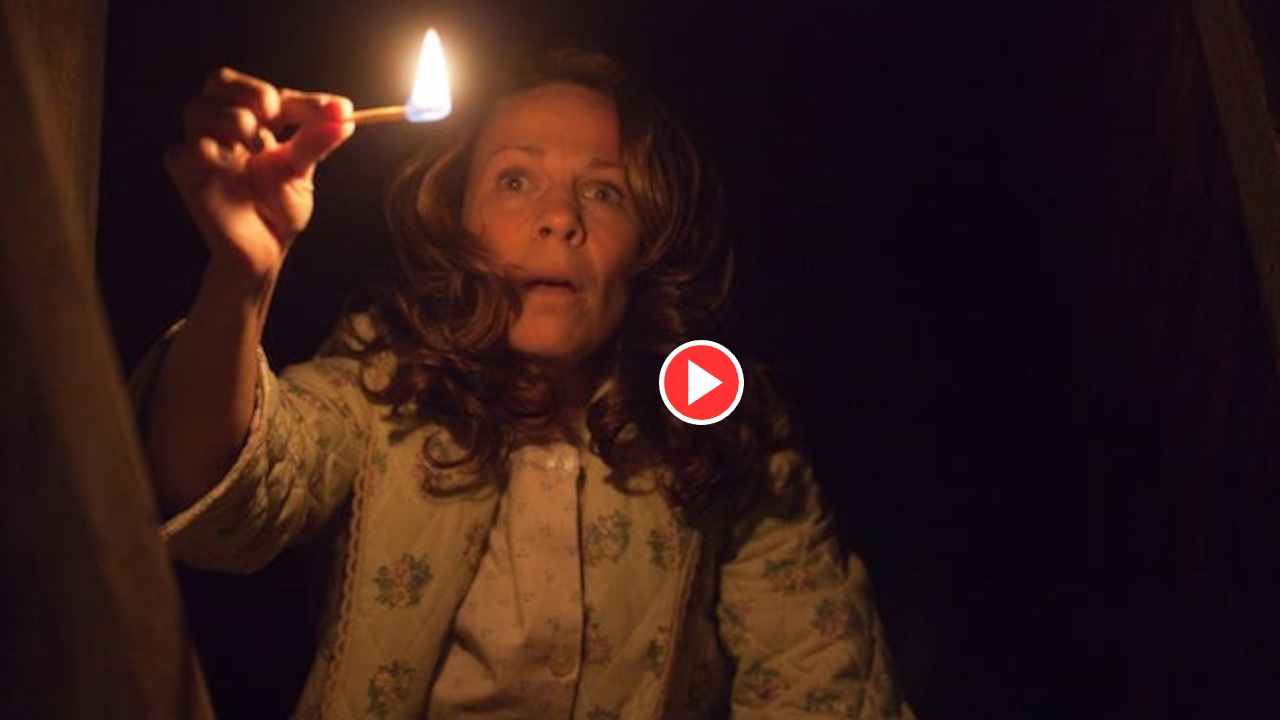
Netflix Horror Movie- Horror movie lovers, do you know why a Taiwanese horror film, Incantation, did not hit the theatres in China, while films like The Conjuring did well there? Often, Hollywood films make a splash on the big screen around the world, especially in densely populated countries like India and China. Famous horror franchises like The Conjuring and Annabelle also operate on the same formula and earn a significant portion of their earnings from global releases. But the 2022 Taiwanese horror film Incantation did not get this chance.
China flatly refused to show this film in its theatres. However, the film was released worldwide on Netflix, and it soon gained the title of one of the scariest films ever. But did you know, this is not a typical horror film? This is the story of a woman named Lee Ronan, who gets cursed after breaking a religious taboo. Now she is trying to save her daughter from the dire consequences of this curse.
This film is made in the “found footage” style, which makes everything look even more real and scary. Those who watch it say that it lingers in their minds for many days and makes them feel as if some evil force is chasing them. Perhaps this is the reason why China refused to release this 77% Rotten Tomatoes-rated film in theatres. Let’s understand this story in more depth.
China’s strict stance on ‘superstition’
While most countries consider horror films as mere entertainment, the Chinese government is very strict about such films. The Chinese government has stringent rules about the films shown in theaters. One of their rules is that films should not promote superstition or religious beliefs, as these are contrary to the values of the Chinese Communist Party.
This is the reason why the Conjuring franchise got permission, but the Taiwanese horror film Incantation was banned in Chinese theatres. This 2022 film explores ghosts, local secret rituals, curses, and gods in China’s Yunnan province, ultimately afflicting the main character with a supernatural curse. The Chinese government felt it was a very ‘close’ case to them. They believed that its visuals could be dangerous and confusing to the public, so they banned Incantation from being shown in cinemas nationwide.
Even though this Taiwanese film is a fictional story, the Chinese government believed that people could consider it to be true. And indeed, many people took it seriously after watching the film on Netflix or other platforms.
People started feeling ‘cursed’!
Psychologically affected by Lee Ronan’s repeated hand gestures and the chants he hummed, some viewers began to feel as if they were cursed. In fact, a “forbidden video” is shown in the film, and it appears so realistic that it scares people greatly. This caused a lot of fear and anger, especially when people started to believe that they were being cursed.
There are also parts in the movie where Ronan takes the audience through mental exercises and instructs them to chant mantras. Essentially, the character asks the audience to chant specific phrases, much like a real curse might begin. However, overall, what most captivated people’s minds was the fake “Based on a True Story” warning at the beginning, which was intended solely to heighten the fear.
The director had to clarify.
People started connecting the events of Incantation to an ominous event that happened in Taiwan in 2005, and started believing them to be true. So, after seeing all this, it seems that since the people of China were already so superstitious that they would think the fictional story of curses and rituals in Incantation to be true, the Chinese government did not want the movie to run in theatres and make the situation worse.
Well, it seems like a wise move, especially after the 2022 film started appearing on Chinese search engines with warning signs that it was ‘cursed’. Eventually, this made the film so controversial that people were afraid to even talk about it. According to Chinese Redditors, the situation prompted the film’s director, Kevin Ko, to intervene and clarify that the curse, goddess, and cult depicted in the movie were all fictional.
Still, people with deep cultural superstitions couldn’t shake off that sense of horror. And that’s why China said ‘no’ to Incantation – it was too scary, too surreal, and too superstitious for their taste.
The Conjuring vs. Incantation: The Difference in Fear
Now, let’s talk about why the themes depicted in The Conjuring (demons, exorcisms, and witchcraft) were considered entertaining in China, while the ideas represented in Incantation were not.
At first glance, Incantation and The Conjuring may seem somewhat similar. Both films are about people who encounter evil spirits and curses. In Incantation, a mother tries to save her daughter from a deadly curse when she accidentally breaks a sacred rule. In The Conjuring, a family is haunted by a dark spirit, and ghost hunters attempt to help them.
Both films use scary stories about curses, haunted objects, and dark rituals to scare the audience. But when you look closer, you’ll find that Incantation is very different from The Conjuring (which eventually became the standard definition of a horror movie). A significant difference is evident in the filming style.
James Wan’s The Conjuring is filmed like a typical Hollywood movie with clear shots, perfect lighting, and dramatic music. But Incantation uses the “found footage” style. This means that the film is made to look as if it were real videos produced by the characters themselves. It feels more raw, unsettling, and honest, like you’re watching someone’s video diary.
This filming format intensifies the fear even more, as it feels like the curse could actually happen to you. Also, another big difference is in the way you’re scared. The Conjuring often uses loud noises and jump scares to make you scream. But Incantation takes a slower, scarier route. It builds tension over time.
In this 2022 Taiwanese film, the scares slowly build up in your mind, leaving you feeling anxious, uneasy, and deeply unsettled (viewers with trypophobia should be cautious). Viewers don’t just feel scared for a second; they feel like something is watching them even after the movie is over. In the end, Incantation delves deep into dark and emotional themes.
It’s not just about ghosts or evil spirits; it’s about guilt, faith, motherhood, and what people will do to protect their loved ones. The film also makes you feel like you’re part of the curse, something The Conjuring never does. That’s what makes Incantation truly unique. And it’s why many now say it’s better than James Wan’s franchise.
Incantation redefined horror, just as The Blair Witch Project did, utilising psychological aspects and occult themes, while The Conjuring films stuck to the same old formula of jump scares, eerie and gloomy atmosphere, and distorted ghost makeup.
Latest News
- LSG Vs PBKS Video: ऋषभ पंत पर भड़के अर्जुन तेंदुलकर! वीडियो देखकर आप भी रह जाएंगे हैरान

- Apple MacBook Neo Deal Alert: Get It For Under ₹58,000 on Amazon Right Now

- Pakistan Attack: आत्मघाती हमले से दहला पाकिस्तान, 23 लोगों की मौत, 50 से ज्यादा घायल, जानें

- Honor Magic 9 Series Leaks: Flagship Upgrades with Massive 8,000mAh Battery and 200MP Cameras

- Motorola Edge 60 Fusion Review: Mid-Range King or Outdated?

- FD Update– Breaking Your FD Early? Know the consequences

- Bank Holiday–RBI Announces Closure of SBI, HDFC and All Banks Next Week, Save the Dates

- Samsung Galaxy S26 Ultra Amazon Deal – Get ₹23,509+ Discount with Bank Offers and Exchange Benefits

- Best Scooters For College Girls 2026 – Perfect Mix Of Mileage, Style And Lightweight Design

- Kodak Matrix QLED Google TV 2026 Series Launched in India Just Under 10,999