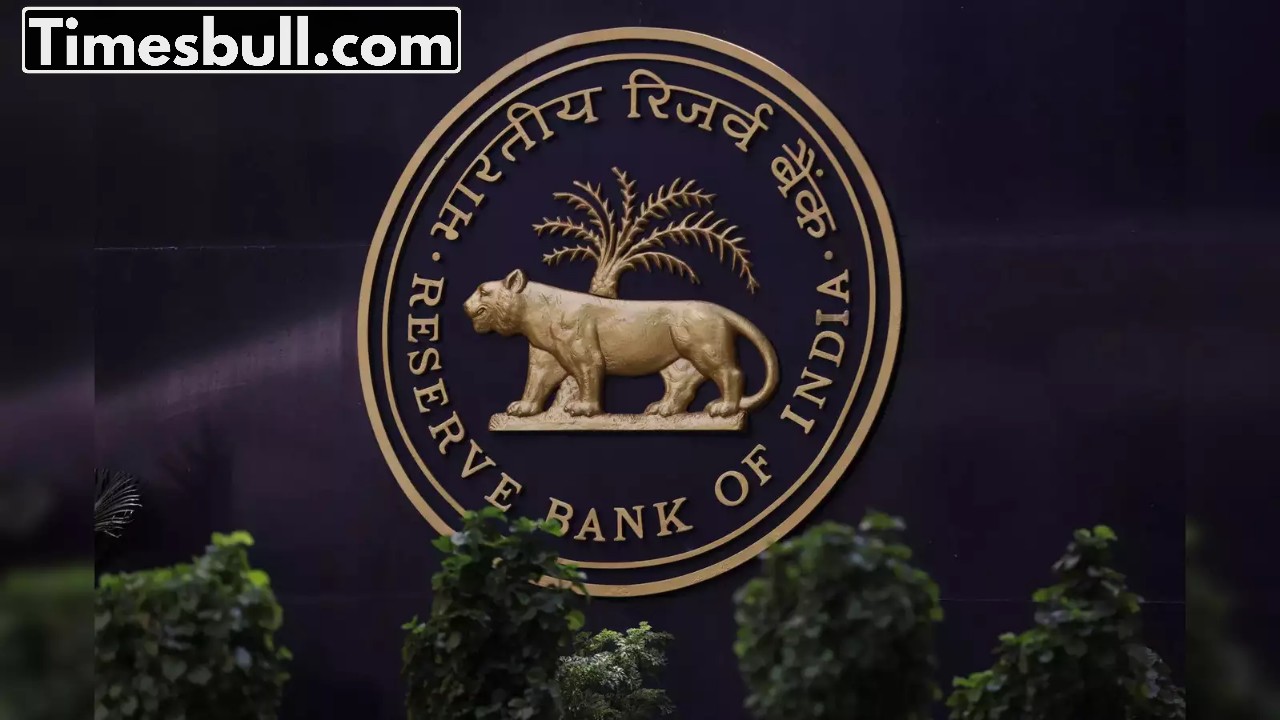
Big news for common people. Once the new governor of the Reserve Bank of India took office, he quickly announced a rate cut, and now it seems that Loan interest rates might drop even more. Officials have noted that with inflation decreasing, there’s room for further cuts. While the RBI hasn’t issued any direct orders, there have been discussions between bank officials and the RBI over the past couple of months, highlighting concerns about declining credit growth. This suggests that the RBI is either planning or has already decided to lower rates again. According to a Reuters poll, there’s a strong chance the RBI could reduce the Repo Rate by another 25 basis points during its monetary policy review on April 9. The RBI had previously cut the repo rate by 25 basis points on February 7, marking the first reduction in two years, bringing it down to 6.25.
From strict policies to a more relaxed approach
Sanjay Malhotra’s initial 100 days as RBI governor have been marked by growth-focused strategies. Since he took over in December, he has lowered interest rates for the first time in five years, pumped around $60 billion into the banking system, and relaxed lending regulations. Malhotra’s strategy contrasts sharply with that of his predecessor, Shaktikanta Das, who maintained steady interest rates for two years to control inflation. However, the government criticized this cautious approach for contributing to the economic slowdown.
Government backing and a flexible monetary policy are set to boost growth. The Finance Ministry highlighted in its monthly economic review that the government’s supportive measures, along with the Reserve Bank of India’s (RBI) accommodating monetary policy, will work in tandem to drive economic expansion. Malhotra, in his initial monetary policy statement, emphasized that “monetary policy needs to stay proactive to strike a balance between inflation and growth.” He also expressed his disapproval of increasing the minimum liquid asset requirements for banks and lowering the risk weight on loans to non-banking financial companies, as both initiatives aim to enhance credit availability.
For the financial year 2023-24, India’s growth rate is projected at 6.5%, marking the lowest since the pandemic. The government aims to transform India into a developed nation by 2047, necessitating a growth rate exceeding 8%. Economists anticipate that the upcoming monetary policy meeting will see the RBI adopt a ‘supportive’ stance. IDFC First Bank predicts that the RBI will need to inject around Rs 2 lakh crore into the economy in the next financial year, following an infusion of approximately Rs 15.5 lakh crore into the banking system over the past two months.
Loans will cost less
If the forecasts hold true and the RBI goes ahead with a rate cut on April 9, it means that various loans—like home, car, and personal loans—will see a drop in costs. Banks set their loan interest rates based on the repo rate. Should the repo rate dip below 6.25%, banks will be required to lower the interest rates they charge their customers.
Latest News
- LPG – PNG Rule – LPG Connection No Longer Needed to Surrender for PNG? Check Full Details

- UIDAI Update: आधार कार्ड में कितनी बार अपडेट कराएं नाम और जन्मतिथि? जानिए अपडेट

- Cristiano Ronaldo: गरीबी, दिल की बीमारी और एक अनचाहे बच्चे से फुटबॉल के ‘सुपरस्टार’ बनने तक की अनकही कहानी

- Weather Warning – Heavy to Very Heavy Rain Alert and Storm Warning for 13 States Next 12 Hours

- Cockroach Janata Party: कैसे एक जज की टिप्पणी ने खड़ी कर दी ‘कॉकरोच जनता पार्टी’

- Bihar Havildar Clerk Admit Card 2026 Released – Download at bpssc.bihar.gov.in, Exam on June 10

- Rohit Sharma: डोंबिवली के एक कमरे के घर से ‘हिटमैन’ बनने तक की अनकही कहानी

- Best 5G phones under ₹15,000 May 2026 – Big Battery, 144Hz Display & Powerful Cameras

- Samsung Galaxy A37 5G Review: A Reliable Mid-Range Choice

- Redmi 15 5G and Redmi Note 15 5G Prices Hiked: New Rates Announced!