
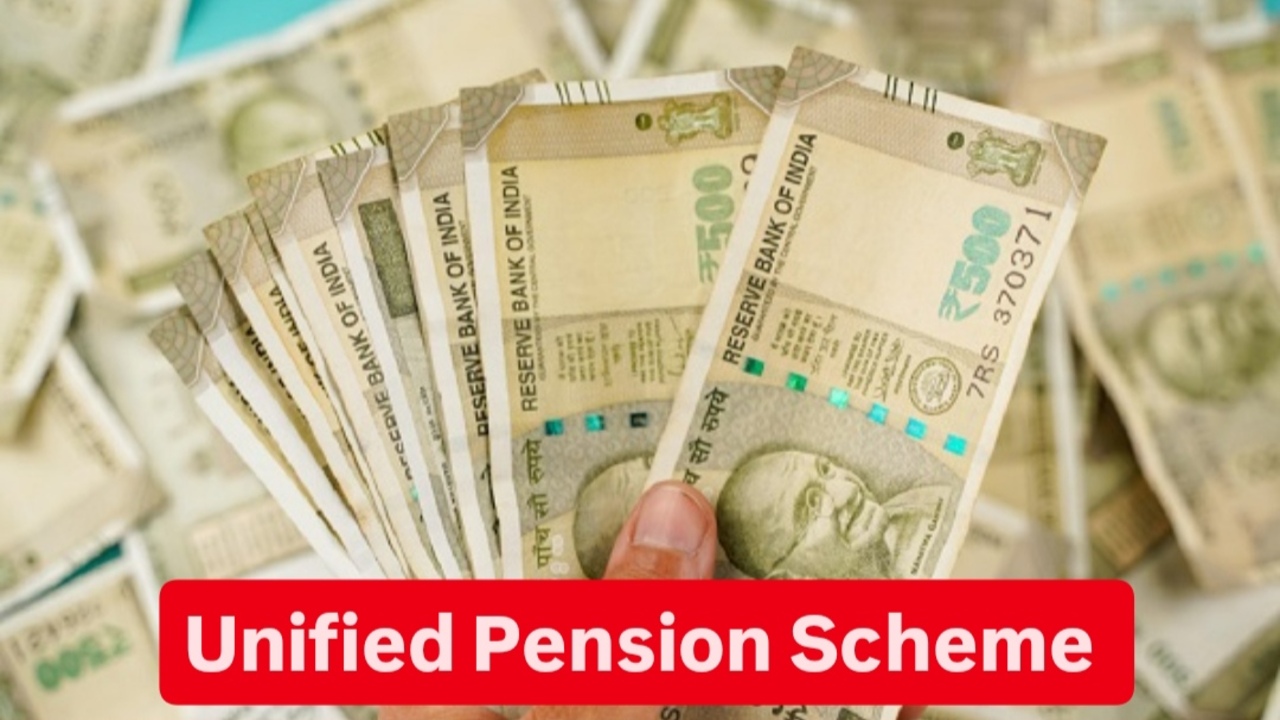
Pension Plan: Individuals engaged in employment typically begin planning for their retirement while still actively working. They proactively invest in pension funds, recognizing the necessity of having a reliable income source post-retirement rather than relying on others. This is the rationale behind the diverse pension schemes available.
Unified Pension Scheme (UPS)
In the context of government employment, there are more options for pension benefits. The Government of India has recently announced the introduction of the Unified Pension Scheme (UPS) for government employees, set to take effect in April 2025.
How UPS will work
Under the UPS, both the employee’s salary and a government contribution will be involved. Specifically, the government will contribute 18.5% of the employee’s basic salary to their permanent retirement account, which will also accrue interest. Government employees will have the flexibility to choose between the National Pension System (NPS) and the UPS. In the UPS, 10% of the employee’s monthly basic salary and dearness allowance will be contributed.
UPS guarantees a pension for government employees
The UPS guarantees a pension for government employees, amounting to 50% of the average basic salary from the last 12 months of service prior to retirement. However, this benefit is available only to those who have completed a minimum of 25 years of service. In the unfortunate event of an employee’s death while in service, their family will receive 60% of the pension that the employee would have been entitled to. Additionally, the scheme includes a provision for a minimum assured pension, ensuring that individuals with at least 10 years of service will receive a monthly pension of no less than Rs 10,000.
Latest News
- How to Replace Siri with ChatGPT on iPhone: Step-by-Step iOS Setup
- Petrol-Diesel Price Today: 24 मई को कितना बदला पेट्रोल-डीजल का भाव, चेक करें 1 लीटर की कीमत

- America Update: व्हाइट हाउस के दरवाजे पर 25 राउंड फायरिंग से मची खलबली, संदिग्ध हमलावर की मौत

- Tata Tiago Facelift Launching Soon – Aggressive Design And High-Tech Cabin Revealed

- LPG Gas Connection Transfer Made Easy, Learn the Complete Process

- New Honda City Facelift 2026 Launched – Sporty Coupe Look And ADAS Safety Revealed

- 8th Pay Commission: केंद्रीय कर्मचारियों की बढ़ेगी बंपर सैलरी! आयोग ने उठाया यह बड़ा कदम

- China: चीन के कोयला खदान में भयंकर विस्फोट, 90 लोगों की गई जान, पीएम मोदी ने भी जताया दुख

- Weather warning – Heavy Rain, thunderstorms, lightning Alerts for 13 States Over Next 3 Days

- UP TGT Exam City Slip 2026 Released – Download at upessc.up.gov.in, Exam June 3-4