
Transferring your RC after selling your vehicle is easy, learn the process
Vehicle RC Transfer: Many times, people take the RC transfer process lightly after selling their vehicle. Even after the sale, the vehicle remains in their name. This can be a major risk. If the buyer misuses the vehicle or receives a challan, you will be

 Join Us
 Add as a preferred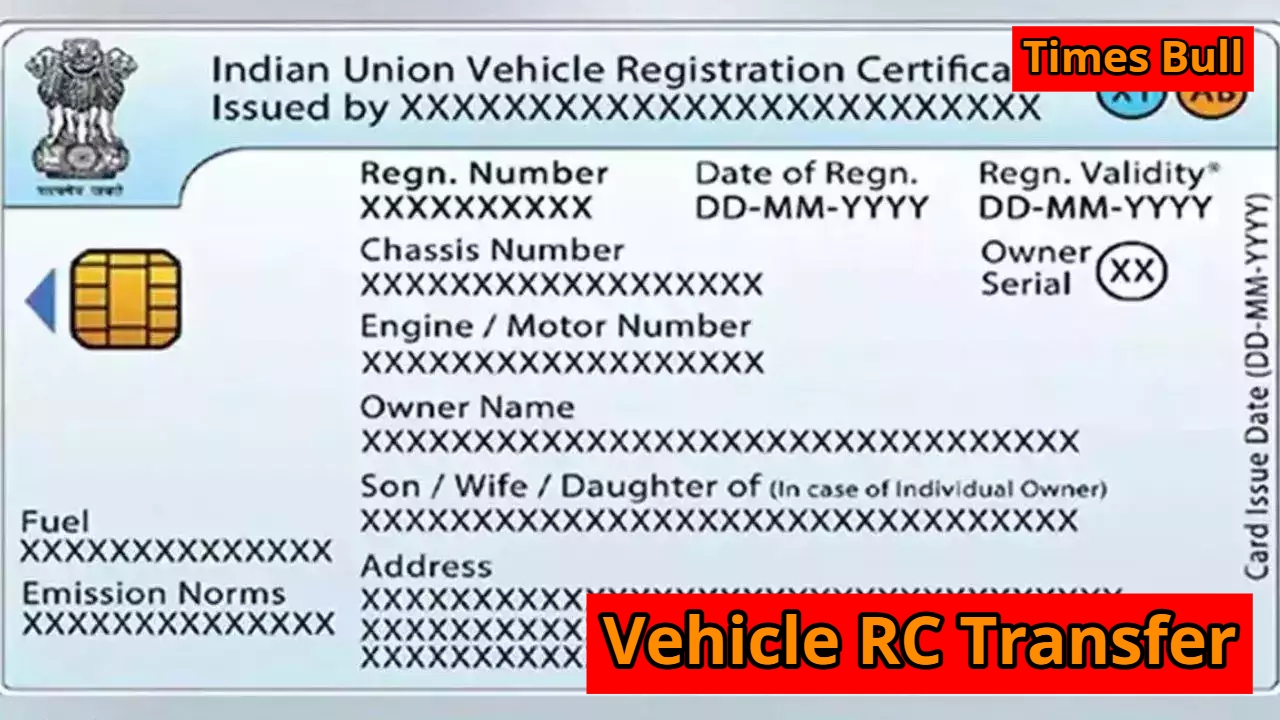
Vehicle RC Transfer
Vehicle RC Transfer: Many times, people take the RC transfer process lightly after selling their vehicle. Even after the sale, the vehicle remains in their name. This can be a major risk. If the buyer misuses the vehicle or receives a challan, you will be responsible.
In such circumstances, transferring the RC is crucial. First, prepare a sales letter between you and the buyer. This is a written document. It contains the date of sale, the price, and both parties’ signatures. This will protect you from any blame in the event of an untoward incident.
What to do for RC Transfer
To initiate the RC transfer process, the buyer must fill out Form 29 and Form 30. These forms are downloadable from the RTO website. They contain all the vehicle’s information, including the chassis number, engine number, and details of both parties.
Once the form is completed, it must be signed by both you and the buyer. The buyer then submits the required documents to the RTO. These include your old RC, a copy of the insurance, a sale letter, a pollution certificate, Aadhaar or ID cards for both parties, and a passport photo.
If the vehicle was purchased on a loan, a NOC is also required. Submitting all the documents on the correct date simplifies the process. After this, a transfer fee must be paid to the RTO. This fee depends on the type of vehicle.
Once the fee is paid, the vehicle may be inspected, especially if the RTO deems it necessary. An inspection officer verifies all documents, including the engine number and chassis number. After all the formalities are completed, the file is sent for processing.
After the file is processed, a RC is generated in the name of the buyer from the RTO. This card is sent by post to the buyer’s address, or they can pick it up in person at the RTO office. Until a new RC is issued, you should keep the transfer application receipt. This serves as proof that the vehicle is no longer in your name.
Adarsh
Next Article
Railway Update: सरकार ने रेलवे कर्मचारियों को दी बड़ी सौगात, सैलरी में होगी बंपर बढ़ोतरी
केंद्र सरकार (central employee) ने कुछ दिन पहले केंद्रीय कर्मचारियों (central employee) के डीए में बढ़ोतरी (da hike) कर बड़ा तोहफा दिया था. लेकिन इस बीच एक और गुड न्यूज़ मिली है. केंद्र सरकार (central government) ने अब रेलवे कर्मचारियों को लेकर बड़ा चौंकाने वाला फैसला लिया है.


DA Hike Update: केंद्र सरकार (central employee) ने कुछ दिन पहले केंद्रीय कर्मचारियों (central employee) के डीए में बढ़ोतरी (da hike) कर बड़ा तोहफा दिया था. लेकिन इस बीच एक और गुड न्यूज़ मिली है. केंद्र सरकार (central government) ने अब रेलवे कर्मचारियों को लेकर बड़ा चौंकाने वाला फैसला लिया है. इंडियन रेलवे (Indian Railways) की तरफ से अपने कर्मचारियों और पेंशनर्स के लिए डीए और डीआर (da and dr) में 2 फीसदी की बढ़ोतरी कर दी है.
यह बढ़ोतरी 1 जनवरी 2026 से लागू मानी जाएगी, जिसका बड़े स्तर पर फायदा देखने को मिलेगा. रेलवे कर्मचारियों का भत्ता वेतन का 58 फीसदी से बढ़कर 60 फीसदी तक हो जाएगा. जनवरी और फरवरी, मार्च अप्रैल महीन का एरियर बनकर मई की सैलरी कर्मचारियों के अकाउंट में ट्रांसफर की जाएगी.
Write a Comment