
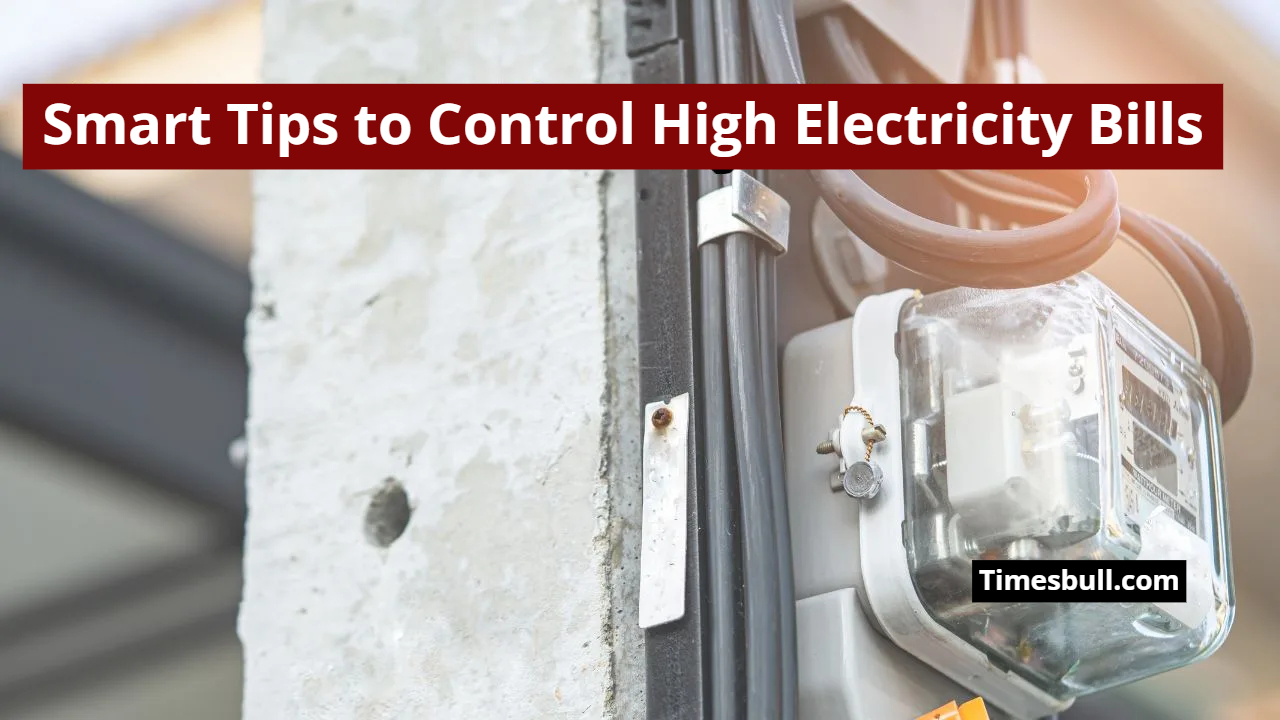
As December arrives, the cold intensifies, and the use of geysers and room heaters increases rapidly in homes. People often keep them running for extended periods, especially in the mornings and evenings. This is why electricity bills suddenly surge during the winter months. The real problem lies not so much in the use of these appliances, but in their improper use.
Control Electricity with Smart Timers
Nowadays, modern geysers and heaters are available in the market with timer and auto cut-off features. These features allow you to automatically switch off the device after a set time. Many smart models can also be controlled via mobile apps, making it easy to switch off the device when not needed. This prevents unnecessary electricity consumption and keeps the bill under control.
Why Proper Use of the Thermostat is Important
Most geysers have a built-in thermostat, but many people are unaware of the correct temperature setting. A temperature of 50 to 55 degrees Celsius is considered sufficient for a geyser. Setting a higher temperature heats the water more than necessary, leading to a rapid increase in electricity consumption. Running the geyser at the correct temperature provides comfort and saves electricity.
What to Look for When Buying a New Geyser or Heater
If you are planning to buy a new geyser or room heater, don’t just consider the price, but also check its BEE star rating. Appliances with higher star ratings may be slightly more expensive initially, but in the long run, they save you money by consuming less electricity. Appliances with lower star ratings may seem cheaper, but they consume more electricity.
Change Your Usage Habits
When using a room heater, it is crucial to keep the doors and windows of the room closed to prevent the warm air from escaping. Similarly, you should avoid the habit of leaving the geyser on for hours. Using the appliance only when needed and switching it off immediately after use is the easiest way to save electricity. These small precautions can save you from hefty electricity bills in the winter.
Latest News
- US Green Card Rule Change, Know Before Apply

- PM Surya Ghar Scheme: खूब चलाएं एसी और कूलर, नहीं देना होगा बिल, जल्द कराएं यह काम
- ITR Filing Before May 31? You May Get Notice

- Women Free Bus Travel Scheme – How to Get Free Bus Travel From June 1, 2026? How to Apply

- LSG Vs PBKS Video: ऋषभ पंत पर भड़के अर्जुन तेंदुलकर! वीडियो देखकर आप भी रह जाएंगे हैरान

- Apple MacBook Neo Deal Alert: Get It For Under ₹58,000 on Amazon Right Now

- Pakistan Attack: आत्मघाती हमले से दहला पाकिस्तान, 23 लोगों की मौत, 50 से ज्यादा घायल, जानें

- Honor Magic 9 Series Leaks: Flagship Upgrades with Massive 8,000mAh Battery and 200MP Cameras

- Motorola Edge 60 Fusion Review: Mid-Range King or Outdated?

- FD Update– Breaking Your FD Early? Know the consequences