
The promoters’ stake in companies listed in the Indian stock market cannot exceed 75%, but the government has a much higher stake than this limit in LIC and many government banks. Now, according to a new report, the government is preparing to sell its stake in these companies. This move will not only strengthen the financial position of the government, but can also bring changes in the functioning of these institutions. If you are a customer of LIC or have an account in these government banks, then this news is very important for you. Let’s know about this in detail.
Why is the stake being sold

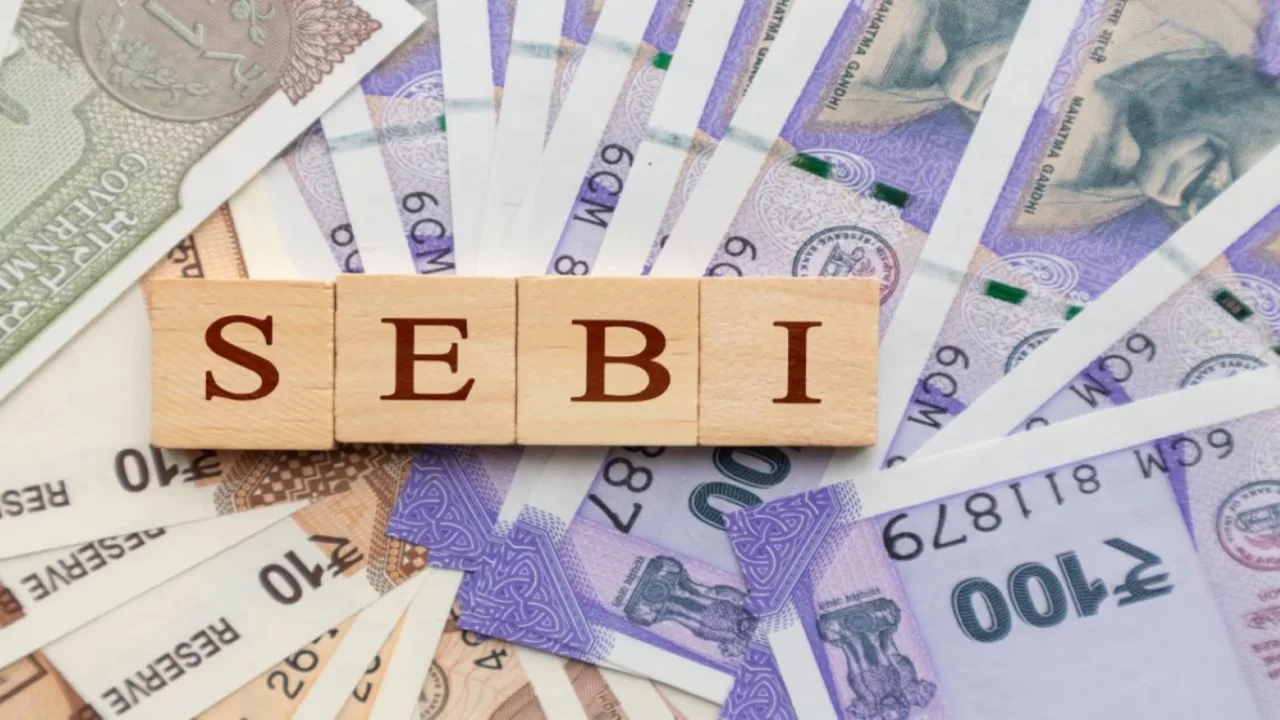
This decision of the government is to fulfill the rules of SEBI. According to SEBI rules, at least 25% of the shares in any listed company should be held by the public. Currently, the government’s stake in LIC is 96.5%. The government has to reduce it to 75% by May 2027. Similarly, the government’s stake in many government banks is also more than 75%. The government has to reduce its stake in these banks by August 2026.
In which government banks will the stake be sold
The government has included many government banks in the list of this sale.
- Indian Overseas Bank 94.61%
- UCO Bank 90.95%
- Punjab & Sind Bank 93.85%
- Central Bank of India 89.27%
- Bank of Maharashtra 79.60%
Of these, only Bank of Maharashtra can meet this deadline, while the rest of the banks can ask for an extension of time.
What will be the impact on customers
The sale of the stake is not expected to have a direct impact on customers, but there may be some changes. Even the reduction in the government’s stake in LIC will not affect the security of policyholders. The government will take responsibility for its policies as always. Selling stake will increase the interest of private investors in these banks, which can bring transparency and efficiency in their functioning.
Recently, public sector banks have performed brilliantly. Their total profit in the June quarter was ₹44,218 crore, which is 11% higher than last year. This shows that these banks are becoming financially strong. This decision of the government can make these government institutions even more competitive and efficient, which will ultimately lead to better services to the customers.
Latest News
- Vivo Y600 Turbo Set to Debut: Featuring a 165Hz Display, Dimensity 8500, and a Massive 9,020mAh Battery

- HMD Vibe 2 5G Debuts in India with 6000mAh Battery & 50MP Camera: Get It For Just ₹9,499 With Launch Offers

- 8th Pay Commission लागू होते ही कितना हो जाएगा फिटमेंट फैक्टर, चेक करें अपडेट

- Oppo Find X9 Ultra Launched in India: Check Reliance Digital Price, Bank Offers, and Flagship Specs

- Electricity Bill Saving– How to Save Power During Summer Heat? Here Are the Few Tips

- Gold-Silver Rate – Gold ₹44,396 per 10 grams & Silver ₹1,85,462 per kg cheaper from the Peak

- US Green Card Rule Change, Know Before Apply

- PM Surya Ghar Scheme: खूब चलाएं एसी और कूलर, नहीं देना होगा बिल, जल्द कराएं यह काम

- ITR Filing Before May 31? You May Get Notice

- Women Free Bus Travel Scheme – How to Get Free Bus Travel From June 1, 2026? How to Apply