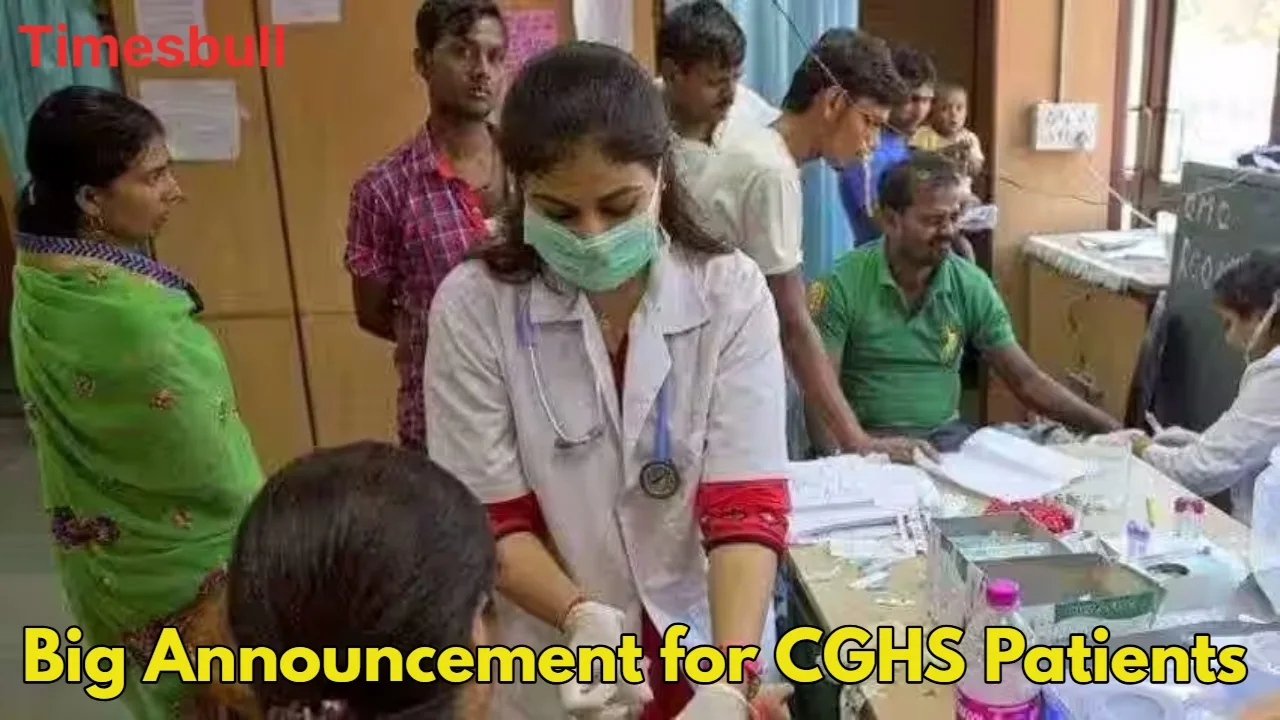
The Central Government Health Scheme (CGHS) is like a lifeline for central employees and pensioners. In the last ten years, this scheme has undergone many major changes, especially during the Seventh Pay Commission (2016-2025). The government has constantly tried to make it digital and easy. Now that the discussion of the implementation of the Eighth Pay Commission is in full swing, the biggest question is whether CGHS will be abolished and a new insurance-based scheme will be introduced.
Major reforms in CGHS in the last 10 years
CGHS has modernized itself in the last decade. Take a look at some of the recent reforms:
Eligibility for general, semi-private, and private wards in private hospitals is now fixed according to the basic salary of the employees. An attempt was made to link the CGHS card to the Ayushman Bharat Health Account (ABHA), making it easier to create a digital identity.

Now treatment can be done in government hospitals without referral. In private hospitals, the facility of consultation with three specialists has been provided on a single referral. The age limit for referral for senior citizens has been increased to 70 years.
New CGHS rules implemented in 2025
This year proved to be revolutionary for CGHS. Many important steps were taken to make it completely digital.
Now the process of online approval for medical devices like CPAP, BiPAP, and oxygen concentrators has started. The payment system has been changed, and a new HMIS portal has been implemented. Now all payments will be made from this portal.
MyCGHS was launched, which provides facilities like card transfer and adding dependents. Now the patient’s photo will be taken only at the time of admission and discharge. The process of providing physiotherapy services at home has started. Approval of medical devices is now done in 5 days, and information about the status of the application is received through SMS and email.
What are CGHS’s expectations from the 8th Pay Commission
The 8th Pay Commission has been announced, but the Terms of Reference (ToR) and the appointment of the chairman and members are yet to be made. In such a situation, changes in the salaries of employees and pensioners will be seen only by 2028. However, it is a matter of relief that even though the date of implementation of the 8th Pay Commission is delayed, it will be considered effective from January 1, 2026.
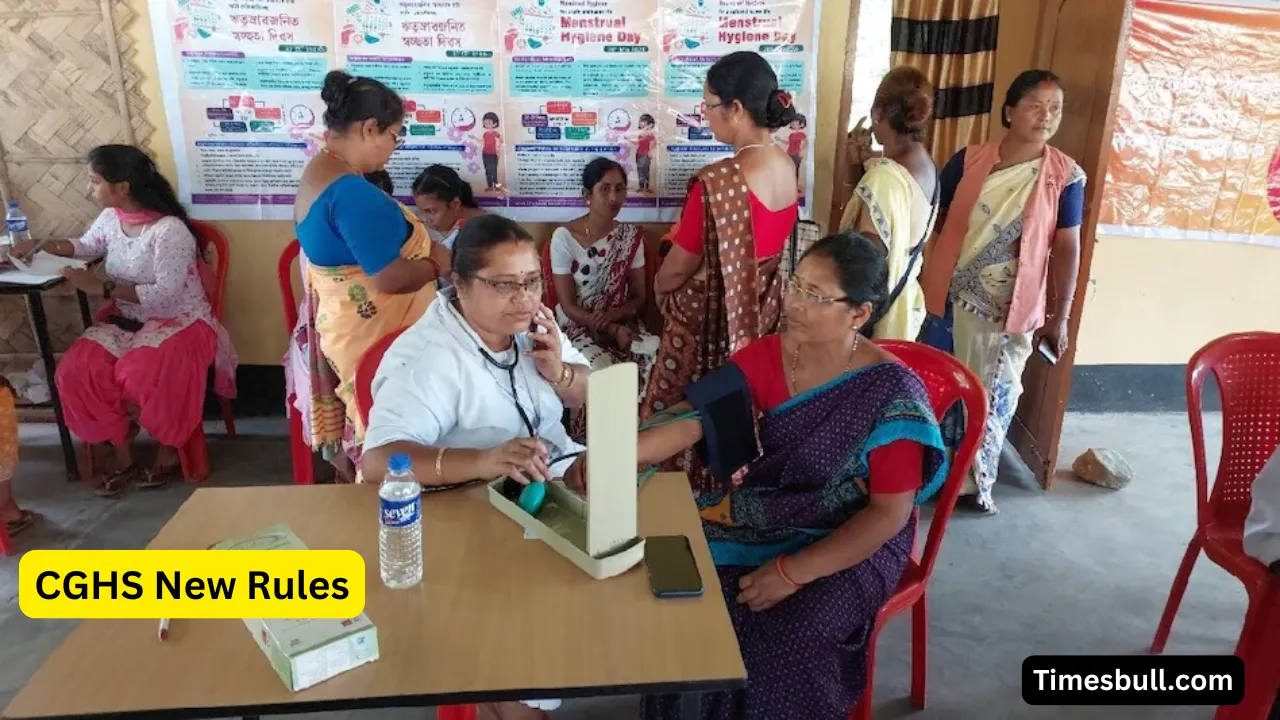
Meanwhile, there is also a discussion that a new insurance-based scheme, i.e., CGEPHIS, can be brought in place of CGHS, which will make health services more advanced. Employees are demanding that till the new scheme is implemented, CS(MA) and ECHS hospitals should also be included in CGHS.
In the last ten years, CGHS has become quite modern and digital-friendly. Especially the changes made in 2025 have made it even more transparent and faster. Now all eyes are on the Eighth Pay Commission, which is expected to not only increase salaries and pensions but may also expand the scope of health services.
Latest News
- Weather warning – Heavy Rain, thunderstorms, lightning Alerts for 13 States Over Next 3 Days

- UP TGT Exam City Slip 2026 Released – Download at upessc.up.gov.in, Exam June 3-4

- ATM Alert: एटीएम में फंस जाए डेबिट कार्ड तो घबराएं नहीं, फटाफट यह काम करने से होगा समाधान

- Post Office Scheme – 7.5% Interest Rate, ₹5 Lakh Becomes ₹7,24,974 in 5 Years, Start with Just ₹1,000

- Best AI Video Editing Laptops Under 60,000 INR: Top Picks Her

- Best CNG Cars: पेट्रोल के बढ़ते दाम के बीच ये सीएनजी गाड़ी खरीदकर खर्च करें कम, माइलेज भी जबरदस्त

- Samsung Stable One UI 8.5 Update to Galaxy Tab S10 FE and Tab S10 FE+

- बुढ़ापे की लाठी बनेंगी ये तीन स्कीम्स, निवेश से पहले जानिए कितना मिल रहा ब्याज

- OnePlus Nord CE 6 vs Samsung Galaxy A57: Which Mid-Range 5G Phone Wins?

- Lenovo LOQ 15 Gen 11 Review: Best Budget Gaming Laptop?