
The Reserve Bank of India (RBI) has taken a big and important step to make the loan process more flexible for farmers and micro, small, and medium enterprises (MSMEs). RBI has clarified that now banks can accept gold and silver as collateral for agriculture and MSME loans. RBI further said that if farmers or MSMEs offer gold or silver of their own free will, without any collateral-free limit, then banks should accept it. The central bank stressed that this move does not violate the existing guidelines for giving loans without collateral to agriculture and MSMEs. This decision will prove to be a big boost for the rural economy and small businesses.
Which banks will apply to this rule
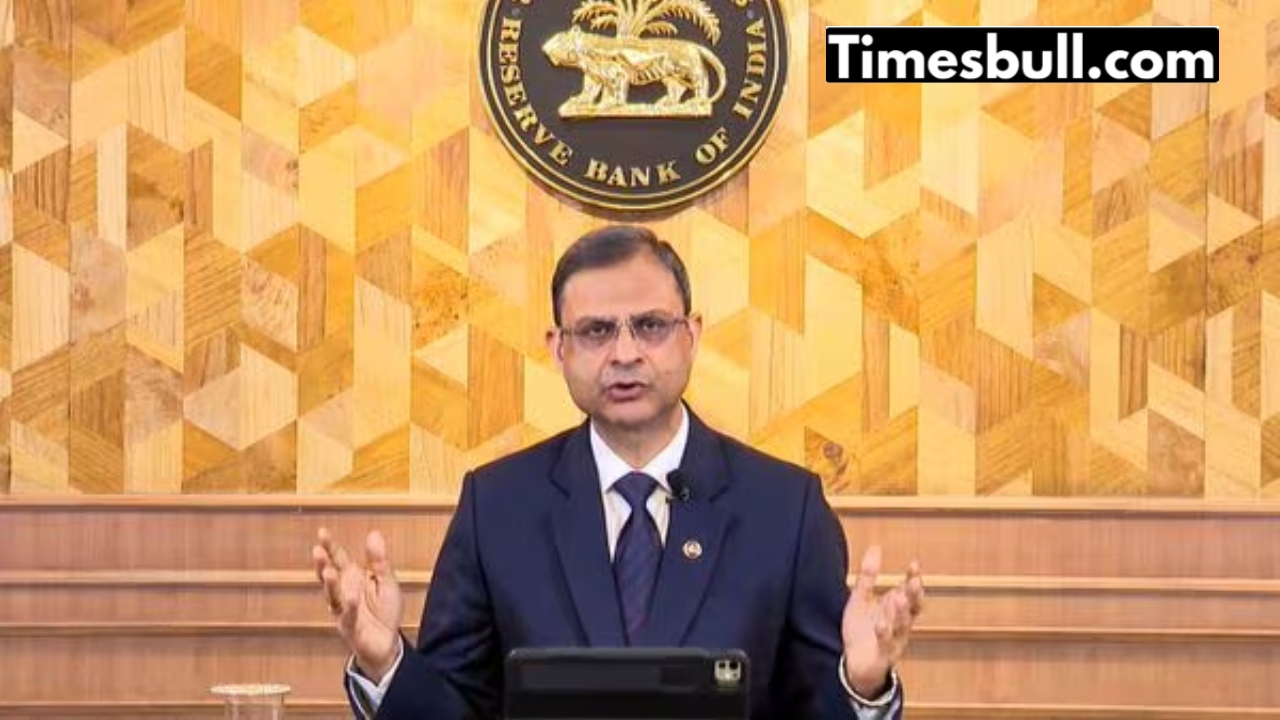
This new rule of the RBI will apply to a large part of the country’s banking sector, so that more and more people will be able to benefit from it:
Scheduled Commercial Banks
Regional Rural Banks
Small Finance Banks
State Cooperative Banks
District Central Cooperative Banks
However, it is important to note that the guidelines for loans without pledge do not apply to Regional Rural Banks and Cooperative Banks, but they can still pledge gold and silver voluntarily given.
Solution to the challenges of the credit report
In another important initiative, the RBI has talked about finding a solution as soon as possible to the persistent challenges in the accuracy and duplication of credit data. For this, the central bank has emphasized a unique borrower identification in the financial system. This step will make the loan lending process more transparent and efficient.
At the TransUnion CIBIL Credit Conference, RBI Deputy Governor M. Rajeshwar Rao said that identity standardization remains a big challenge in the country’s credit information system. He said that we have to move towards a unique borrower identification, which is secure and verifiable, and can coordinate with the entire system.

Current status and challenges of credit information companies
Currently, credit information companies (CICs) depend on credit institutions to provide accurate and valid identity information of borrowers. Meanwhile, due to the absence of a unified identifier, instances of data duplication and incorrect reporting continue to pose risks in the credit assessment and decision-making process.
This problem leads to a lack of transparency, and genuine borrowers sometimes face difficulties for no fault of their own. This new focus of the RBI is a welcome step towards solving this problem and building a more robust credit information system.