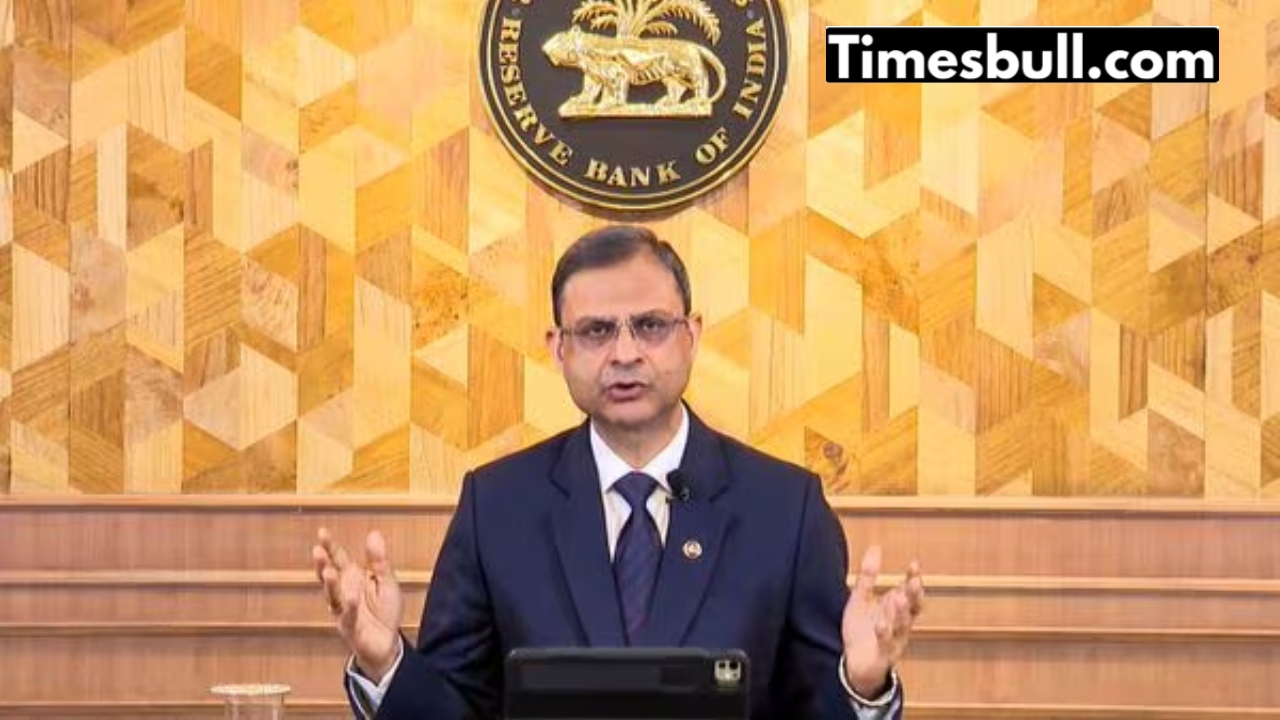
RBI- The Reserve Bank of India (RBI) has issued new guidelines to make digital payments more secure, effective April 1, 2026. These rules now mandate two-factor authentication (2FA) for all digital transactions, including SMS OTP, passwords, PINs, software tokens, fingerprints, or biometrics. This new framework aims to reduce cybercrime, fraud, and online scams by making the digital payment system more secure and reliable.
The RBI has stated that this authentication process must include at least one method that is transaction-specific and unique each time, reducing the likelihood of fraud. Furthermore, behavioral and context-based verification will now be supported using risk-based checks and new technologies. This means that if a transaction is suspicious, the bank or payment provider will seek additional information from the user, such as a biometric scan or token.
Subsequently, banks and payment institutions will also implement risk-based provisions to enhance security in cross-border transactions, such as card-not-present (CNP). This move will bring the Indian digital payments industry closer to global security standards, providing greater security and convenience to consumers.
This move was necessary given the growing adoption of digital payments and concerns about cybercrime. Digital fraud has risen sharply in India in recent years, so this new RBI rule adds a stronger layer of protection for consumers. Payment service providers will also be required to update their systems to meet technical and security standards to maintain public trust.
This change will not only strengthen India’s digital payments ecosystem but also protect consumers’ hard-earned money. Digital transactions will now be more convenient, faster, and reliable, taking the country a major step towards a cashless and digital India.
Latest News
- Weather Warning Delhi-NCR – Rain Alert & Dust Storm in Next 2-3 Hours, IMD Issues Yellow Alert

- PM Kisan Samman Nidhi Yojana: नहीं मिल रही 2000 रुपये की किस्त तो किसान तुरंत करवा लें यह काम

- Aadhaar Card Update Rules – How Many Times Can You Change Address, DOB & Number?

- Train Ticket: How to book a confirmed train ticket without an agent? Learn the Easy Steps

- Indian Railways– 155 Trains Express Declared High-Speed, Thousands of Railway Staff to Benefit

- Monsoon Alert – Warning Heavy to Very Heavy Rain alert & thunderstorms in 22 States Over Next 4 Days

- America-Iran War: मिडिल ईस्ट में तनाव होगा खत्म! ईरान ने होर्मुज रास्ते पर कही बड़ी बात

- PM Surya Ghar Yojana 2026: Get Up to Rs 78,000 Subsidy within 6 Easy Steps, Know Here

- Cheapest Available 5G Smartphones in India Under 10000

- UPSC Prelims Answer Key 2026 – How to Download UPSC Prelims Answer Key at upsc.gov.in