
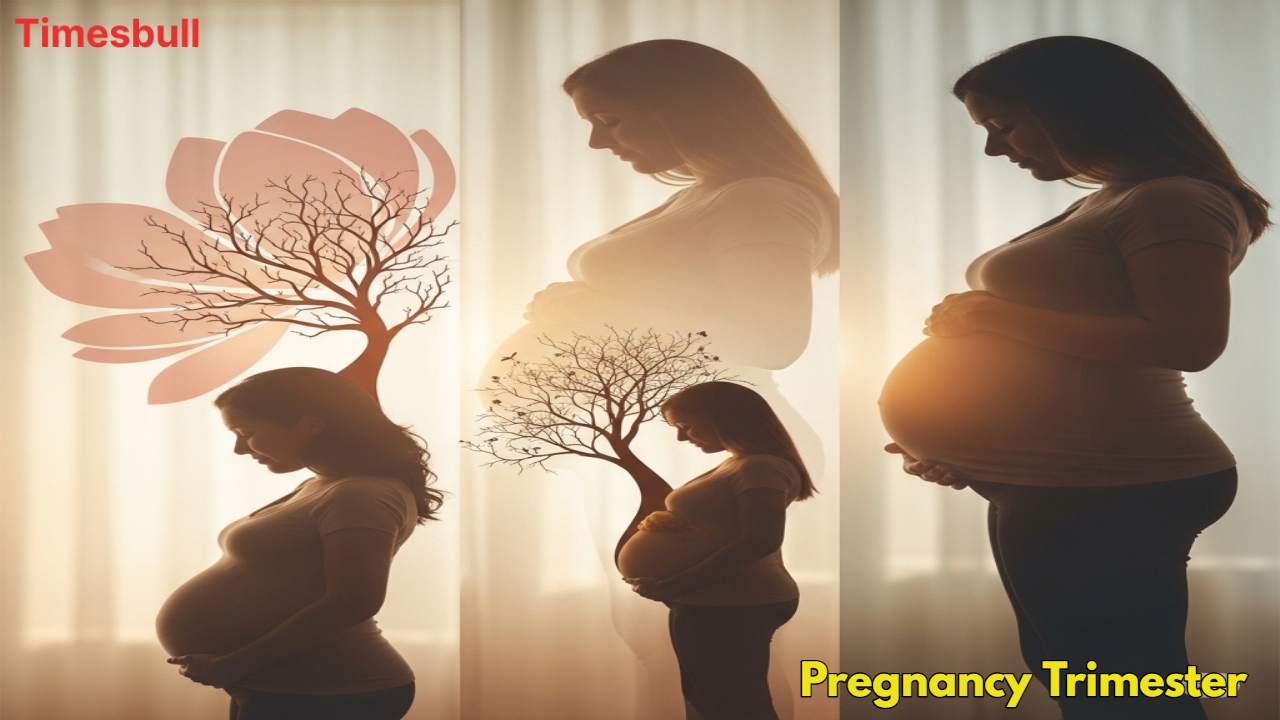
The nine-month journey of pregnancy is no less than a miracle, in which a pregnant woman goes through many physical, emotional, and mental changes. This journey is divided into three stages, which are called the first, second, and third trimesters. Different types of changes occur in the body in each trimester. Let us know in detail how to deal with these changes and how to enjoy this beautiful period to the fullest!
First Trimester (1-12 Weeks)
The first trimester of pregnancy, i.e., from one to 12 weeks, does not see many physical changes in the body, but it is the most sensitive period. During this period, about 25 percent of pregnant women have to face miscarriage, so special caution is required. During this time, many important changes occur in the body:
Fatigue and Hormonal Changes
You may feel unusually tired due to increased levels of the progesterone hormone during pregnancy. This hormone helps maintain pregnancy, but it also slows down metabolism, making it extremely important to rest.
How to deal with it:-

Get a full night’s sleep and take a short nap in the afternoon. Eat fruits and dry fruits for breakfast. Do not be negligent in consuming water and fluids. Adequate hydration is extremely important.
Morning Sickness
Waking up in the morning feeling weak, dizzy, and nauseous is a common problem in the first trimester of pregnancy. This problem is caused by an increase in the level of HCG (Human Chorionic Gonadotropin) hormone.
How to deal with it:-
Eat light and easily digestible food. Eat small amounts at small intervals throughout the day. Avoid drinking tea or coffee on an empty stomach.
Digestive Changes
Due to hormonal changes, the digestive tract slows down a bit, which can also cause problems like bloating, gas, and constipation.
How to deal with it:-
Increase the amount of fiber-rich foods in the diet, such as fruits, light vegetables, and whole grains. Drink plenty of water and stay physically active (light exercise such as walking).
Second Trimester (13-26 Weeks)
In the second trimester of pregnancy, i.e., 13-26 weeks, obvious changes start appearing in the body, but the energy level increases. The problem of morning sickness also reduces, due to which this period is often called the ‘Golden Period’. However, some women may also suffer from ‘Gestational Diabetes’ during this period. During this time, the following changes occur in the body.
Weight Gain and Changes in Body Shape
Weight starts increasing continuously in the second trimester. The stomach starts expanding due to the increase in the size of the uterus.
How to deal with:-
Eat nutritious and balanced food. Start light pre-pregnancy exercises like walking, stretching, or pre-pregnancy yoga to stay active and control weight.
Changes in Skin
During this time, a dark line (Linea Nigra) below the stomach, pigmentation on the face (Melasma), or stretch marks on the stomach may appear.
How to deal with:-
Use fragrance-free moisturizer to reduce dryness and itching. For melasma, apply sunscreen and avoid going out in direct sunlight.
Back Pain and Posture Changes
The growing size of the belly changes your center of gravity, and the hormone relaxin loosens the joints, which can cause back pain.
How to deal with it:-
Maintain a good posture. Wear shoes that support your feet. Get a prenatal massage, which relaxes the muscles. Prepare an exercise plan according to your body’s needs (consult a doctor).
Third Trimester (27-40 Weeks)
Physical changes are at their peak during the third trimester of pregnancy, i.e., 27-40 weeks. This is the time when a pregnant woman’s body is fully preparing itself for childbirth and breastfeeding. The following major changes occur in the body during this time.

Shortness of Breath and Heartburn
The growing uterus puts pressure on the diaphragm, which can cause shortness of breath. Heartburn is also common due to hormonal changes.
How to deal with it:-
Eat small meals. Avoid heavy meals before bedtime. Take short breaks several times a day.
Frequent Urination and Pelvic Pressure
The baby’s head moving downward puts pressure on the bladder, causing frequent urination. Pressure is also felt in the pelvis.
How to deal:-
Continue drinking water, but reduce it at night. Do Kegel Exercises, which strengthen the pelvic floor muscles.
Swelling in Feet and Ankles
Swelling in feet and ankles is common due to increased blood volume and hormonal changes in the body.
How to deal:-
Keep your feet elevated. Wear comfortable shoes. Walk regularly so that blood circulation is better.
Sleep Disturbances and Restlessness
A growing belly, frequent urination, and the baby’s movements can cause sleep disturbances.
How to deal with it:-
Sleep on the left side. Drink warm milk or herbal tea before sleeping. Use a pregnancy pillow.
Latest News
- Apple MacBook Neo Deal Alert: Get It For Under ₹58,000 on Amazon Right Now

- Pakistan Attack: आत्मघाती हमले से दहला पाकिस्तान, 23 लोगों की मौत, 50 से ज्यादा घायल, जानें

- Honor Magic 9 Series Leaks: Flagship Upgrades with Massive 8,000mAh Battery and 200MP Cameras

- Motorola Edge 60 Fusion Review: Mid-Range King or Outdated?

- FD Update– Breaking Your FD Early? Know the consequences

- Bank Holiday–RBI Announces Closure of SBI, HDFC and All Banks Next Week, Save the Dates

- Samsung Galaxy S26 Ultra Amazon Deal – Get ₹23,509+ Discount with Bank Offers and Exchange Benefits

- Best Scooters For College Girls 2026 – Perfect Mix Of Mileage, Style And Lightweight Design

- Kodak Matrix QLED Google TV 2026 Series Launched in India Just Under 10,999

- Senior Citizen FD Rates: सीनियर सिटीजन को यहां से मिल रहा बंपर ब्याज, जल्द करें निवेश