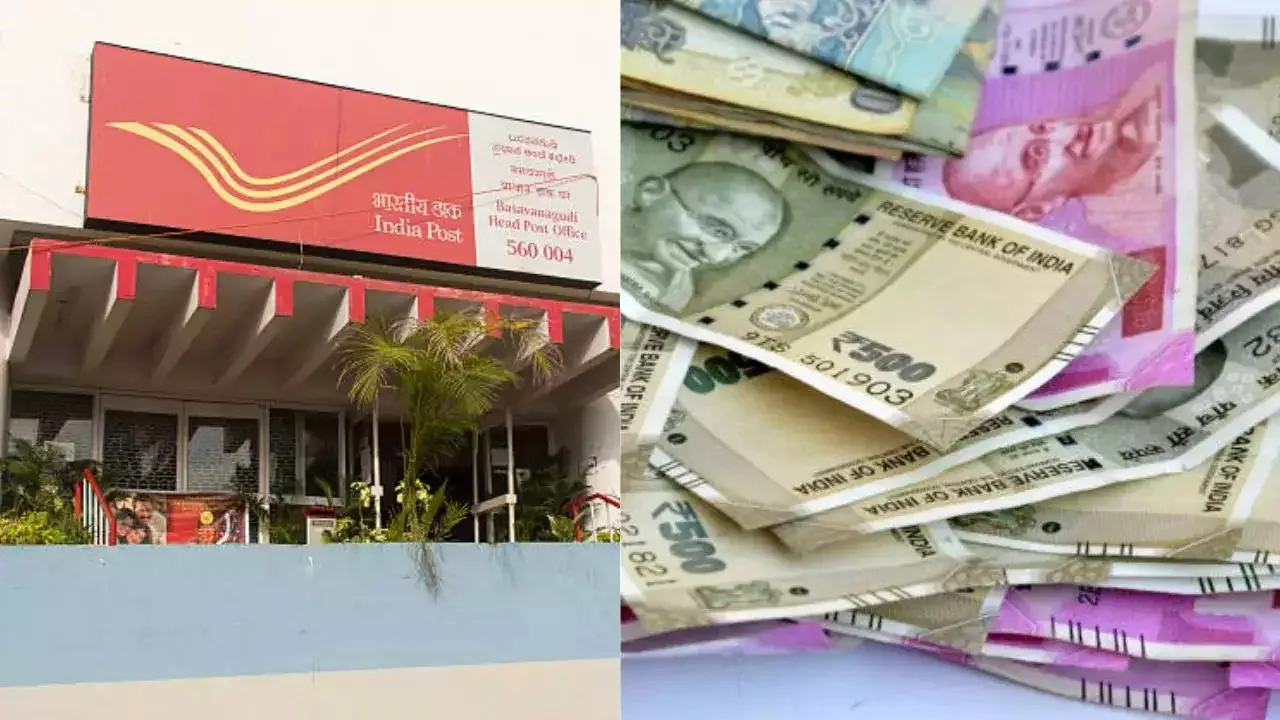
Post Office Scheme: If you’re retired or still want to secure a fixed monthly income, the Post Office Monthly Income Scheme (POMIS) is the best option for you. This scheme not only offers a guaranteed interest rate of 7.4% per annum, but also ensures complete security for your funds.
The good news is that the government hasn’t changed its interest rates for the October-December quarter of the current financial year, meaning you’ll continue to receive an excellent 7.4% return. By investing just once in this scheme, you can earn a fixed monthly income for the next five years.
What is Post Office Monthly Income Scheme?
The National Savings Monthly Income Scheme (NSI ) is a small savings scheme of the Government of India, similar to a bank fixed deposit (FD), but with monthly interest payments. This scheme is specifically designed for senior citizens and those who want regular income on their deposits without any risk .
Highlights of POMIS
The main thing is the details
Interest rate – 7.4% per annum (payable monthly)
Security – No risk of losing money (Government Guarantee)
Tenure – 5 years (full money back on maturity)
Regular Income – Fixed amount every month like pension after retirement.
Suppose you deposit Rs 9 lakh in a single POMIS account, you will earn an annual interest of Rs 66,600. Spread over 12 months, a fixed amount of Rs 5,550 will be credited to your account every month, and this will continue for the next 5 years. Similarly, if someone deposits Rs 15 lakh in a POMIS account, they will earn an annual interest of Rs 111,000. Spread over 12 months, a fixed income of Rs 9,250 will be credited to their account every month, and this will continue for the next 5 years.
POMIS account opening process
- First of all open a savings account in the post office.
- Aadhar and PAN card are mandatory.
- Fill the National Savings Monthly Income Account form.
- Submit the investment amount along with the form in cash or cheque.
Desclaimer: For any financial invest anywhere on your own responsibility, Times Bull will not be responsible for it.