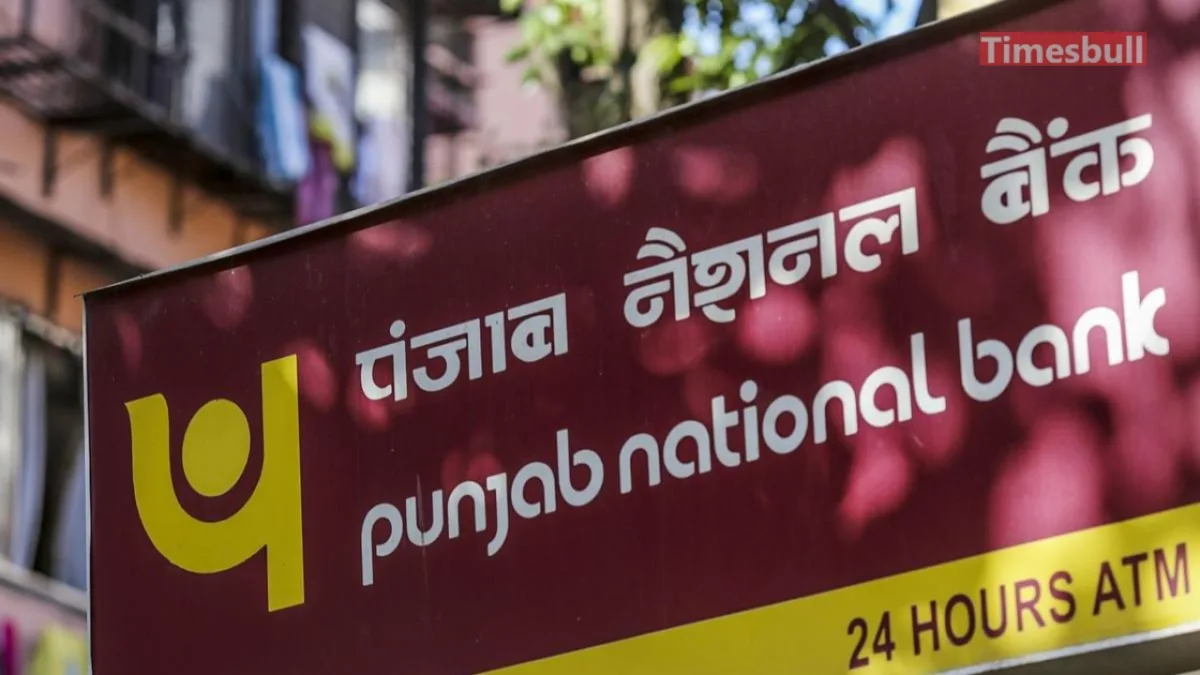
Big news for bank account holder’s. Punjab National Bank (PNB) has jumped on the bandwagon after SBI, announcing a cut of up to 25 basis points in interest rates for retail loans, including home and auto loans. In a recent statement, PNB mentioned that these new rates will apply to various products like home loans, car loans, education loans, and personal loans.
This move means customers can now access loans at more affordable rates. Following the RBI’s decision to lower the repo rate by 25 basis points to 6.25 percent on February 7, several government banks, including SBI and Bank of Baroda, have passed on the benefits of the repo-linked lending rate (RLLR) to their customers.
As for PNB’s new interest rates, home loan rates have been slashed to 8.15 percent, and they’re waiving processing fees and documentation charges until March 31, 2025. Their Traditional Home Loan scheme kicks off at an interest rate of 8.15 percent per annum, with an EMI of Rs 744 per lakh.
For auto loans, whether for new or used vehicles, the interest rate is set at 8.50 percent, with EMIs starting at Rs 1,240 per lakh. To encourage Sustainable Mobility, PNB is offering an extra 0.05 percent rebate. The bank has also lowered the minimum interest rate on Education Loans to 7.85 percent.
Customers can now apply for personal loans up to Rs 20 lakh digitally, without needing to visit a branch or submit paperwork. The new interest rates will take effect from February 10, 2025. Earlier this month, SBI also reduced retail loan rates by 25 basis points in response to the RBI’s repo rate cut.
What’s RLLR all about?
RLLR, or Repo Linked Lending Rate, is basically the interest rate that banks use when lending to their customers. It’s tied directly to the RBI’s repo rate. If you go for a home loan linked to RLLR, your interest rate will go up or down based on changes in the RBI’s repo rate. Most people prefer floating rates for their home loans, which are connected to RLLR. When RLLR drops, banks usually offer customers the choice to either lower their EMI or shorten the loan term.
Latest News
- PM Kisan Samman Nidhi Yojana: नहीं मिल रही 2000 रुपये की किस्त तो किसान तुरंत करवा लें यह काम

- Aadhaar Card Update Rules – How Many Times Can You Change Address, DOB & Number?

- Train Ticket: How to book a confirmed train ticket without an agent? Learn the Easy Steps

- Indian Railways– 155 Trains Express Declared High-Speed, Thousands of Railway Staff to Benefit

- Monsoon Alert – Warning Heavy to Very Heavy Rain alert & thunderstorms in 22 States Over Next 4 Days

- America-Iran War: मिडिल ईस्ट में तनाव होगा खत्म! ईरान ने होर्मुज रास्ते पर कही बड़ी बात

- PM Surya Ghar Yojana 2026: Get Up to Rs 78,000 Subsidy within 6 Easy Steps, Know Here

- Cheapest Available 5G Smartphones in India Under 10000

- UPSC Prelims Answer Key 2026 – How to Download UPSC Prelims Answer Key at upsc.gov.in
- 8th Pay Commission: एनपीएस और पुरानी पेंशन में कौन सी बेहतर, जानिए बड़ा अपडेट