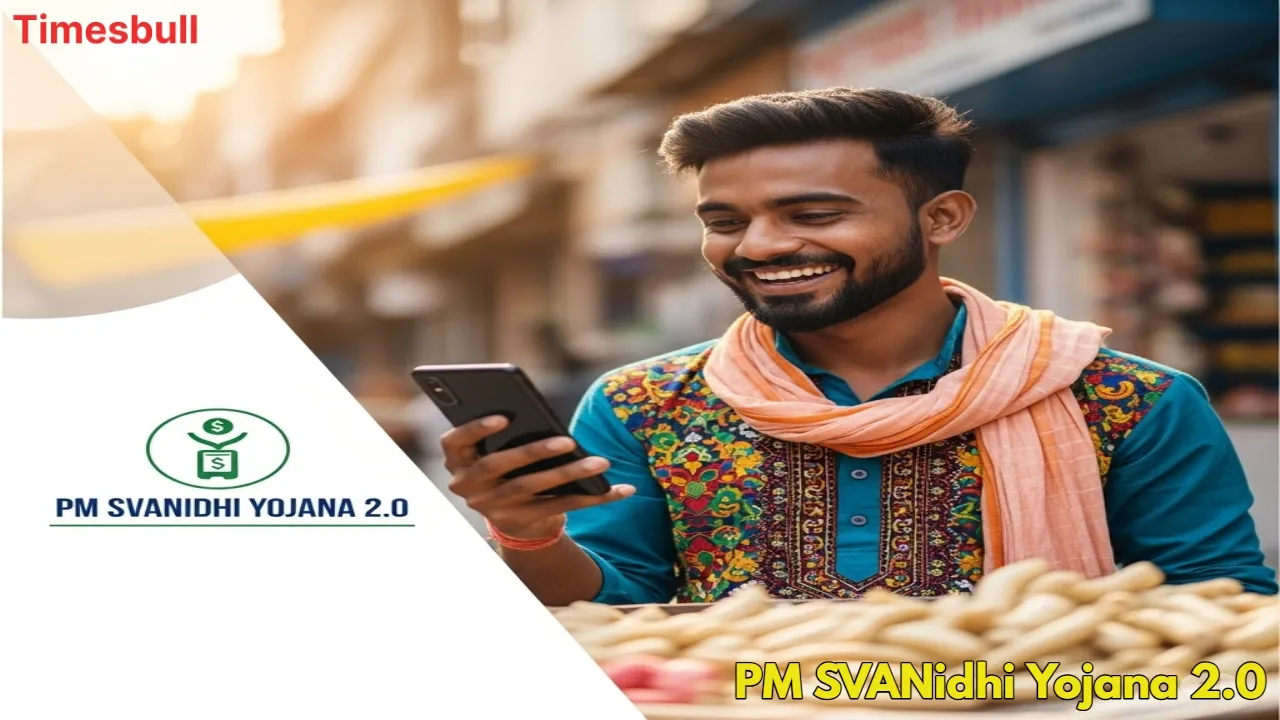
Now, there’s no need to worry about big investments to fulfill your dreams of setting up a small shop or cart. The central government is going to launch PM SVANidhi Yojana 2.0 soon. Under this new scheme, our hardworking street vendors will get a guaranteed loan of up to ₹ 50,000, on which an interest subsidy of 7% per annum will be given. Not only this, they will also get a UPI-linked RuPay Credit Card with a limit of ₹ 30,000. This information was given by official sources on Tuesday, which has brought smiles to the faces of lakhs of small traders.
PM Swanidhi Yojana 1.0
The PM Swanidhi Yojana was first launched when the livelihood of lakhs of street vendors was badly affected due to the COVID-19 pandemic. This scheme aimed to help them restart their business by providing small loans without requiring any collateral. As of 31 March 2025, about 68 lakh vendors have received a total loan of ₹ 13,792 crore under this scheme, which shows its tremendous success.
In the first phase of PM Swanidhi Yojana 1.0, vendors who repaid the loan on time got a discount of 7% per annum on interest and also got cashback of up to ₹ 1,200 on digital transactions. The old scheme ended on 31 March 2025. After this, the government announced in the budget that it will now be brought in a new form, in which better facilities will be provided than before.
PM Swanidhi 2.0 will soon get the green signal
According to government sources, this new scheme will soon get approval from the Expenditure Finance Committee (EFC), and then it will be implemented. When the budgetary expenditure of a scheme is more than ₹ 500 crore, it has to be approved by the EFC, which is headed by the Expenditure Secretary. It is expected that the period of PM Swanidhi Yojana 2.0 will be implemented from 2025 to 2031 (which is the period of the 16th Finance Commission). This scheme will become a long-term support for small traders.
These tremendous benefits will be available in the new scheme
In PM Swanidhi Yojana 2.0, vendors will get many advanced and beneficial facilities. Under the new scheme, interest subsidy will continue to be available on loans up to ₹ 50,000 as before, which will make it easier to repay the loan. A RuPay credit card with a limit of ₹30,000 will also be available, through which vendors will be able to make digital transactions. This will help them join the cashless economy.
Even in the first scheme, if a vendor had repaid the first loan of ₹10,000 on time, he could get a second loan of up to ₹20,000. And on repaying the second one as well, he could get a third loan of up to ₹50,000. Now this facility will continue in a better form. This will help vendors to gradually expand their business. Another major objective of this scheme is to include street vendors, who make a living by selling goods on the street, in the formal economy. This will give them new opportunities to move forward and improve their economic condition.
Backbone of the urban informal economy
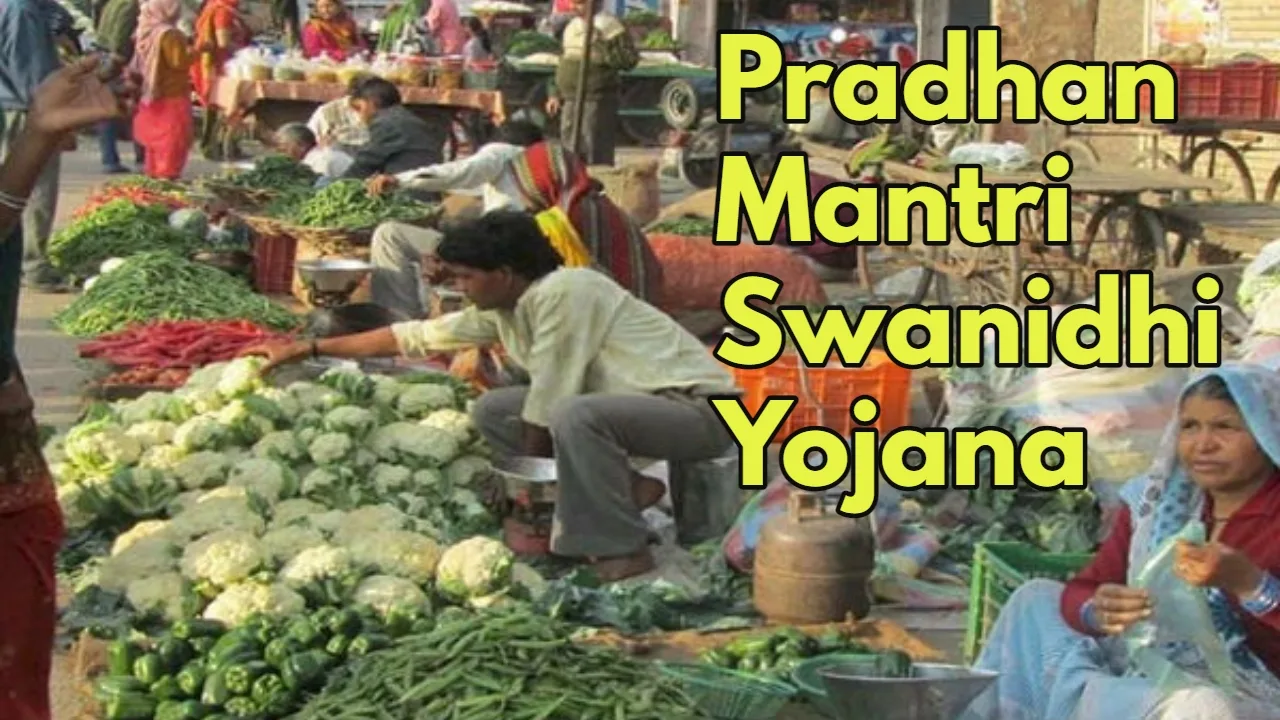
People who sell goods in cities by putting up carts, stalls, or roaming around are a very important part of the urban informal economy. These people work to deliver daily essential goods and services to the general public at affordable prices, to their homes. It is because of them that everyday life becomes easier, especially for the middle and lower classes.
These people are known by names like vendors, thelawala, phadwala, rehriwala, or khomchewala at different places. The goods sold by these people include vegetables, fruits, tea-snacks, pakodas, bread, eggs, clothes, shoes, handicrafts, books, stationery, etc. Apart from this, these people also do service work, such as barber shops, cobblers, paan shops, washermen, etc. All of these together fulfill the daily needs of the city, and without them, urban life seems incomplete.
Latest News
- Weather warning – Heavy Rain, thunderstorms, lightning Alerts for 13 States Over Next 3 Days

- UP TGT Exam City Slip 2026 Released – Download at upessc.up.gov.in, Exam June 3-4

- ATM Alert: एटीएम में फंस जाए डेबिट कार्ड तो घबराएं नहीं, फटाफट यह काम करने से होगा समाधान

- Post Office Scheme – 7.5% Interest Rate, ₹5 Lakh Becomes ₹7,24,974 in 5 Years, Start with Just ₹1,000
- Best AI Video Editing Laptops Under 60,000 INR: Top Picks Her

- Best CNG Cars: पेट्रोल के बढ़ते दाम के बीच ये सीएनजी गाड़ी खरीदकर खर्च करें कम, माइलेज भी जबरदस्त

- Samsung Stable One UI 8.5 Update to Galaxy Tab S10 FE and Tab S10 FE+

- बुढ़ापे की लाठी बनेंगी ये तीन स्कीम्स, निवेश से पहले जानिए कितना मिल रहा ब्याज

- OnePlus Nord CE 6 vs Samsung Galaxy A57: Which Mid-Range 5G Phone Wins?

- Lenovo LOQ 15 Gen 11 Review: Best Budget Gaming Laptop?