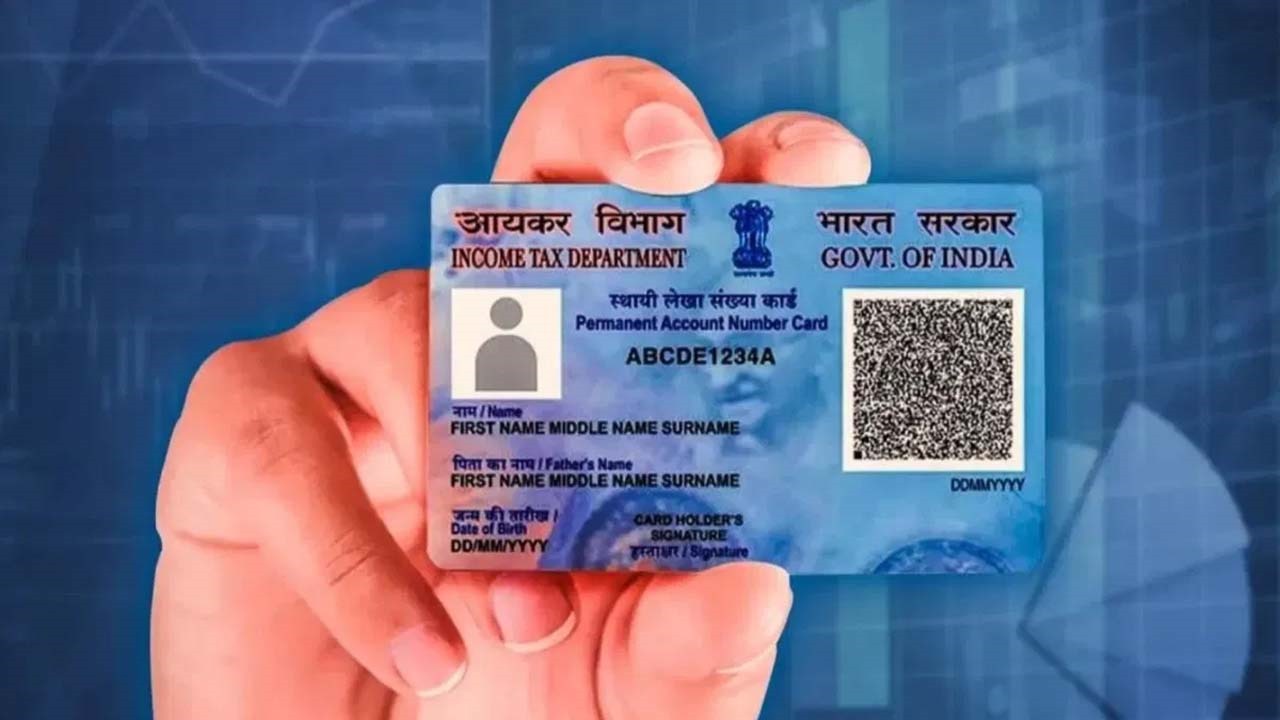
PAN 2.0 Card- If you are also confused between the existing PAN and PAN 2.0 system, then this news is for you. Let us know what is the difference between the existing PAN and PAN 2.0. Let us tell you that the Ministry of Finance has introduced the PAN (Permanent Account Number) system through the PAN 2.0 project in November 2024, which aims to modernize taxpayer services and make them more secure and accessible. PAN 2.0 provides a single unified portal, paperless processing, free e-PAN services and a dynamic QR code that reflects the latest data from the PAN database.
Members of Parliament raised several questions in the Lok Sabha on the PAN 2.0 project and the key differences between the existing PAN card and the upcoming PAN 2.0 version. As per reports on the government’s response on the key differences between PAN 2.0 and the existing PAN and whether existing PAN card holders will be affected in any way.
Lok Sabha MP Saket Gokhale asked the following questions to the government about the PAN 2.0 project. Please explain the difference between the old PAN card with QR code and the new PAN card proposed to be issued under PAN 2.0 project.
The government replied in Parliament that PAN cards issued from 2017 and those issued under the PAN 2.0 project will have a QR code.
However, under the PAN 2.0 project, the QR code will be further improved (dynamic QR code which will show the latest data present in the PAN database). Existing PAN cards will remain valid under PAN 2.0 and there is no need for existing PAN holders to obtain a new PAN card.
The project was approved by the Cabinet Committee on Economic Affairs (CCEA) on 25 November 2024 with a budgetary provision of Rs 1,435 crore. The project is targeted to be completed in one and a half years. The Central Board of Direct Taxes (CBDT) has handed over the ambitious PAN 2.0 project of the Income Tax Department to IT firm LTIMindtree .
Key features of PAN 2.0
The new PAN card will have a QR code that will display updated information of the PAN holder in real time. All PAN/TAN related services such as allotment, correction, Aadhaar linking, verification, and re-issue will now be available on a single digital portal. The entire process will be online, which will have a positive impact on the environment and reduce documentation hassles. With improved cybersecurity, service delivery will be faster and more secure. NRI and OCI cardholders can also apply for e-PAN from any corner of the world.
What will happen to the old PAN card?
The government has clarified that existing PAN cards will remain valid, and it is not mandatory to re-apply for PAN 2.0. However, PAN holders who want to take advantage of new features such as QR code can upgrade to PAN 2.0 for free through the NSDL or UTIITSL portal. There will be no charge if applied within 30 days.
Application Process for PAN 2.0
Visit the NSDL or UTIITSL website.
Fill in PAN, Aadhaar and date of birth details.
Verify through OTP.
The process is free if applied within 30 days; thereafter a fee of ₹8.26 will be charged. e-PAN card will be sent to the registered email within 30 minutes. Visit NSDL/UTIITSL to upgrade old PAN to PAN 2.0 with QR code. The card will be sent to the registered address in 15–20 days.
Latest News
- Apple MacBook Neo Deal Alert: Get It For Under ₹58,000 on Amazon Right Now

- Pakistan Attack: आत्मघाती हमले से दहला पाकिस्तान, 23 लोगों की मौत, 50 से ज्यादा घायल, जानें

- Honor Magic 9 Series Leaks: Flagship Upgrades with Massive 8,000mAh Battery and 200MP Cameras

- Motorola Edge 60 Fusion Review: Mid-Range King or Outdated?

- FD Update– Breaking Your FD Early? Know the consequences

- Bank Holiday–RBI Announces Closure of SBI, HDFC and All Banks Next Week, Save the Dates

- Samsung Galaxy S26 Ultra Amazon Deal – Get ₹23,509+ Discount with Bank Offers and Exchange Benefits

- Best Scooters For College Girls 2026 – Perfect Mix Of Mileage, Style And Lightweight Design

- Kodak Matrix QLED Google TV 2026 Series Launched in India Just Under 10,999

- Senior Citizen FD Rates: सीनियर सिटीजन को यहां से मिल रहा बंपर ब्याज, जल्द करें निवेश