Category: Business

Stay ahead of the curve in India’s dynamic financial landscape with Timesbull. We deliver real-time updates and in-depth analysis on Indian business, finance, and the stock markets. Get the latest BSE/NSE news, ensuring you’re always informed about market movements.

Track the pulse of the Indian economy with our comprehensive coverage of Sensex and Nifty updates. Timesbull provides crucial personal finance insights to help you manage your money effectively and make informed investment decisions.

Beyond breaking news, we offer expert market analysis and insightful perspectives on economic trends shaping India and the global economy. Whether you’re a seasoned investor, business professional, or just starting to manage your finances, Timesbull is your trusted source.

Rely on Timesbull for accurate, timely, and insightful business and finance news, empowering you to navigate the complexities of the Indian market with confidence. Visit Timesbull today to unlock your financial potential.

  • EPFO – How much PF can be withdrawn via ATM and UPI? Learn the new rule

    EPFO – How much PF can be withdrawn via ATM and UPI? Learn the new rule

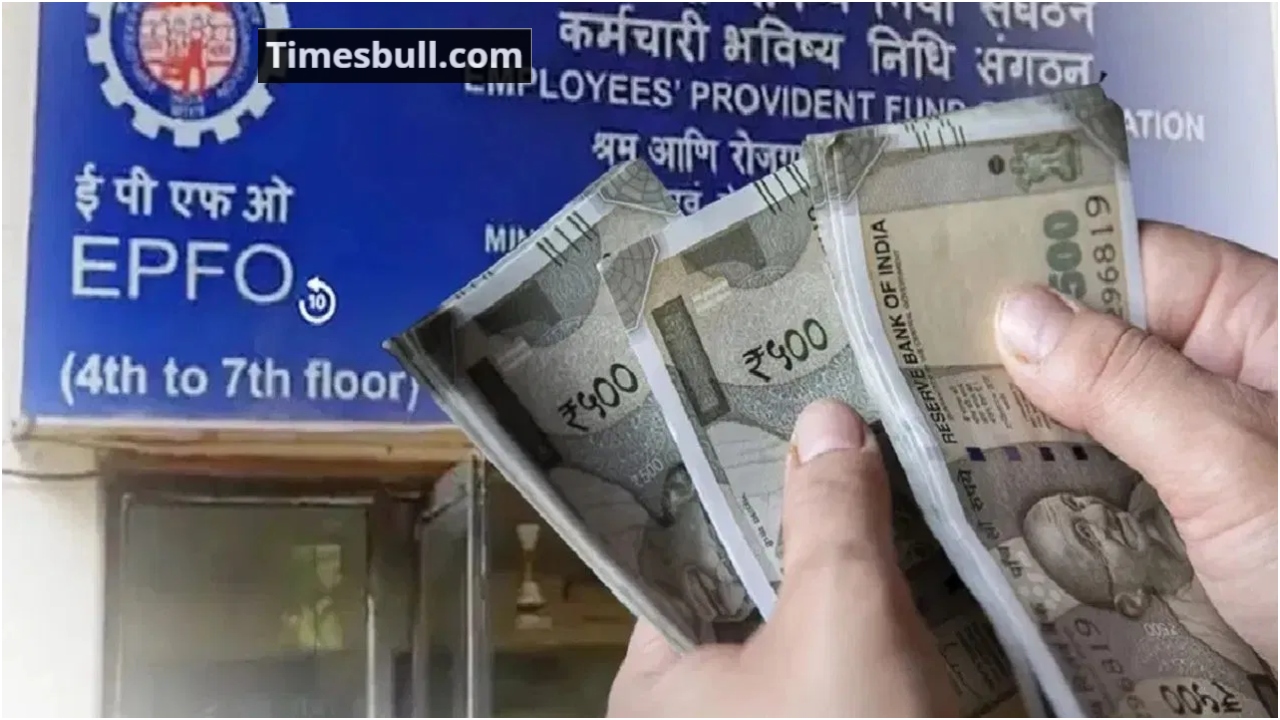
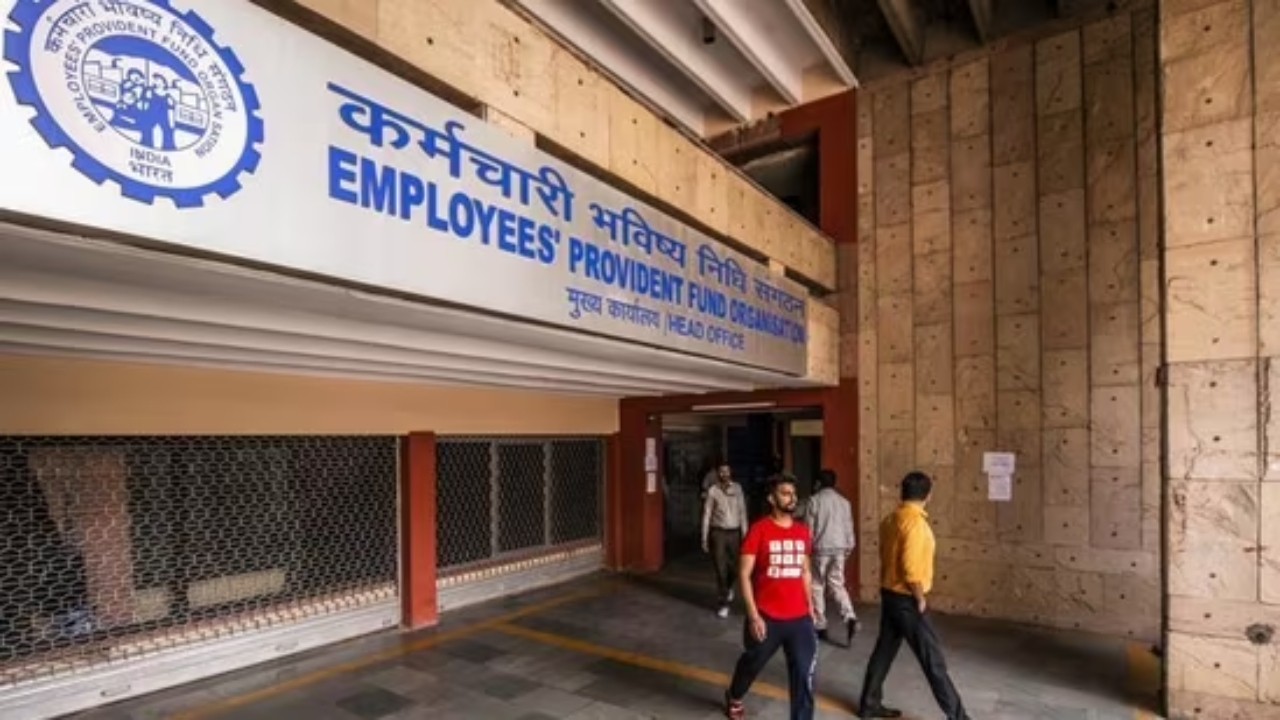
    EPFO Update – The Employees’ Provident Fund Organisation (EPFO) is soon going to introduce a facility for PF subscribers to withdraw funds using UPI and ATMs. The Ministry of Labour and Employment has fully geared up for this. The facility for withdrawing money through ATMs and UPI is expected to be launched in February.

    This will eliminate the need to fill out claim forms for PF withdrawals. Employees will be able to withdraw money easily in case of emergencies using ATMs and UPI. This raises the question of how much fund employees will be allowed to withdraw. Union Minister Mansukh Mandaviya himself shared this information. You can understand everything he said in detail in the article below.

    Government Provides Important Information

    Union Minister of Labour and Employment, Mansukh Mandaviya, informed that the government already allows withdrawal of 75 per cent of the EPF amount. But now this facility is being made even easier. For this, the government will link your PF account with ATMs and UPI.

    The Union Minister said that the money belongs to the EPF member, but the current system requires filling out several forms. This causes inconvenience to people. Now, there will be no need to fill out forms. The amount can be easily withdrawn by going to an ATM. The digital system will make it easier to withdraw money from the EPF account. EPFO ​​has already made changes to the withdrawal rules.

    PF Withdrawal Will Be Even Simpler

    Currently, withdrawing money from EPF requires an online portal, forms, and sometimes even permission from the company. This also causes delays for PF subscribers. The government wants PF withdrawals to be as easy as people using money from their bank accounts.

    For this, the facility of withdrawal through UPI and ATMs will be introduced. This facility will be launched before March. Once the facility is launched, employees will not have to visit their employer or the EPFO ​​office.

    This new facility is considered part of the reforms made in October 2025. Earlier, there were 13 different categories for PF withdrawals. This created confusion and even led to applications being rejected. But this will not happen now.
  • 8th Pay Commission Update: 12-Month Delay Could Bring ₹6 Lakh Arrears for Central Employees

    8th Pay Commission Update: 12-Month Delay Could Bring ₹6 Lakh Arrears for Central Employees

    Millions of central government employees and pensioners across the country are now eyeing the 8th Pay Commission. Amid backbreaking inflation, expensive children’s education, and rising medical expenses, every employee is hoping for a significant increase in their salary. However, the biggest debate is about the amount of arrears that will be due if the government delays its implementation by 12 months.

    January 1, 2026, is generally considered a possible date, but no official government approval has yet been issued. If the implementation is delayed, employees could face a large lump sum. In this special article, we will examine the history of previous pay commissions and how much money you will have in your pocket based on the new fitment factor.

    A 12-month delay and arrears of lakhs

    8th pay commission
    8th pay commission

    The biggest question among employees is how they will receive their 12-month arrears if the 8th Pay Commission is implemented on January 1, 2027, instead of January 1, 2026. According to the rules, if the effective date remains January 1, 2026, they are guaranteed to receive arrears for the entire year. The simple formula is to multiply the difference between your new revised monthly salary and the old monthly salary by the number of months the delay occurred.

    For example, if an employee’s salary increases by ₹50,000 per month after the fitment factor, the 12-month arrears will be around ₹6,00,000 (six lakh rupees). The same calculation applies to pensioners, with the difference varying slightly depending on their pension amount. This lump sum will be no less than a major bonus for employees and will help alleviate the long-standing financial pressure.

    What happened in previous pay commissions

    If we look back at records, employees’ expectations become even stronger. The Indian government has always made payments with backdates when the implementation of pay commissions is delayed. The 7th Pay Commission is a prime example of this. It was approved in June 2016, but the government considered it effective from January 1, 2016, and paid employees the pending arrears.

    Similarly, the 6th and 5th Pay Commissions also took a long time to be approved, but payments were made based on backdates. This is why experts believe that if the 8th Pay Commission is also delayed, employees will receive arrears starting January 1, 2026. The government may generally make payments in installments to reduce financial burden, but rights are not violated.

    How much will your basic salary increase

    The key to salary increases under the 8th Pay Commission is the Fitment Factor. Employee organizations are demanding that it be increased this time to mitigate the impact of inflation. If the government adopts a fitment factor of 2.0 or higher, the pay matrix will see a significant increase.

    Let’s understand this with a simple example. Suppose an employee’s current total salary is around ₹1,44,000. After the implementation of the new Pay Commission, it could increase to around ₹1,94,000 under the new structure. This means a significant difference of approximately ₹50,000 per month. If we add 12 months’ arrears, the arrears will directly reach ₹6,00,000. The higher the fitment factor, the larger the arrears. This is why the employee community wants clarity on the fitment factor as soon as possible.

  • EPFO– When Will EPS Pension Increase to Rs 7,500? Government Gives Official Answer

    EPFO– When Will EPS Pension Increase to Rs 7,500? Government Gives Official Answer

    EPFO: For years, millions of EPS-95 pensioners across the country have been demanding an increase in their minimum pension from the current Rs 1,000. They are also demanding dearness allowance (DA), family pension, and free medical care. With rising inflation, it has become extremely difficult for the elderly to survive on a Rs 1,000 pension. This is why pensioners are constantly hoping for relief from the government.

    Recently, this issue was raised again in Parliament. Members in the Lok Sabha explicitly asked the government why the minimum pension increase under the EPS was being delayed and why it was taking so long to implement the Supreme Court’s orders regarding pension fixation. In response, the Ministry of Labor and Employment detailed its position.

    What is the current availability of EPS pension?

    The government has indicated that the minimum pension under EPS-95 is set at Rs 1,000 per month, a figure established in 2014. At that time, the government ensured budgetary support so that no pensioner would receive less than this amount. However, since then, inflation has continued to rise, while the pension amount has remained the same. It’s important to note that EPS pensions are not adjusted according to dearness allowance or the cost of living index.

    How does the EPS pension fund operate?

    The ministry clarified that EPS functions as a social security scheme that relies on pooled funds. Employers contribute 8.33% of an employee’s salary, while the government adds 1.16%, capped at a maximum salary of Rs 15,000. This fund is used to pay pensions and other benefits.

    The government has acknowledged that the EPS fund is experiencing a significant financial shortfall, or actuarial deficit. Data from March 31, 2019, indicates that it is not feasible to offer substantial pension increases or dearness allowances given the current fund levels. The government has confirmed that additional budgetary support is being provided to maintain the minimum pension of Rs 1,000.

    What was the committee’s stance on providing DA?

    A high-level committee looked into the possibility of linking EPS pensions to dearness allowance. Their report concluded that, considering the current state of the fund, it is not feasible to provide DA or to link pensions to inflation. As a result, no further decisions could be made regarding this request.

    Will the pension increase further?

    The government outlined its problems and progress made so far, but did not provide a clear timeline for increasing the EPS minimum pension to Rs 7,500, providing DA, or adding medical benefits. Consequently, the wait for EPS-95 pensioners continues, and their hopes are currently in limbo.


  • SBI, PNB Among 8 Banks Cut Interest Rates — Check New EMI

    SBI, PNB Among 8 Banks Cut Interest Rates — Check New EMI

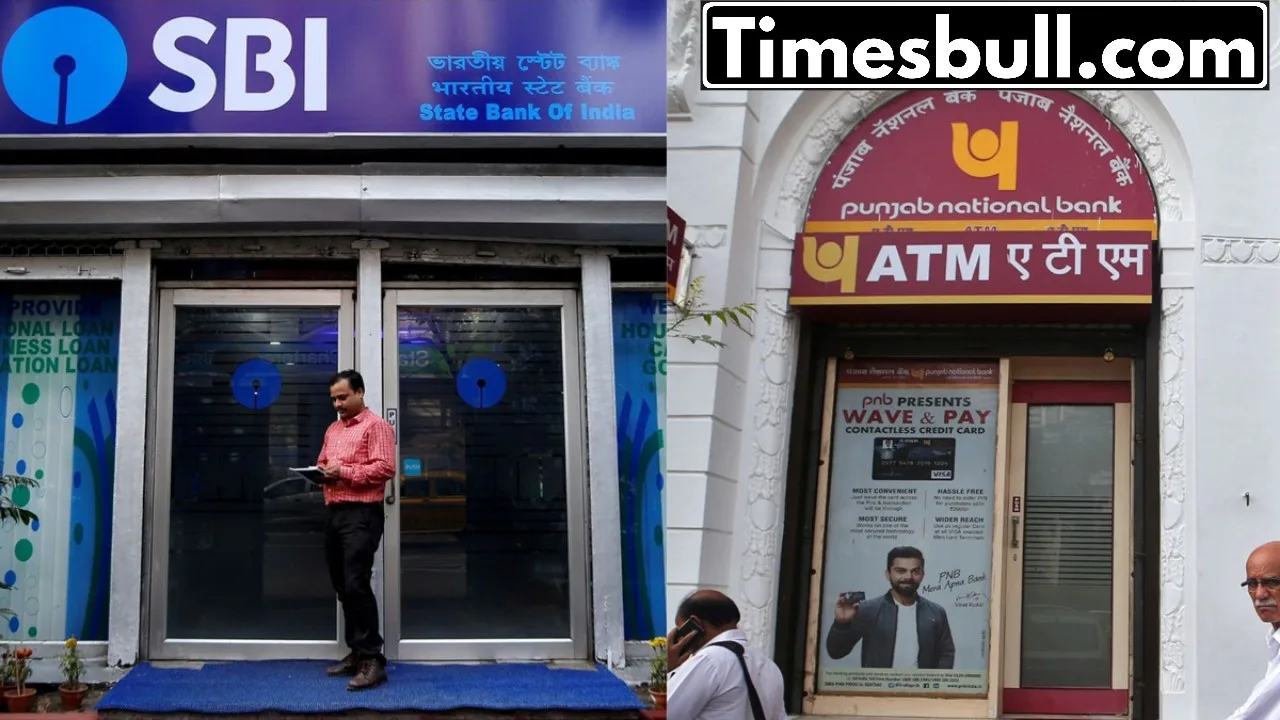
    Home Loan: Everyone aspires to find their own home. However, with rising inflation and hefty home loan payments, many dreams remain unfulfilled. If you’re in the market for a house, a great opportunity has just arisen. Following the Reserve Bank of India’s repo rate cut, several major banks in the country have lowered their interest rates. As a result, home loans are now more affordable. This includes prominent banks like State Bank of India, Punjab National Bank, and HDFC Bank, where home loans have seen a decrease in rates. Recently, the Reserve Bank of India (RBI) cut the repo rate by 25 basis points to 5.25 percent.

    With EMIs decreasing, loans are becoming more affordable, making it easier for new buyers to purchase a home than ever before. Banks are now providing lower home loan rates to their clients. For instance, if you have a ₹50 lakh home loan over a 20-year term, the interest rate has dropped from 8.5% to 7.25%, leading to EMI savings of around Rs 3,900.

    Why have loans become more affordable?

    After a repo rate cut, the cost of lending for banks decreases. The RBI has made it clear that both public and private banks should extend this benefit to their customers. This is why numerous banks are lowering their lending rates, including RLLR, RBLR, and MCLR.

    Find out how much cheaper the home loans from various banks have become:

    1. Canara Bank

    Canara Bank has lowered its repo-linked benchmark lending rate (RLLR) by 0.25%. The rate has now decreased from 8.25% to 8%. This new rate will take effect from December 12, 2025. Existing customers with loans linked to the RLLR will soon notice a reduction in their EMIs. Depending on their loan agreement, the loan term may also be shortened.

    2. Punjab National Bank

    Punjab National Bank (PNB) has reduced its repo-linked lending rate (RLLR) from 8.35% to 8.10%. The new rates include a basic service price (BSP) increase of 10 basis points. However, the bank’s marginal cost of lending rate (MCLR) and base rate remain unchanged. The new interest rates will be effective from December 6, 2025.

    3. SBI made a big move

    The largest bank in the country, State Bank of India (SBI), has offered substantial relief to its vast customer base. They’ve lowered their lending rates by as much as 0.25 percent. These updated rates took effect on December 15th. SBI has slashed interest rates across all categories, including MCLR, EBLR, and RLLR.

    4. Bank of Baroda

    Bank of Baroda has cut its benchmark retail loan lending rate from 8.15% down to 7.90%. This change will ease the burden on borrowers regarding their loan interest payments. The new rates are in effect from December 6, 2025.

    5. Bank of India

    Bank of India has also decreased its Repo Based Lending Rate (RBLR) from 8.35% to 8.10%, starting December 5, 2025. A notice from Bank of India on the BSE website states, “We would like to inform you that the Bank’s Repo Based Lending Rate (RBLR) has been lowered to 8.10% effective immediately from December 5, 2025.”

    6. Bank of Maharashtra

    Bank of Maharashtra has also brought joy to its customers. They’ve reduced their RLLR by 0.25%, setting the new rate at 7.10%. The bank claims that home loans now start at 7.10% and car loans at 7.45%, which are among the most competitive rates in the market.

    7. Indian Overseas

    Indian Overseas Bank (IOB) has updated its RLLR to 8.10%. This rate is effective from December 15, 2025. Consequently, the bank’s one-year MCLR (marginal cost of funds-based lending rate) is now 8.80%, while the three-year MCLR stands at 8.85%. The MCLR represents the minimum interest rate at which a bank can lend.

    8. Indian Bank

    Indian Bank has lowered its repo-linked benchmark lending rate (RBLR) from 8.20% to 7.95%. Additionally, the bank has reduced its marginal cost of funds-based lending rate (MCLR) by 5 basis points. The new rates are effective as of December 6.

  • PM Kisan Samman Nidhi 22nd Installment, When Will Money Be Credited in 2026?

    PM Kisan Samman Nidhi 22nd Installment, When Will Money Be Credited in 2026?

    PM Kisan Yojana: Farmers benefiting from the Pradhan Mantri Kisan Samman Nidhi Yojana (PM-KISAN) are now looking forward to the date for the 22nd installment. Prime Minister Narendra Modi announced the 21st installment of the program on November 19, 2025.

    Through this initiative, Rs 18,000 crore was deposited into the bank accounts of around 9 crore farmers. The 20th installment was released earlier in August 2025, while the 19th installment was given out in February 2025. Eligible farmers receive a total of Rs 6,000 each year, which is sent directly to their bank accounts in three installments of Rs 2,000 every four months.

    When can we expect the 22nd installment?

    All three installments for 2025 have been distributed. The first installment was in February, the second in August, and the third in November, which is the 21st installment overall. The next one, the 22nd, will mark the first installment for 2026.

    It is anticipated that this amount might be released sometime between January and March 2026. However, the government has yet to announce an official date.

    Expected release in February 2026

    There are predictions that the 22nd installment could be issued in February 2026. This is based on the fact that the first installment for 2025 was also released in February. If the government sticks to this schedule, farmers might see the next installment credited to their accounts in February 2026.

    Where to find updates?

    All official updates regarding the PM Kisan Yojana can be found on the government website, pmkisan.gov.in. Farmers can also utilize the KISAN E-MITRA chatbot, which is available on the homepage of the website, to get answers to their questions about installments, payment status, and eligibility.

    If your installment hasn’t arrived in your account, there could be several reasons for this. These include failing to meet eligibility criteria, not linking your bank account to Aadhaar, not completing e-KYC, or discrepancies in land records. In such a situation, farmers need to update their information.

    Which farmers can be ineligible?

    Certain categories of farmers are considered ineligible under the PM Kisan Yojana. These include income tax payers, government employees, certain pensioners, and several other categories. Complete eligibility information is available on the official website.

    The government aims to ensure that eligible farmers get timely financial assistance, hence farmers are advised to keep checking and updating their documents and bank details from time to time.

  • Use These Hidden Tricks to Instantly Boost Your Credit Score

    Use These Hidden Tricks to Instantly Boost Your Credit Score

    If your loan applications are repeatedly being rejected or banks are offering you EMIs at high interest rates, the biggest reason could be a weak credit score. The good news is that a credit score is not permanent; it can be significantly improved with the right habits and a little smart planning. In this report, we are telling you about effective methods that can help you increase your CIBIL score by 100 points or more within 6 to 8 months.

    Read More- Watch: MPs debate over India vs South Africa match cancellation in Lucknow

    What is a credit score, and why is it important?

    A credit score is a number between 300 and 900 that reflects how responsibly you manage your debts and bills. Banks and financial institutions use this score to decide whether or not to grant you a loan. Not only that, this score also determines whether you will get a loan at a low or high interest rate. In simple terms, a credit score is a reflection of your financial credibility.

    What is considered a good credit score?

    Generally, a score of 750 or above is considered excellent. A score between 650 and 749 falls into the good category, while a score below 600 increases the difficulties in obtaining a loan. A low score doesn’t mean you’re permanently out of the financial system; it simply indicates that improvement is needed.

    The habit of paying EMIs and credit card bills on time

    The largest component of your credit score is your payment history. If you miss even one EMI or credit card bill payment, it directly impacts your score. In many cases, just one late payment can drop your score by 40 to 50 points. It’s best to enable auto-debit or set reminders for each bill.

    Balanced use of credit limit

    If you have a high credit limit but use a large portion of it every month, it is not considered a good sign for your score. Try not to use more than 30 percent of your total credit limit. If needed, you can request the bank to increase your credit limit, which automatically lowers your utilization ratio.

    Why you shouldn’t close old credit cards

    A significant part of your credit score depends on the length of your credit history. If you have a card that is several years old, closing it can negatively impact your score. A better approach is to make a small transaction with that card every month, such as paying your mobile bill or OTT subscription.

    Applying for loans or cards frequently is harmful

    Every time you apply for a loan or credit card, the bank checks your credit report, which is called a hard inquiry. Too many hard inquiries can gradually lower your score. Therefore, try not to apply for more than two loans or cards within six months.

    The right balance of credit mix

    If your credit profile consists only of credit cards or only personal loans, it is not considered ideal for your score. A balanced mix of home loans, auto loans, and credit cards strengthens your profile and can significantly improve your score.

    Safe options for those with low scores

    For people with scores between 500 and 600, an FD-backed secured credit card can be a good starting point. With this, you get a card against a fixed deposit, and making timely payments can show a clear improvement in your score within 6 to 12 months.

    Read More- UPSC ESE Final Result 2025 Out – Check Branch-wise Topper List & PDF Link

    Why is regular checking of your credit report necessary

    Sometimes there are errors in credit reports that affect your score. Check your CIBIL report at least once a year. If you find any incorrect entries, file a dispute immediately. Such errors are usually corrected within 45 to 60 days.

  • Driving License Update – Are You Ready for the DL Test? Know New Rules or Be Rejected

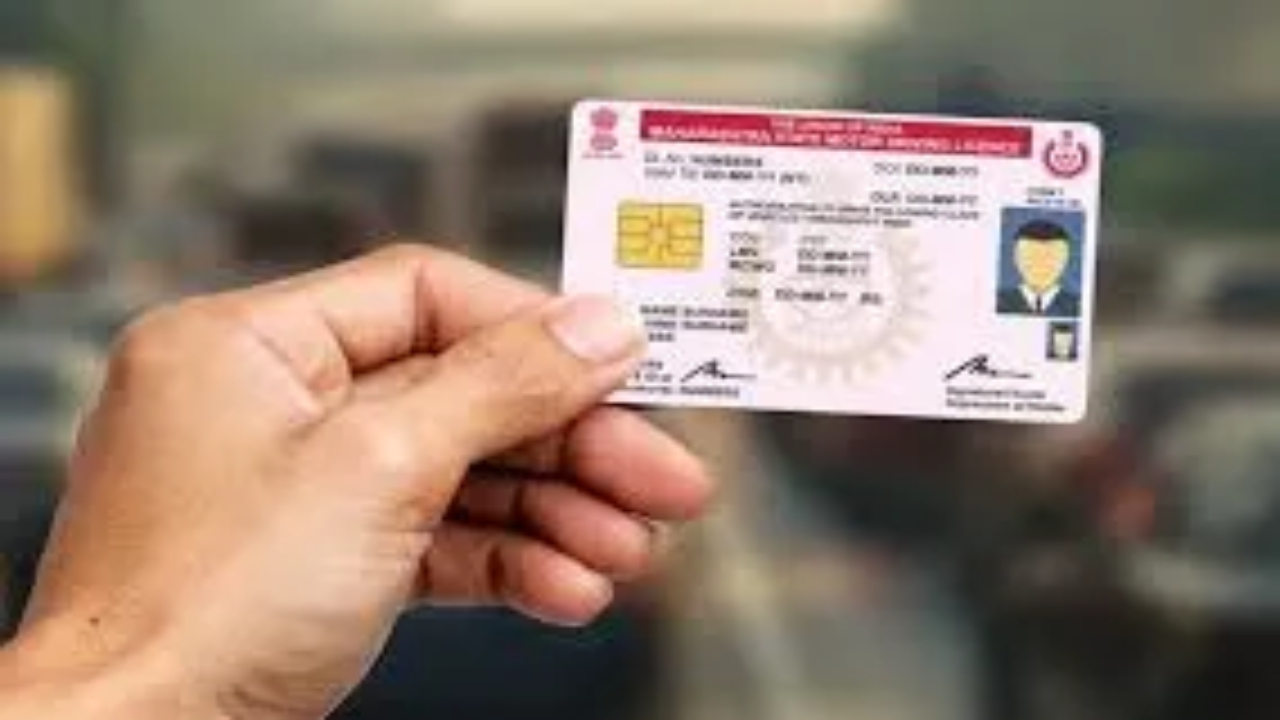
    Driving License Update – Are You Ready for the DL Test? Know New Rules or Be Rejected

    Becoming an adult includes gaining several responsibilities, such as being able to drive. The ability to drive probably is one of someone’s greatest responsibilities after the age of 18, as well as how to acquire a driver’s license.

    A person should begin preparing for a driver’s license after they have reached the age of adulthood; nevertheless, it is not easy to obtain. A person will have to pass a test that includes practical, written and oral portions. Occasionally, a person will fail to receive approval for their application to receive a driver’s license. After submitting the application requesting a learner’s permit, an applicant will typically have to wait at least 6 months.

    Although it may seem hard to pass this type of evaluation, you might be surprised how simple it is if you keep in mind some simple suggestions. Planning in advance and being aware of the traffic laws in your area will be the best ways to prepare for and pass your driving test successfully. Let’s take a look at what you will have to do to prepare for and successfully receive a driver’s license.

    Also Read –New Bajaj Pulsar N160 Single Seat with USD Forks – Now Even More Stylish, Comfortable, and Powerful

    The following points should be kept in mind regarding the learner’s license:

    Everyone must obtain a learner’s license before getting a driving license. This is because driving can only be learned after obtaining this license. After learning to drive, one must practice driving thoroughly with their own vehicle.

    However, the same vehicle used for practice should be taken to the driving test. This will make it much easier for the test-taker to drive.

    It is essential to get the vehicle serviced before taking it out for the test. This ensures that there are no defects in basic features such as lights, indicators, and the horn. If these features do not function correctly due to a defect during the test, the applicant’s application will be rejected.

    Before taking the car for the test, all the mirrors of the vehicle must be checked. This is because the car’s mirrors are very important. Mirrors are essential for observing the surroundings and for maneuvering the vehicle.

    Read More –New Bajaj Pulsar N160 Single Seat with USD Forks – Now Even More Stylish, Comfortable, and Powerful

    Not only that, the instructor observes whether the test-taker is using the rearview and side mirrors while driving.

    Complete knowledge of driving rules and traffic signals is necessary.

    The vehicle’s documents must be carried during the test, and the applicant must have complete information about them.

  • Google Launches First UPI-Linked Credit Card in India

    Google Launches First UPI-Linked Credit Card in India

    India’s digital payments ecosystem is constantly reaching new heights, and in a historic move, Google has launched its first credit card globally, starting with India. This move is considered a significant achievement not only for Google but also for the Indian fintech and digital payments sector. This credit card has been issued in partnership with Axis Bank and is based on the RuPay network.

    Read More- AILET Result 2026 Declared – Direct Link to Download Score at nationallawuniversitydelhi.in

    Google’s Credit Card Launched in India for the First Time

    By choosing India for the launch of its first credit card, Google has made it clear how important the Indian digital payments market is globally. This Google-Axis Bank co-branded credit card is fully integrated with Google Pay, eliminating the need for users to rely on different platforms.

    Why is a UPI-Linked Credit Card Special?

    The biggest feature of this credit card is that it can be directly linked to UPI. Users can now make payments by scanning at UPI merchants, but the payment will be deducted directly from their credit card. Until now, this facility was only possible on the RuPay network, while Visa and Mastercard cards could not be linked to UPI.

    A New Experience with Instant Reward System

    This card is a step ahead of traditional credit cards. It offers instant rewards on every transaction. Users don’t have to wait until the end of the month; the rewards can be used directly in the next payment. This makes using the credit card more transparent and attractive.

    Payment Model Transformed by RuPay and UPI Integration

    Both RuPay and UPI are operated by NPCI. The integration of these two provides users with the simplicity of UPI and the convenience of a credit card on a single platform. The RuPay-UPI credit model is rapidly gaining popularity in India, and Google’s entry gives it international recognition.

    Strategic Partnership between Axis Bank and Google

    Axis Bank is the issuing bank for this credit card. This partnership combines Google’s technological expertise and vast user base with Axis Bank’s banking experience, credit underwriting, and regulatory compliance. This collaboration reflects the evolving relationship between banks and fintech companies in India.

    Read More- Complete These Important Work Before the End of 2025, Otherwise You Will Suffer Losses

    The future direction of digital payments

    Google’s move suggests that UPI-based credit payments could become mainstream in the future. This is expected to benefit small businesses, online merchants, and ordinary consumers alike.

  • Post Office Investment: Save ₹7,000 Monthly and Build a ₹22 Lakh Fund – Full Details Inside

    Post Office Investment: Save ₹7,000 Monthly and Build a ₹22 Lakh Fund – Full Details Inside

    The government operates several schemes to ensure the safety and financial security of its citizens. Even today, people rely most on post office schemes among all government schemes. One of the best and oldest post office schemes is the Public Provident Fund (PPF). This scheme was specifically designed for those who want to build a substantial fund through safe, long-term investments. The PPF scheme is entirely government-backed, so there is no risk of losing your money.

    Currently, PPF offers an annual interest rate of approximately 7.1%, which is compounded. The most significant feature of this scheme is that it does not require a large investment. Anyone can invest in PPF with as little as ₹500 annually. It is a financial scheme that allows investments up to a maximum of ₹1.5 lakh annually, along with tax benefits under Section 80C of the Income Tax Act.

    Also Read –Become a Millionaire From Home, Invest in PPF and Earn a Tax-Free Amount of Over Rs 40 Lakh

    Build a large fund in 15 years

    • The PPF has a tenure of 15 years.
    • Investments can be made in a lump sum or in installments.
    • A maximum of 12 installments can be invested every year.
    • You will have the option to deposit ₹7,000 per month.
    • The annual investment amount will be ₹84,000.
    • In 15 years, the fund will be approximately ₹22.78 lakhs.
    • This includes ₹10.18 lakhs in interest.
    • The entire amount is protected by a government guarantee.
    • It is helpful for goals like education and retirement.

    Loan and partial withdrawal facility

    • PPF is not just a savings account, but a multi-benefit account.
    • Loan options are also available against this account.
    • Investors become eligible for a loan after a few years.
    • It is mandatory to deposit at least ₹500 every year in this scheme.
    • The account may become inactive if the minimum amount is not deposited.
    • An inactive account can be reactivated by paying a penalty.
    • Regular investment ensures all benefits.
    • Small precautions provide significant long-term benefits.

    Read More –AI-Generated Fake Aadhaar and PAN Cards Raise Alarm Over Identity Theft Risks

    When to withdraw

    1. Withdrawal from PPF is not allowed for the first five years.
    2. Even after five years, funds can only be withdrawn for specific needs.
    3. Limited relief is available for illness or children’s education.
    4. This is why PPF is the best option for long-term savings.

    Why choose PPF?

    • PPF investors get low risk and a stable interest rate.
    • The government provides complete guarantee on the investment.
    • Tax benefits increase the returns.
    • Investors’ money remains completely safe.
    • Gradually, a large and strong fund is created.
    • A smart investment for those who want risk-free investment.

    (Note: This article is for informational purposes only and should not be considered as investment advice. Consult a financial advisor before investing.)

  • Complete These Important Work Before the End of 2025, Otherwise You Will Suffer Losses

    Complete These Important Work Before the End of 2025, Otherwise You Will Suffer Losses

    There isn’t much time left before the end of 2025, and with it, the deadlines for several important financial and government processes are also approaching. If these tasks are not completed by December 31st, it could directly impact your finances and legal standing. Income tax returns, GST filing, Aadhaar-PAN linking, and bank locker rules are currently the most discussed topics.

    Read More- Buy Maruti Alto for just Rs 1.55 lakh, great mileage

    Last Chance for Income Tax Returns

    The last date for filing income tax returns for the financial year was September 16th. Taxpayers who could not file their returns by this date have been given an additional opportunity until December 31st. Filing returns during this period is called filing a belated return. However, this option comes with penalties and interest, which increases the total tax liability.

    Disadvantages of Filing a Belated Return

    Filing an ITR after the deadline attracts late fees and interest under various sections of the Income Tax Act. The longer the delay, the greater the financial burden on the taxpayer. Therefore, it is better to complete this process as soon as possible instead of waiting until the last days.

    Opportunity to Correct with Revised Returns

    If you filed your ITR within the stipulated time but later realised any mistakes or omissions, you can file a revised return. This provides the facility to correct the original return. A revised return can be filed until December 31st or before the tax department begins the assessment. There are no late fees for this, but if the tax liability increases after the revision, additional tax and interest have to be paid.

    GST and Company Filing Deadlines

    The last date for filing GST annual returns and audit-related forms for the financial year 2024-25 is also December 31, 2025. Similarly, companies also have to submit their annual returns and financial statements by the same date. Although there are demands to extend the deadline, no official announcement has been made yet.

    Read More- Looking for 10%+ Returns in a Year? Here Are 5 Smart Short-Term Investment Options

    Aadhaar-PAN Linking and Bank Locker Rules

    Those who obtained their PAN using their Aadhaar enrollment ID must link their Aadhaar and PAN by December 31. Failure to do so may result in their PAN becoming inactive. Similarly, bank locker holders must also sign an updated agreement with their bank. Failure to complete this process within the stipulated time may lead to the termination of their locker facility.

  • PM Kisan Yojana: Do These Things Before the 22nd Installment Arrives, Otherwise Your Payment Will Be Stuck

    PM Kisan Yojana: Do These Things Before the 22nd Installment Arrives, Otherwise Your Payment Will Be Stuck

    PM Kisan Yojana Update: The central government is providing benefits under the PM Kisan scheme to make farmers financially self-reliant. Under this scheme, farmers are provided with Rs 6,000 every year. This means that Rs 2,000 is transferred directly to the farmers’ accounts three times a year. Farmers received the 21st instalment in November. Now, farmers are waiting for the upcoming 22nd instalment.

    It is important to note that many farmers have not yet received the 21st instalment. The main reason for this is the e-KYC process. The government has made e-KYC mandatory to avail the benefits of the scheme. If you are benefiting from this scheme and have not yet completed e-KYC, then be sure to complete it before the upcoming 22nd instalment. You don’t need to go anywhere for this; you can do e-KYC from the comfort of your home. The government has released a mobile app to simplify the process.

    Read Here: Buy Maruti Alto for just Rs 1.55 lakh, great mileage

    Why is e-KYC necessary?

    The government has made e-KYC mandatory to maintain transparency in the PM Kisan Yojana. This ensures that the scheme’s funds reach the correct beneficiaries. Earlier, some cases of fraudulent claims were reported, and to prevent these, Aadhaar linking and e-KYC have been made mandatory.

    How to do e-KYC online

    If you want to do e-KYC, first visit the official website pmkisan.gov.in.

    Then, select the e-KYC option in the Farmer Corner on the homepage.

    After that, enter your Aadhaar number on the new page and click on search.

    An OTP will be sent to the mobile number linked to your Aadhaar.

    Once you enter the OTP, your identity will be verified.

    After the verification is complete, the e-KYC status will be visible on the portal within approximately 24 hours.

    Read Here: Looking for 10%+ Returns in a Year? Here Are 5 Smart Short-Term Investment Options

    How to do e-KYC using the mobile app

    If you want to do e-KYC using your mobile phone, download the PM Kisan mobile app from the Google Play Store on your smartphone. Next, open the app and log in with your registered mobile number.

    Then, go to the ‘Beneficiary Status’ section, enter your Aadhaar number, and click on search.

    After that, complete the verification process using the OTP, and your e-KYC will be completed.