Category: Business

Stay ahead of the curve in India’s dynamic financial landscape with Timesbull. We deliver real-time updates and in-depth analysis on Indian business, finance, and the stock markets. Get the latest BSE/NSE news, ensuring you’re always informed about market movements.

Track the pulse of the Indian economy with our comprehensive coverage of Sensex and Nifty updates. Timesbull provides crucial personal finance insights to help you manage your money effectively and make informed investment decisions.

Beyond breaking news, we offer expert market analysis and insightful perspectives on economic trends shaping India and the global economy. Whether you’re a seasoned investor, business professional, or just starting to manage your finances, Timesbull is your trusted source.

Rely on Timesbull for accurate, timely, and insightful business and finance news, empowering you to navigate the complexities of the Indian market with confidence. Visit Timesbull today to unlock your financial potential.

  • Free LPG Cylinders on Holi, Full Details Inside

    Free LPG Cylinders on Holi, Full Details Inside

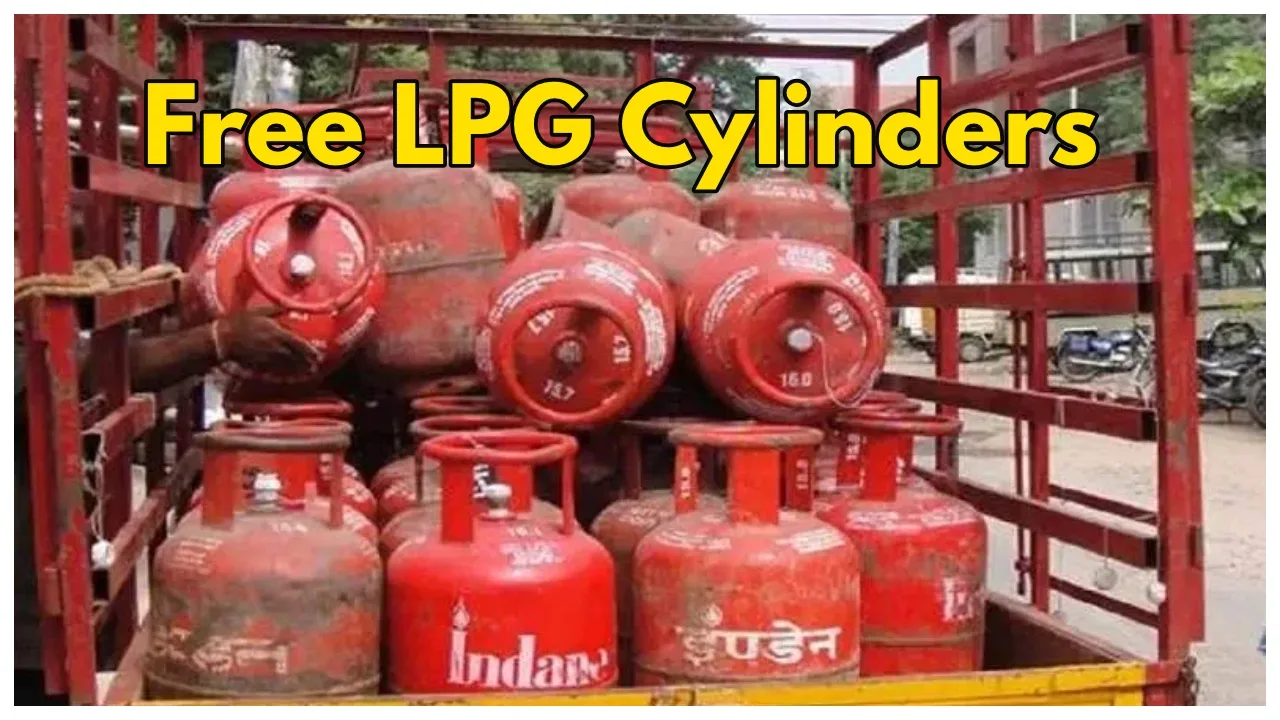
    Free LPG Cylinder: A significant portion of the population is about to receive complimentary LPG gas cylinders in celebration of Holi. These complimentary cylinders will be given to 18.6 million beneficiaries in Uttar Pradesh. Let’s explore this initiative further.

    1.86 crore individuals will benefit

    Indeed, Chief Minister Yogi Adityanath announced on Saturday the release of Rs 1,500 crore as a gas cylinder refill subsidy for 18.6 million beneficiaries under the Ujjwala Yojana. Through this initiative, beneficiaries can obtain a free refilled LPG cylinder from their nearest agency either before or after Holi. It’s important to mention that the Yogi government introduced the refill subsidy scheme in 2022. Under this program, beneficiaries receive free LPG cylinders during both Diwali and Holi.

    About Ujjwala Yojana

    The Pradhan Mantri Ujjwala Yojana (PMUY) was initiated in May 2016 to offer deposit-free LPG connections to adult women from low-income households throughout the nation. There are around 105 million PMUY connections available across the country. Recently, the government sanctioned 2.5 million additional LPG connections under the PMUY scheme for the fiscal year 2025-26.

    To enhance the affordability of LPG for PMUY users and promote its ongoing usage, the government started providing a subsidy of Rs 200 per 14.2 kg cylinder (adjusted for 5 kg connections) in May 2022. This subsidy was later raised to ₹300 per 14.2 kg cylinder (adjusted for 5 kg connections) a few years afterward.

    What are the necessary documents?

    The required documents for the enrollment process under the Pradhan Mantri Ujjwala Yojana include Aadhaar card, ration card, address proof, passport-size photo, and bank details. Fill out the application form online through the official website. Next, select the name of the oil company.

    For example, Indane/Bharatgas/HP Gas, select the connection type. Also, select the state, district, and distributor name. Enter the mobile number, captcha, and OTP. Enter all family details, personal details, address details, and bank details. Select the cylinder type, rural or urban, and select the declaration and submit.

    LPG cylinder prices hike

    Just before Holi, the price of commercial LPG cylinders has been increased, while the price of domestic cylinders has remained unchanged. Starting Sunday, a 19-kilogram commercial LPG cylinder in Delhi costs ₹1,768.50. This is the highest price since March 2025. This is the third consecutive increase in the price of commercial LPG cylinders this year.

    At the same time, the price of 14.2 kg domestic LPG cylinder has remained unchanged since April 08, 2025. Its price remains stable at Rs 853 in Delhi, Rs 879 in Kolkata, Rs 852.50 in Mumbai and Rs 868.50 in Chennai.

  • Air India Cancelled Multiple Flights, Check Full List Here

    Air India Cancelled Multiple Flights, Check Full List Here

    Air India Flight Cancelld: India’s top airline, Air India, announced on Sunday that it has cancelLed multiple international flights due to the intensifying military conflict between the US and Iran. Following Iran’s missile strikes on US military installations in the Gulf, the airspace in the region has been deemed unsafe, prompting Air India to reduce its essential flights to Europe and the UK.

    Air India released an official statement on Sunday, stating, “After ongoing monitoring and thorough evaluation of the swiftly changing situation in the Middle East, we find it necessary to limit our scheduled flights. The safety of our passengers and crew remains our highest priority.” The airline emphasized that until the air situation stabilizes, traveling on these routes could pose risks.

    The cancelled flights include:

    AI131 / AI130: Mumbai–London (Heathrow) / London (Heathrow)–Mumbai
    AI113 / AI118: Delhi–Birmingham / Birmingham–Delhi
    AI155 / AI156: Delhi–Amsterdam / Amsterdam–Delhi
    AI151 / AI152: Delhi–Zurich / Zurich–Delhi
    AI137 / AI138: Delhi–Milan / Milan–Delhi
    AI153 / AI154: Delhi–Vienna / Vienna–Delhi
    AI133 / AI132: Bengaluru–London (Heathrow) / London (Heathrow)–Bengaluru
    AI157 / AI158: Delhi–Copenhagen / Copenhagen–Delhi
    AI2017 / AI2018 and AI2015 / AI2016: Delhi–London (Heathrow) / London (Heathrow)–Delhi
    AI2029 / AI2030: Delhi–Frankfurt / Frankfurt–Delhi

    Passengers left stranded at airports

    A significant number of passengers are currently stranded at various airports throughout the country, including Delhi, Mumbai, Kolkata, and Bengaluru, due to flight cancellations or delays. Preliminary data from the Ministry of Civil Aviation indicates that around 444 flights were anticipated to be canceled on Saturday alone as a result of this geopolitical turmoil. The disruptions and cancellations caused by the conflict have left many travelers stuck at Delhi’s Indira Gandhi International Airport, experiencing considerable inconvenience.

    The US-Iran conflict has completely disrupted global aviation services. India has also been affected. Numerous passengers are stranded at several airports across the country, including Delhi, Mumbai, Kolkata, and Bengaluru, due to flight cancellations or delays. Operation Epic Fury, launched by Israel and the US against Iran, and Iran’s subsequent retaliatory warnings, has turned the Gulf region into a no-fly zone. Iran, Israel, Iraq, the UAE, Jordan, and Syria have temporarily closed their airspace for security reasons. According to preliminary data from the Ministry of Civil Aviation, approximately 444 flights were expected to be canceled on Saturday alone due to this geopolitical instability.

  • UTS Discontinued, Now RailOne to Handle Ticket Booking Services

    UTS Discontinued, Now RailOne to Handle Ticket Booking Services

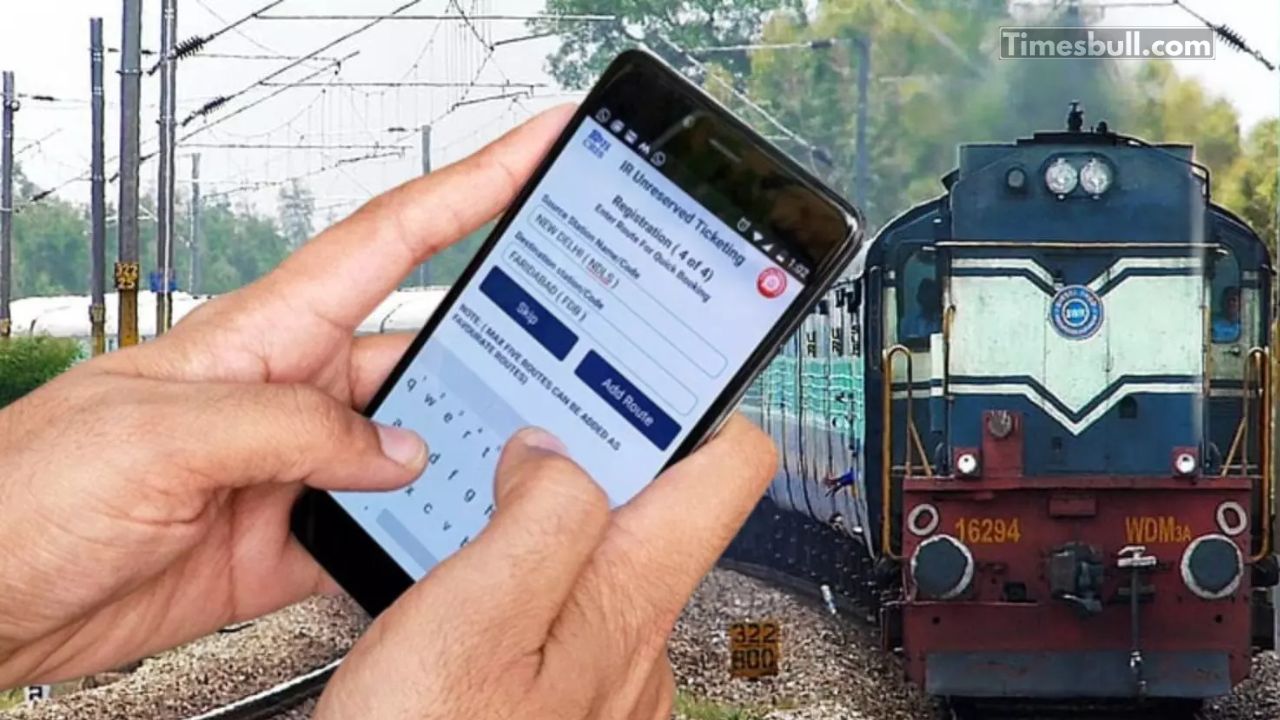
    UTS App Discontinued: As of today, the Indian Railways has officially phased out its widely used UTS (Unreserved Ticketing System) app, with the change taking effect on March 1, 2026. This significant shift will impact millions of passengers, who will now transition to the new RailOne super app for all their ticketing and related needs.

    What led to the closure of the UTS app?

    The previous UTS app was mainly utilized for unreserved tickets, platform tickets, and season passes. However, many passengers found themselves confused by the number of apps available. Reserved tickets could be obtained through IRCTC, while unreserved tickets were accessible via UTS. To streamline the experience, the Railways opted to consolidate everything into a single app. An alert was shared on social media by CRIS (Centre for Railway Information Systems) on February 27.

    The RailOne app was introduced in July 2025 by Union Railway Minister Ashwini Vaishnav. It is compatible with both Android and iOS devices and includes all the functionalities of UTS, along with extra features such as reserved ticket bookings, train tracking, and food ordering. Additionally, a 3% discount will be offered for digital payments. The Railways claims this will enhance transparency and save time. If you regularly travel on fast local trains, make sure to download it soon, or you might find yourself waiting in line at the station.

    How can you access R-Wallet funds?As of today, the Indian Railways has officially phased out its widely used UTS (Unreserved Ticketing System) app, with the change taking effect on March 1, 2026. This significant shift will impact millions of passengers, who will now transition to the new RailOne super app for all their ticketing and related needs.

    What led to the closure of the UTS app?

    The previous UTS app was mainly utilized for unreserved tickets, platform tickets, and season passes. However, many passengers found themselves confused by the number of apps available. Reserved tickets could be obtained through IRCTC, while unreserved tickets were accessible via UTS. To streamline the experience, the Railways opted to consolidate everything into a single app. An alert was shared on social media by CRIS (Centre for Railway Information Systems) on February 27.

    The RailOne app was introduced in July 2025 by Union Railway Minister Ashwini Vaishnav. It is compatible with both Android and iOS devices and includes all the functionalities of UTS, along with extra features such as reserved ticket bookings, train tracking, and food ordering. Additionally, a 3% discount will be offered for digital payments. The Railways claims this will enhance transparency and save time. If you regularly travel on fast local trains, make sure to download it soon, or you might find yourself waiting in line at the station.

    How can you access R-Wallet funds?

    The biggest question that comes to every common man’s mind now is where did the money in the R-Wallet stored in UTS go? Don’t worry, it is safe. CRIS clarified that the balance will be automatically transferred to the RailOne app. Just download the new app, use the old UTS mobile number and R-Wallet ID for login. The transfer may take 24-48 hours. In case of any problem, call the helpline 139 or raise a ticket in the support section of the RailOne app. Some users reported that the transfer was smooth, but there may be delays during peak hours. There is also a refund option. Add bank details for balance refund.

    This change is part of the railways’ digital revolution. Previously, services like UTS were limited to station counters, but now everything is easily available on mobile phones. However, this poses a challenge for passengers in rural areas with internet issues. The railways has also introduced the facility of QR code scanning for tickets at stations. Overall, this step will provide a single window for passengers, but initial difficulties are possible. Install RailOne today and make your travel smart.


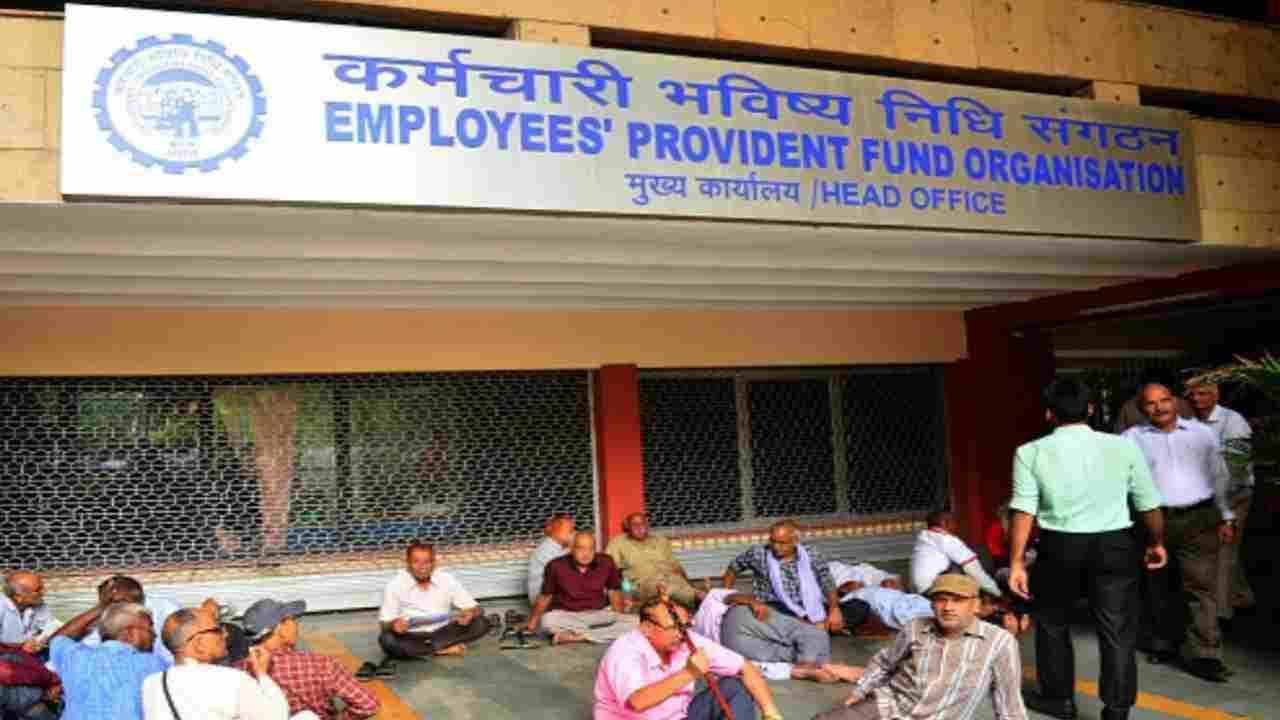
  • EPFO Update – PF Employees to Receive ₹42,500! Know the Big Update

    EPFO Update – PF Employees to Receive ₹42,500! Know the Big Update

    New Delhi: The government may open its coffers for PF employees, which would prove to be a major gift. It is expected that the government may approve interest rates for this financial year. The central government may provide a total interest rate of up to 8.50 per cent for the financial years 2025 and 2026.

    If this happens, it will be 0.25per centt higher than last year. This is sure to result in a significant amount of money being deposited into the PF employees’ accounts. The government may decide to increase interest rates by April. However, no official announcement has been made yet. Media reports are making similar claims.

    How much money will be deposited into accounts?

    A decision on interest rates may be taken at the meeting of the Central Board of Trustees of the Employees’ Pension Fund Organisation. The Modi government is considering approving an interest rate of 8.50 per cent for the financial years 2025 and 2026. If this announcement is made in April, the funds could be deposited into accounts by June. This is likely to result in a substantial deposit in the account.

    If an employee has up to ₹5 lakh in their PF account, they can expect to receive interest of approximately ₹42,500. This amount will be provided at an interest rate of 8.50%. Furthermore, if an employee has ₹6 lakh in their PF account, they can expect to receive approximately ₹53,000 in interest. Employees can check this amount online.

    RBI has taken major decisions

    The Reserve Bank of India recently cut interest rates for several months. The government has not made any changes to small savings rates.

    Deepak Jaiswal, National President of the National Front of Indian Trade Unions, said that last year, millions of new workers joined the Vikasit Bharat Rojgar Yojana (Development of India) scheme. This has increased the amount available for investment. Jaiswal further added, “Also, the organisation had a good income surplus after payments in the last financial year.”

    EPFO has also made a major announcement

    A few days ago, the EPFO ​​won the hearts of employees with a major announcement. The government has decided to return unclaimed deposits lying in inoperative EPFO ​​accounts to subscribers. This will benefit over 3.1 million subscribers. As a pilot phase, 700,000 subscribers will be eligible for the benefit in the first phase. Labour Minister Mansukh Mandaviya stated that this decision was taken during a weekly review meeting. The government will return all the unclaimed money in stages, for which you will have to file a claim.

  • Gold Price Update – Check 22K & 24K Gold Rates per 10 Gram

    Gold Price Update – Check 22K & 24K Gold Rates per 10 Gram

    Gold Rate Today: Gold and silver prices fluctuate constantly. Gold rates are changing rapidly. Today, March 1st, gold prices in Delhi are rising. Gold and silver prices have been steadily rising in February. In a week, 24-carat gold has risen by ₹9,430. Meanwhile, the price of 22-carat gold has risen by ₹8,550. The spot price of gold in the international market remains at $5,172.17 per ounce. Trading on the domestic futures market, the Multi-Commodity Exchange, is closed today due to a weekly holiday. If you are considering buying gold, you should check the latest gold rates beforehand.

    Gold Price Today
    Today, the price of 24-carat gold in India stands at ₹16,871 per gram, up ₹714 from yesterday. Meanwhile, the price of 22-carat gold is ₹15,463 per gram, an increase of ₹653 from yesterday’s price. The price of 18-carat gold is ₹12,653 per gram, an increase of ₹535 from yesterday’s price.

    Gold Price in Mumbai
    Today’s price of 24-carat gold in Mumbai is ₹173,080 per 10 grams, and the price of 22-carat gold is ₹158,650 per 10 grams.

    Gold Price in Jaipur
    Today’s price of 24-carat gold in Jaipur is ₹173,230 and the price of 22-carat gold is ₹158,800 per 10 grams.

    Gold Price in Lucknow
    Today’s price of 24-carat gold in Lucknow is ₹173,230, and the price of 22-carat gold is ₹158,800 per 10 grams.

    Gold Price in Kolkata
    Today in Kolkata, the price of 24-carat gold is ₹173,080, and the price of 22-carat gold is ₹158,650 per 10 grams.

    Gold Price in Pune
    The price of 24-carat gold in Pune is ₹168,710, and the price of 22-carat gold is ₹154,630 per 10 grams.

    Gold Price in Bengaluru
    The price of 24-carat gold in Bengaluru is ₹168,710, and the price of 22-carat gold is ₹154,630 per 10 grams.

    Gold Price in Bhopal
    The price of 24-carat gold in Bhopal is ₹168,760, and the price of 22-carat gold is ₹154,700 per 10 grams.

    Gold Price in Chandigarh
    The price of 24-carat gold in Chandigarh is ₹168,860 per 10 grams, and the price of 22-carat gold is ₹154,800 per 10 grams.

    Silver Price

    Silver prices have seen a significant increase on a weekly basis. The price has increased by ₹20,000. On the morning of March 1st, the price of silver was recorded at ₹295,000 per kilogram. On Friday, the price of silver in the Delhi bullion market fell by ₹2,500 to ₹268,000 per kilogram. The spot price of silver in the international market is $89.72 per ounce.

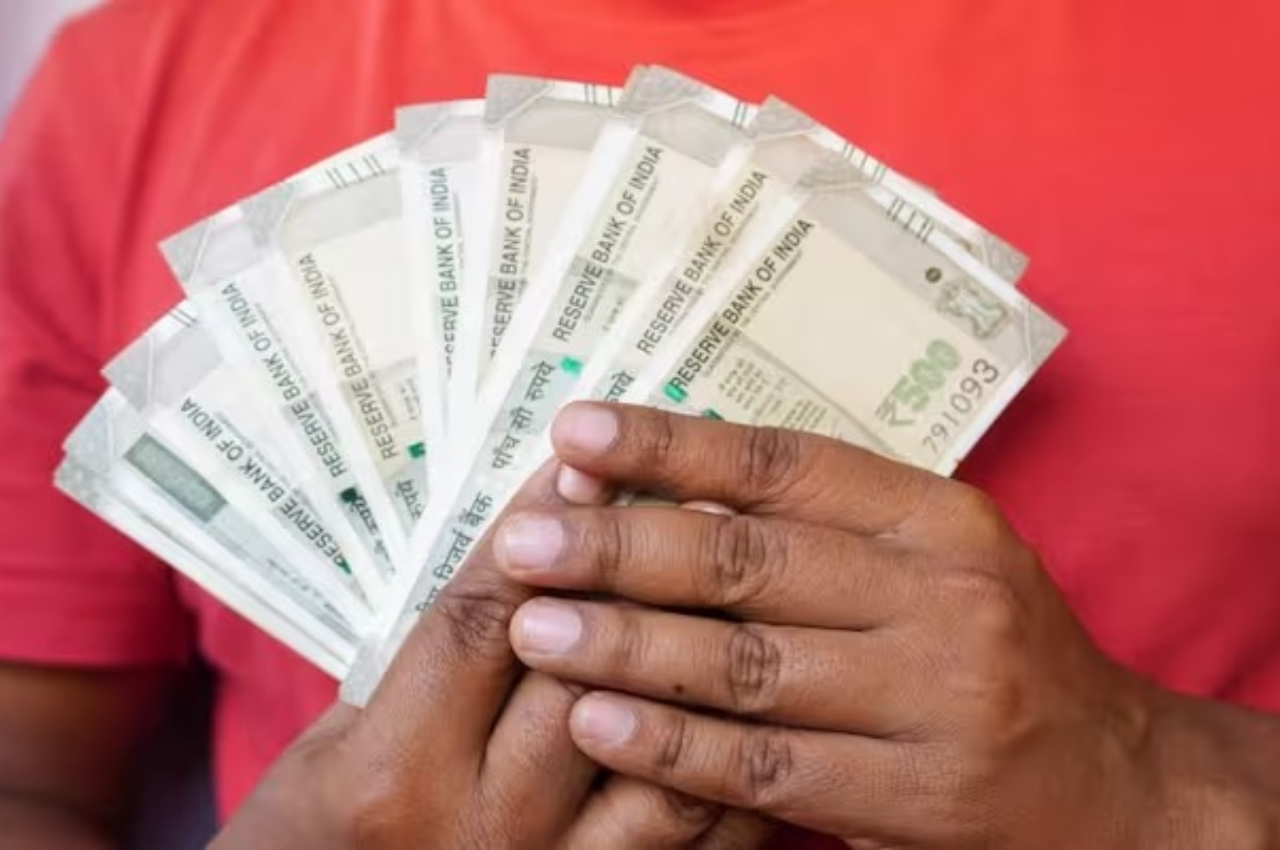
  • Sell 3 Notes of ₹2 for ₹15 Lakh! Know the Selling Method

    Sell 3 Notes of ₹2 for ₹15 Lakh! Know the Selling Method

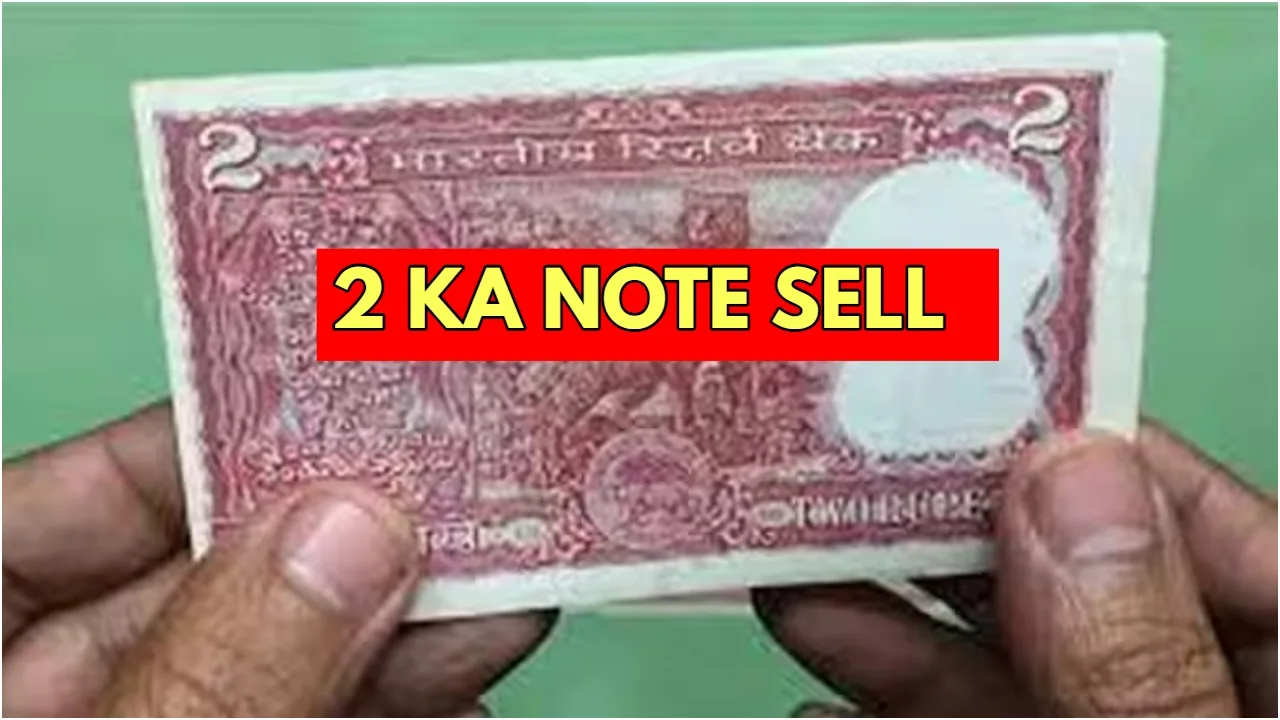
    New Delhi: You can make a fortune by selling a 2-rupee note, easily fetching several lakhs of rupees. There are many organisations in the international market where you can fulfil your dream of becoming wealthy by selling old notes and coins.
    You can sell this note for up to 5 lakh rupees from the comfort of your home.

    If you miss this opportunity, you’ll be shocked.  Below, we’ll explain a simple method for selling a 2 rupee note (2 rupee note sale) that won’t cause any problems. If you’re planning to sell this note, first understand the essential features so you won’t face any difficulties.

    Features of the 22-rupee note

    If you want to sell a 2-rupee note in the international market, first understand the essential features. First, the2-rupeee note must have the serial number 786. It’s essential to have a photo of Mahatma Gandhi printed on it.

    The note must also be pink in colour. Additionally, it must have an image of the Ashoka Pillar. If you have one such note, you can sell it for ₹5 lakh.

    You can sell three notes for ₹15 lakh, which will be hassle-free. People must first register as sellers on the Quikr website. You can upload a clear photo of the note. People will then contact you to purchase the note. You can then make a deal and sell the note.
    Previously, people have made their fortunes by selling old banknotes and coins.

    Globally, people fulfil their dreams of becoming rich by selling old currency. In the online age, there are many ways to make money. People use various methods to achieve their financial goals. Even a torn banknote can be sold. You just need to know the online steps mentioned above.

    Disclaimer

    There are many claims of ₹2 notes being sold online. People often fall victim to fraud when selling the note online. Important things to keep in mind when selling the note:

    The RBI does not give anyone permission to buy or sell the note. People often fall victim to fraud. Therefore, you should sell wisely. If you are greedy, you will be held responsible.

  • New Pension Scheme from April 1, What you should know?

    New Pension Scheme from April 1, What you should know?

    Pension Scheme: Big news for pensioners. The Kerala government on Saturday issued orders to implement a ‘Defined Pension Scheme’ for its employees from April 1, 2026. The decision follows Finance Minister K N Balagopal’s announcement in the state budget to replace the National Pension System (NPS) with a ‘Defined Pension Scheme’ that would guarantee a minimum pension.

    Employees can choose a fixed pension plan

    According to information provided by the minister’s office, employees joining government service from April 1, 2026, can choose the ‘Defined Pension Scheme’ or remain under the NPS. Balagopal said in a statement that existing employees currently enrolled under the NPS will also be given the option to switch to the “Defined Pension Scheme.” The maximum pension under this scheme will be 50 percent of the basic salary received at the time of retirement, which will be determined based on the pay scale approved by the state government. In addition to the pension amount, dearness relief (DR) will also be payable.

    Must have completed 30 years of service

    To be eligible for the maximum pension, employees must complete 30 years of qualifying service. The Minister clarified that detailed guidelines for the scheme will be issued separately.

    Meanwhile Pension Fund Regulator (PFRDA) has made a major change in the rules of National Pension System i.e. NPS. It is claimed that this will provide great relief to employed people. Many new provisions have been made in the new rules, ranging from increasing the age limit for remaining in NPS. These changes are for both government and non-government employees. The first change introduced by the PFRDA relates to the age limit. Now, individuals can remain in the National Pension System until the age of 85, up from 75 years previously.

    The second change relates to pension fund amounts. Now, only 20% of the funds must be set aside for pensions. At retirement or in certain circumstances, private sector employees can use at least 20% of their total funds to purchase an annuity. Previously, if your corpus exceeded ₹5 lakh, you had to use at least 40% of your corpus to purchase an annuity. This means you can now access more cash. The third change concerns withdrawals. In some cases, the entire amount can be withdrawn at once. Government and private subscribers with a deposit of Rs 8 lakh or less can withdraw 100% of their deposits.

    Government employees have the option of investing 40% of their funds in annuities if they don’t want to withdraw the entire amount. Private employees, on the other hand, must use at least 20% of their funds for annuities.

  • PF Interest Rate– 31 Crore Members to Benefit from PF Interest Announcement, Know the details 

    PF Interest Rate– 31 Crore Members to Benefit from PF Interest Announcement, Know the details 

    PF Interest Rate: Big news for EPFO members. Important news for the 31 crore subscribers of EPFO. The Central Board of Trustees (CBT) of EPFO may suggest an interest rate between 8.2 and 8.25 percent this year. This adjustment is due to the decline in stock market returns and bond yields, along with an increase in claim settlements. Last year, the interest rate stood at 8.25 percent, which was raised to 8.25 percent in the financial year 2024. Prior to that, the interest rates were 8.15 percent in 2023 and 8.1 percent in 2022, marking the lowest rates in four decades.

    The CBT is set to convene on Monday. As per reports, a CBT member mentioned that global instability has led to poor performance in stock markets and equities this year. Although most of EPFO’s funds are allocated to government bonds, the yields from these investments have also been disappointing. Consequently, the expected income is likely to decrease.

    The proposal for PF interest rates will be discussed and decided by the Central Board of Trustees (CBT), the highest decision-making body of the EPFO. The meeting will be chaired by Union Labour and Employment Minister Mansukh Mandaviya. The last CBT meeting was held on October 15 last year. Several major announcements were made there, including several reforms aimed at simplifying PF withdrawals.

    What is the entire process?

    The Board’s Investment Committee will also gather on Monday before the CBT meeting. They will review the EPFO’s income and expenditure profile and make a decision regarding the interest rate. The CBT meeting will be led by Labor Minister Mansukh Mandaviya. Once the CBT approves the interest rate, it will also require the Finance Ministry’s endorsement. Following this, the new rate will be credited to subscribers’ accounts in the middle of the upcoming financial year.

    In recent months, the RBI has reduced the repo rate, while the government has maintained the interest rates on small savings schemes. Deepak Jaiswal, the national president of the National Front of Indian Trade Unions, stated that the Vikasit Bharat Rojgar Yojana (Development India Employment Scheme) has brought millions of new workers into the fold last year, enhancing the investment corpus. Additionally, the EPFO has a considerable income surplus from the previous financial year. Therefore, the government should refrain from lowering interest rates.

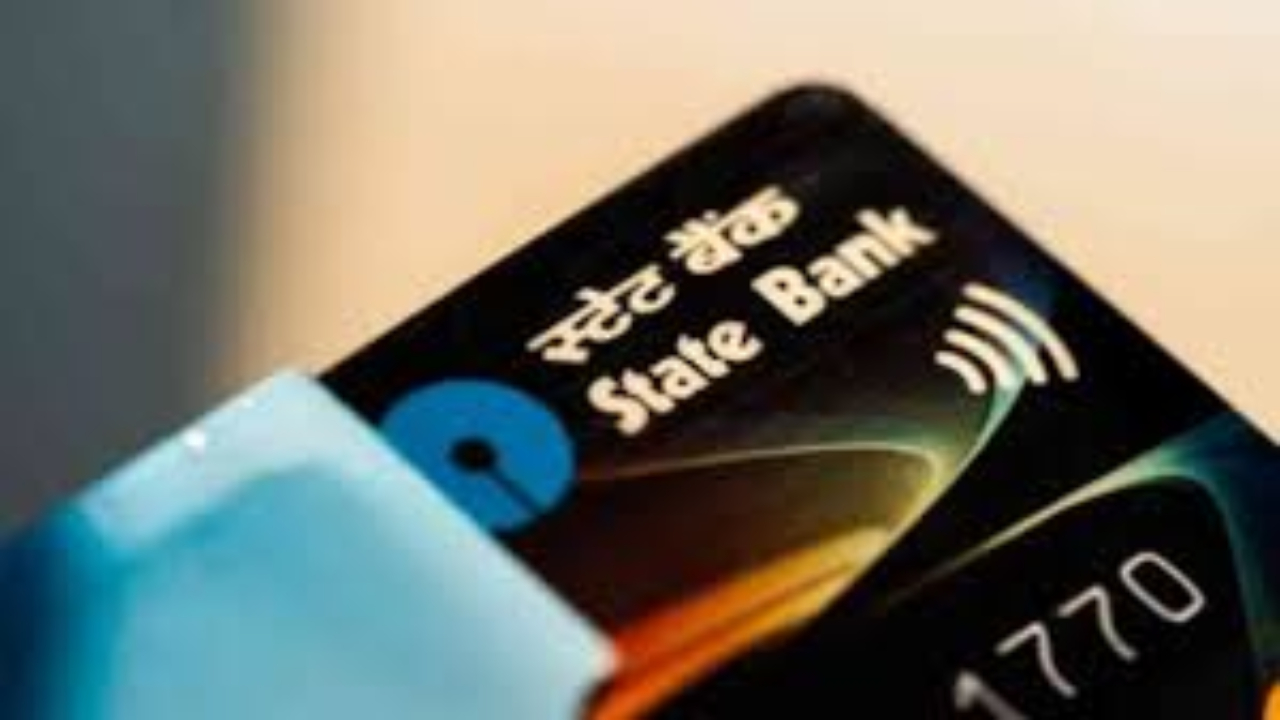
  • SBI Card Cashback Slashed from April 1, New Cashback Rates Announced

    SBI Card Cashback Slashed from April 1, New Cashback Rates Announced

    SBI Card: If you hold a Cashback SBI Card, there’s some unfortunate news for you. This credit card is set to experience a major devaluation. The perks associated with this card have been notably altered. Users can now receive up to Rs 4,000 in cashback each month. These modifications will be implemented on April 1, 2026.

    Previously, SBI card users could earn a maximum total cashback of Rs 5,000 per month. There were no restrictions on individual categories (whether offline or online), allowing all expenditures combined to yield up to Rs 5,000 in cashback. However, starting April 1, 2026, the regulations will change. The total cashback cap has been lowered to Rs 4,000. Additionally, this amount will be split into two distinct parts (offline and online). Each category will have its own limits, meaning you won’t be able to accumulate the full Rs 4,000 cashback from just one category.

    Features of Cashback SBI Card

    Cardholders will continue to receive a 5% cashback on online purchases with this card, as they did before, but beginning April 1st, the maximum monthly cashback available in this category will be Rs 2,000. This indicates that you can earn up to Rs 2,000 cashback at a 5% rate on online shopping totaling up to Rs 40,000 per month.

    For offline shopping, cardholders will still earn the same 1% cashback as before, but starting April 1st, the maximum monthly cashback in this category will also be Rs 2,000. This means that for every Rs 2 lakh spent offline each month, you can earn up to Rs 2,000 cashback at the 1% rate.

    In addition to payments like rent, fuel, and utilities, starting April 1, users will not receive any cashback for Digital Gaming (MCC: 7993, 7994, 5816), Toll/Fastag (MCC: 4784), and Government Payments/Taxes (MCC: 9222, 9311, 9402) categories.

    When using this card for fuel purchases between Rs 500 and Rs 3,000 at petrol stations, you will not face a 1% fuel surcharge. The maximum waiver for the fuel surcharge per billing cycle is Rs 100.

    This card is equipped with contactless technology which also provides the facility of ‘tap and pay’ to the customers, that is, payment can be made by just tapping on the POS machine without swiping the card.

    Cashback redemption is not mandatory

    With the SBI Cashback Card, you don’t need to redeem your cashback. This card comes with an automatic cashback credit feature. As a result, you will see the cashback credited to your credit card account within two days after your next billing cycle.

    Cashback SBI Card Fees

    The initial joining fee for this card is Rs 999.
    The renewal fee for this card is also Rs 999. However, if you spend Rs 2 lakh in a year, the renewal fee will be waived.

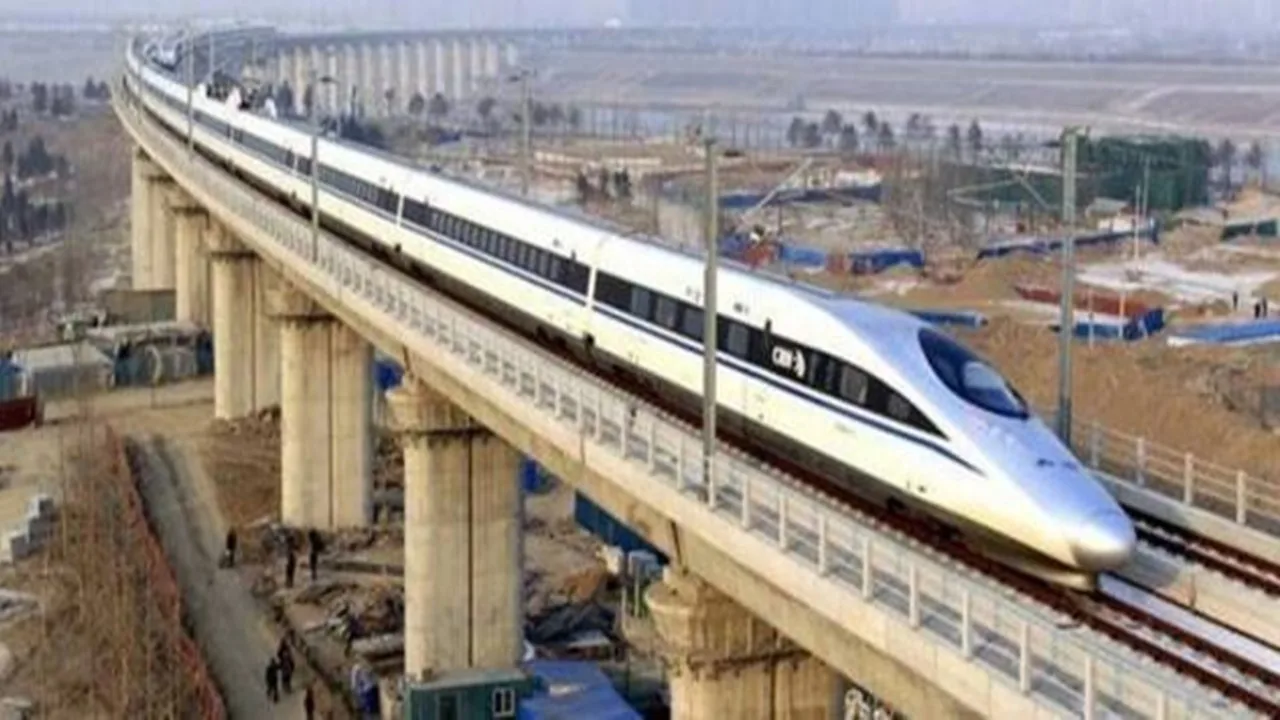
  • Delhi–Varanasi Bullet Train Update: New High-Speed Rail Corridor Station to Be Built Here

    Delhi–Varanasi Bullet Train Update: New High-Speed Rail Corridor Station to Be Built Here

    Bullet Train Update: Exciting developments have surfaced regarding the capital’s station for the Delhi-Varanasi High-Speed Rail (HSR) corridor. The bullet train, which takes about four hours to travel from Delhi to Varanasi, will now feature a station at Sarai Kale Khan, Delhi. Sarai Kale Khan Junction is already the first multimodal transport hub in the capital, and now the Delhi station for the Delhi-Varanasi High-Speed Rail Corridor will also be established here. To make this happen, an agreement has been made to modify the Influence Zone Plan.

    To facilitate this, the Railway Board has instructed the National High Speed Rail Corporation Limited (NHSRCL) to revise the Detailed Project Report (DPR). In the last meeting, the proposal to add Sarai Kale Khan to the high-speed rail corridor was not approved by the central government, which is why it was excluded from the influence zone; however, the plan will now be revised to reinstate it.

    As per a report, a senior government official mentioned that a high-level committee has been established to approve the Influence Zone Plan for the Nizamuddin-Sarai Kale Khan Multimodal Transit Hub. NHSRCL has also provided details regarding the proposed high-speed railway station at Sarai Kale Khan, multimodal integration, and expected passenger traffic.

    Here’s what’s special

    The high-speed rail station will be constructed near Sarai Kale Khan and Nizamuddin stations. NHSRCL will revise its DPR based on the ground conditions and will share updated information. The NHSRCL, which is responsible for overseeing the entire project, was established in 2016 to finance, construct, manage, and operate high-speed rail projects in India. There are also plans to link this high-speed corridor to Dwarka in the future, forming a national high-speed rail network. According to the Railway Ministry’s strategy, three high-speed rail corridors are proposed to commence from Delhi, including the Delhi-Varanasi corridor.

    Sarai Kale is going to become a major transit hub in the coming days as it already has Sarai Kale Khan bus stand, Delhi Metro line, Nizamuddin railway station and RRTS station and now there will be a high speed bullet train station as well.

    Bullet trains will connect 12 major cities

    The Union Budget 2026–27 announced the prioritization of seven new bullet train lines, including the approximately 813-kilometer-long Delhi-Varanasi corridor. This will connect not only Delhi and Varanasi but also major cities such as Noida, Jewar (International Airport), Mathura, Agra, Firozabad, Etawah, Kannauj, Lucknow, Ayodhya (connecting link), Rae Bareli, Prayagraj, and Bhadohi.

  • PM Kisan: Complete e-KYC in 2 Minutes, Rs 2000 willbe credited soon

    PM Kisan: Complete e-KYC in 2 Minutes, Rs 2000 willbe credited soon

    PM Kisan KYC: Millions of farmers across the country are awaiting the 22nd installment of the Pradhan Mantri Kisan Samman Nidhi Yojana. Although the government has not yet announced an official date for the installment, it is believed that an amount of Rs 2,000 may be transferred to farmers’ bank accounts this month. However, keep in mind that this time, only those farmers who have completed their e-KYC process will receive the money. Failure to do so could result in your installment being delayed.

    The Pradhan Mantri Kisan Samman Nidhi Yojana (PM Kisan) is a central government scheme administered by the Ministry of Agriculture and Farmers Welfare. Under this scheme, farmers across the country receive a total annual assistance of Rs 6,000, distributed in three equal installments of Rs 2,000. This amount is deposited directly into farmers’ accounts, eliminating the possibility of fraud.

    How can you complete e-KYC from home using your mobile in just 2 minutes?

    You no longer have to go to a government office or a Public Service Center (CSC) to finish your e-KYC. If your mobile number is connected to your Aadhaar card, you can easily do it yourself by following these steps:

    • First, visit the official PM Kisan website at pmkisan.gov.in.
    • Navigate to the ‘Farmers Corner’ located on the right side of the homepage and click on the ‘eKYC’ option.
    • Next, input your 12-digit Aadhaar number and hit the ‘Search’ button.
    • Then, enter the mobile number linked to your Aadhaar and click on ‘Get OTP’.
    • You will receive an OTP on your mobile; enter it in the provided box and click on ‘Submit For Auth’.
    • Once the process is completed successfully, a message stating ‘eKYC is Successfully Submitted’ will show up on your screen.

    How can you verify if your name is on the beneficiary list?

    If you wish to check whether your name appears in the list for the 22nd installment, the process is quite simple:

    • Click on the ‘Beneficiary List’ option on the PM Kisan website.
    • Select your state, district, block, and village.
    • After that, click on the ‘Get Report’ button.
    • A complete list of your village will be displayed, and you can check if your name is included in it.

    If your name is missing from the list or you’re experiencing any issues with e-KYC, you can contact the PM Kisan helpline number 155261 or 1800115526. Complete your KYC and land verification in time so that the next installment can reach your account without any hassles.

  • New SIM Binding Rules Start Today – How to Secure Your WhatsApp Account? Know the steps

    New SIM Binding Rules Start Today – How to Secure Your WhatsApp Account? Know the steps

    SIM Binding Rule: As of today, March 1st, the SIM binding rule is now in effect, which will have a significant impact on users of WhatsApp and Telegram. The government has made it clear that the SIM binding rule for applications such as WhatsApp, Telegram, and Signal will be enforced starting March 1st, with no further delays.

    This implies that if you possess a second SIM card in your device and are using WhatsApp with a different number, your WhatsApp and other messaging applications may cease to function. This could lead to issues for those who utilize a second SIM card and access WhatsApp from a different number. However, under the new regulation, this will no longer be feasible. These applications will only operate when the SIM card associated with them is active in the device.

    To avoid WhatsApp from shutting down

    Following the implementation of SIM binding, users now have two choices. The first choice is to insert a SIM card that corresponds with the number you are using to access WhatsApp. This will guarantee that WhatsApp continues to operate without any issues. The second choice is to transfer your WhatsApp account from one number to another. This option is particularly beneficial when using a SIM card is not an option. WhatsApp provides a feature that enables users to transfer their account. If your WhatsApp account is currently linked to a secondary number, you can move it to your primary number.

    How to transfer your WhatsApp account? Here’s a step-by-step guide

    First, navigate to WhatsApp Settings.
    Click on Account.
    Next, go to Change Number.
    Then, press Next and input your old number first, followed by your new number.
    The old number is the one on which your WhatsApp is currently active but whose SIM is in another device.
    The new number will be your primary number that you regularly use.
    After that, you can decide whether to inform your contacts about your new number or not.
    Finally, click Done. Once the verification process is complete, your WhatsApp account will be successfully transferred to your primary number.

    Keep these things in mind

    Before moving your WhatsApp account, be sure to back up your chats, including videos, so you don’t lose any of your chats or WhatsApp data. To shift your WhatsApp account, it is very important to keep both your numbers active. After shifting your WhatsApp account, do not forget to turn on chat backup on the new number also.