Category: Business

Stay ahead of the curve in India’s dynamic financial landscape with Timesbull. We deliver real-time updates and in-depth analysis on Indian business, finance, and the stock markets. Get the latest BSE/NSE news, ensuring you’re always informed about market movements.

Track the pulse of the Indian economy with our comprehensive coverage of Sensex and Nifty updates. Timesbull provides crucial personal finance insights to help you manage your money effectively and make informed investment decisions.

Beyond breaking news, we offer expert market analysis and insightful perspectives on economic trends shaping India and the global economy. Whether you’re a seasoned investor, business professional, or just starting to manage your finances, Timesbull is your trusted source.

Rely on Timesbull for accurate, timely, and insightful business and finance news, empowering you to navigate the complexities of the Indian market with confidence. Visit Timesbull today to unlock your financial potential.

  • New Income Tax Act to be Implemented from April 1, Major Rules to Chang

    New Income Tax Act to be Implemented from April 1, Major Rules to Chang

    New Delhi: The Central Government is set to implement a new Income Tax Act, which promises to be highly significant in many respects. The government will bring this into effect on April 1, 2026, replacing the existing legislation—the Income Tax Act of 1961—which is over six decades old. Once the new Income Tax Act comes into force, processes are expected to become considerably simpler.

    In addition to improved compliance, individuals are also likely to find significant relief from tax-related litigation. The implication is clear: April 1 is going to be a momentous day for taxpayers, all of whom are eagerly awaiting the implementation of the new Income Tax Act. While there have been no changes to tax slabs or rates, several amendments have been introduced that will specifically impact salaried individuals, investors, and business professionals.

    Key Changes Expected in the New Financial Year

    Instead of separate ‘Financial Years’ and ‘Assessment Years,’ there will now be a single ‘Income Tax Year.’ This change is expected to reduce confusion among taxpayers and simplify the process of tax calculation. Furthermore, the deadline for filing standard Income Tax Returns (ITRs) will now be July 31. For ITRs related to business or professional income (ITR-3 and ITR-4), the deadline will be August 31.

    Moreover, under the new Act, the deadline for cases or companies requiring a tax audit will be October 31. In certain special cases, the deadline will extend up to November 30. A decision has also been taken to extend the time limit for filing revised returns. Specifically, revised returns may now be filed—subject to the payment of certain fees—for a period of 12 months (one year) from the end of the relevant tax year.

    Changes Regarding House Rent Allowance (HRA): What You Need to Know

    According to the provisions of the new Income Tax Act, the tax exemption available on House Rent Allowance (HRA) has been enhanced for salaried individuals. However, the accompanying regulations have also been made more stringent. Consequently, to avail of this exemption, it will now be mandatory to disclose the relationship between the landlord and the tenant.

    Additionally, under the new rules, employees residing in Mumbai, Kolkata, Delhi, Chennai, Hyderabad, Pune, and Ahmedabad will be eligible for an HRA exemption of up to 50 per cent of their salary. For other cities, this limit will remain at 40 per cent.

  • Lakhpati Didi Yojana- Helpful Scheme For Womens, Eligibility, Documents and Benefits

    Lakhpati Didi Yojana- Helpful Scheme For Womens, Eligibility, Documents and Benefits

    Lakhpati Didi Yojana: Many schemes are currently being implemented to empower women financially, and the ‘Lakhpati Didi Scheme’ is a significant initiative. Its goal is to empower women with self-reliance and increase their income. By participating in this scheme, women are becoming self-reliant and improving their household finances.

    Under this scheme, women associated with self-help groups are given the opportunity to advance. They are assisted with small businesses or self-employment, enabling them to earn a good annual income. The government’s goal is to empower women to earn money and support their families and become financially strong.

    The most important feature of this scheme is that it provides interest-free loans to women. This allows them to start their own businesses without any pressure. This is a huge opportunity for women living in villages and small towns. To apply, you need to have certain essential documents ready, such as your Aadhaar card, PAN card, bank passbook, passport-sized photo, and an active mobile number. These documents are essential for easy identification and banking processes, ensuring no application difficulties.

    Who can apply?

    Women associated with self-help groups, women between the ages of 18 and 50, women with limited incomes who wish to start self-employment, and women already engaged in small businesses can apply for the Lakhpati Didi scheme. The Lakhpati Didi scheme was specifically designed for rural women. It promotes self-employment and small businesses in areas such as agriculture, dairy, food processing, sewing, handicrafts, textiles, and retail.

    Documents required for application

    • Aadhaar card
    • PAN card
    • Bank Passbook
    • Passport size photo
    • Active mobile number

    How to apply for Lakhpati Didi Scheme?

    To avail the benefits of the Lakhpati Didi Scheme, women can apply online through the Ministry of Rural Development’s website. An offline application option is also available. Women can visit their nearest self-help group office, the Rural Development Department, or the relevant bank to submit the application form and required documents. 

  • SBI Scheme- Rs 11,000 Monthly Income from SBI, How?  Know here

    SBI Scheme- Rs 11,000 Monthly Income from SBI, How? Know here

    SBI Deposit Scheme: If you’re seeking to create a supplementary income alongside your job, the bank’s annuity deposit scheme might be an excellent choice. It’s also referred to as the annual deposit scheme. By making a lump sum deposit, you can earn a significant monthly installment along with interest. In this scenario, you can invest in the State Bank of India’s annuity deposit scheme. This scheme guarantees returns with no associated risks. Just deposit a lump sum once, and you’ll enjoy guaranteed monthly returns.

    The SBI Annuity Deposit Scheme is a distinctive program that enables investors to securely invest their savings while earning a monthly income. A standout feature of this scheme is that you can anticipate your expected income ahead of time. This encompasses both the principal and interest, which are gradually returned to you in installments. This is why it is regarded as a safe and dependable option.

    You can begin with Rs 1000 in the SBI Annuity Deposit Scheme

    The SBI Annuity Deposit Scheme necessitates that investors make a one-time investment, after which they will receive a consistent monthly payment. You can start your investment in the SBI Annuity Deposit Scheme with just Rs 1,000. There is no upper limit on the investment amount. You can invest in the SBI Annuity Deposit Scheme for a duration ranging from 3 to 10 years.

    Benefits are similar to those of an FD

    The interest rate for the SBI Annuity Deposit Scheme is comparable to that of a bank fixed deposit (FD). The interest rate fluctuates based on the tenure. Investors also have the option to take a loan of up to 75% of the scheme’s total amount if they require funds. The monthly payment consists of both interest and principal. For instance, if you invest Rs 10 lakh for 10 years, you will receive Rs 11,354 each month. This monthly payment will continue for the entire 10-year period, resulting in a total of Rs 13.62 lakh over the decade.

    Who can invest?

    All resident Indians, including minors, can invest in SBI’s Annuity Deposit Scheme, subject to the eligibility criteria. The scheme is available in both single and joint holding options, allowing individual and joint investment. There is no limit on premature withdrawal of the deposit amount in case of death of the investor, providing financial relief to the family.


  • Zomato Hikes Food Delivery Charges by this much, Know the Rates 

    Zomato Hikes Food Delivery Charges by this much, Know the Rates 

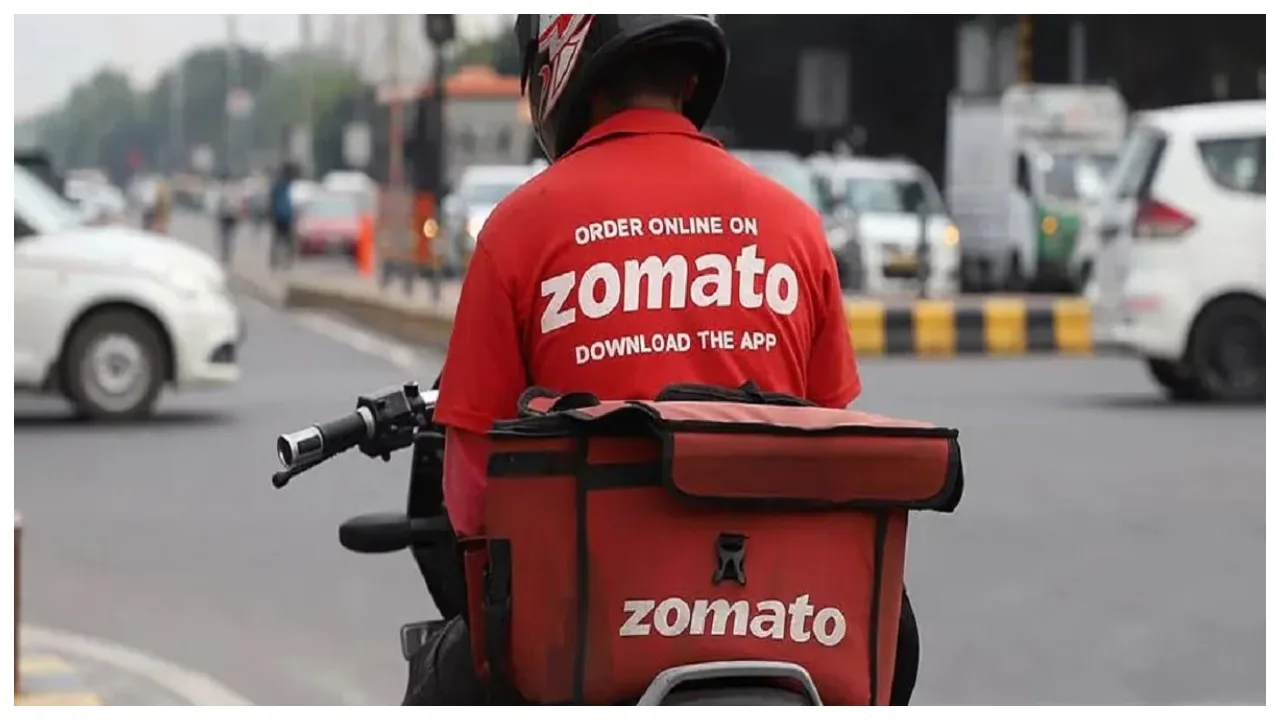
    Zomato Delivery Fee: The online food delivery service Zomato has increased the fee it charges users for food delivery by Rs 2.40 per order. This update was shared on the company’s app on Friday (March 20). The platform fee is now set at Rs 14.90 per order before GST, up from the previous Rs 12.50. In comparison, Zomato’s competitor Swiggy is currently charging Rs 14.99 as the platform fee per order, including tax.

    Both companies usually keep their pricing for these fees quite similar. A comparable increase was announced back in September 2025. Zomato’s decision to raise the fee comes during ongoing tensions in the Middle East. This additional charge will be separate from restaurant fees, delivery fees, and GST.

    The new platform fee is effective today, March 20th. This increase coincides with the tensions in the Middle East. Disruptions in LPG supplies have affected hotel and restaurant operations nationwide. As a result, the government has stopped supplying commercial LPG cylinders to domestic customers and is increasing the supply of domestic cylinders.

    This fee hike occurs at a time when the food delivery industry is undergoing daily changes. Urban mobility startup Rapido has recently introduced its food delivery service, Ownly, in Bengaluru, the capital of Karnataka. The company has announced that it will not impose any extra fees on customers or restaurants beyond the delivery charge.

    Rapido’s entry into the market may create some pressure on existing online food delivery services, especially as customers are becoming more vocal about the various fees associated with food delivery orders. This rise in platform fees also comes against the backdrop of increasing crude oil prices.

    The recent surge in fuel prices could affect delivery operations, impacting both restaurants and delivery partners on the platform. For users, this adjustment means a higher total cost per order, even as competition in this industry continues to evolve.

    Petrol prices also increased

    Meanwhile, oil marketing companies have increased the price of premium petrol. According to news agency ANI, premium petrol in India has become costlier by Rs 2.35, effective March 20, 2026. Prices of BPCL’s Speed, HPCL’s Power, and IOCL’s XP95 have increased by Rs 2.09 to Rs 2.35 per liter. However, there is currently no change in the price of regular petrol.

  • Digital Aadhaar Card– How to Download Aadhaar Card Using WhatsApp? Know the steps

    Digital Aadhaar Card– How to Download Aadhaar Card Using WhatsApp? Know the steps

    Digital Aadhaar Card: In the current digital era, Aadhaar has evolved beyond being merely an identity card; it has become a vital component of our everyday activities. Whether you’re opening a bank account, acquiring a new SIM card, or accessing benefits from a government program, Aadhaar is necessary everywhere. There are times when we urgently need a digital copy of Aadhaar but don’t have the physical card on hand.

    To solve this issue, the Indian government’s UIDAI and MyGov have introduced an excellent initiative. You no longer need to go to a cafe or spend hours navigating complex websites to download your Aadhaar. You can quickly obtain your e-Aadhaar through WhatsApp on your mobile device.

    What should you know before you begin?

    To use this service, you need to have three things:

    1. Your mobile number must be linked to your Aadhaar.

    2. You need to have an active DigiLocker account.

    3. You should have your 12-digit Aadhaar number ready.

    How to Download Aadhaar via WhatsApp?

    If you have the necessary items prepared, just follow these 7 simple steps:

    Step 1 (Save the number): First, save the MyGov HelpDesk number +91-90131-51515 in your phone contacts.

    Step 2 (Start Chat): Open WhatsApp and send “Hi”, “Namaste”, or “Aadhaar” to this number.

    Step 3 (Select Service): The chatbot will present you with several options. Click on “DigiLocker Services” here.

    Step 4 (Enter Identification): You will be prompted to enter your 12-digit Aadhaar number. Type it accurately and submit.

    Step 5 (OTP Verification): For security reasons, a 6-digit OTP will be sent to your registered mobile number. Enter this in the chat box.

    Step 6 (Select Aadhaar): Once verification is complete, the bot will show a list of documents available in your DigiLocker. Choose the “Aadhaar” option from the list.

    Step 7 (Get PDF): That’s all! Your e-Aadhaar will be sent to your WhatsApp as a PDF file in just a few seconds.

    How to open your file?

    This PDF file is password-protected for security reasons. A specific format is used to open it:

    > Format: First 4 letters of your name (in CAPITAL) + your year of birth.

    Example: If your name is SUMIT and year of birth is 1992, then password will be: SUMI1992.

    The major benefits of this feature

    The biggest advantage of getting Aadhaar through WhatsApp is that it’s completely free and doesn’t require downloading any separate app. Furthermore, this digital document issued through DigiLocker is completely legally valid. So, the next time you need your Aadhaar, don’t panic; just send a WhatsApp message and make your work easier.

  • Which Month Will Farmers Receive the 23rd Installment of ₹2000?

    Which Month Will Farmers Receive the 23rd Installment of ₹2000?

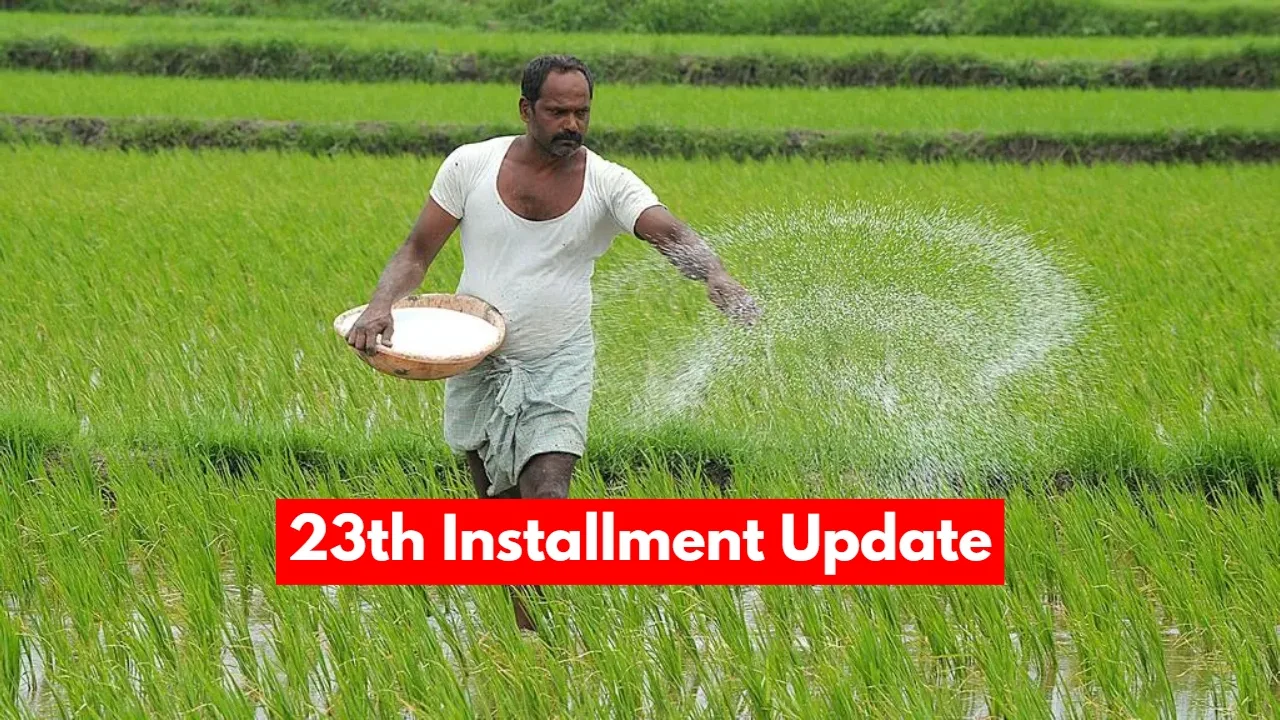
    New Delhi: The upcoming 23rd instalment of the PM Kisan Samman Nidhi scheme is expected to be transferred to beneficiaries’ accounts soon, serving as a welcome gift. The government is expected to release this instalment of ₹2,000 during the last week of July. More than 90 million farmers are likely to benefit from this installment.

    If you wish to avail the benefits of the upcoming instalment, you must complete a few essential tasks beforehand; otherwise, you may face difficulties. However, if your name is already registered under the scheme, there is no need to worry. To ensure a smooth process, please read this article carefully.

    Farmers: Complete These Tasks Immediately

    If you wish to receive the instalment benefits under the PM Kisan Samman Nidhi scheme without any hassle, you must take certain steps. First and foremost, farmers are required to complete their e-KYC verification. Additionally, farmers must undergo land verification. Furthermore, linking your Aadhaar card to your bank account is highly recommended to avoid any potential complications.

    The government released the 22nd instinstalment₹2,000 under this scheme on March 13, 2026. This installation benefits over 90 million farmers. Prime Minister Narendra Modi personally released this instalment scheme during a visit to the city of Guwahati in Assam.

    23th InstallMent

    Obtain a Farmer ID

    The government has now made it mandatory for farmers to obtain a ‘Farmer ID.’ This ID offers numerous benefits to farmers, such as timely access to subsidies on fertilisers. Additionally, it simplifies the process of filing crop insurance claims. Furthermore, it eliminates the need to repeatedly submit documents for various government schemes.

    Benefits of the Farmer ID

    To obtain a Farmer ID card, possession of an Aadhaar card is mandatory. It is also essential that your mobile number is linked to your Aadhaar card. Documents related to land ownership—such as *Khasra* or *Jamabandi* (land records)—are not required for this process.

    How ​​Many Instalments Are Received Annually?

    Under the PM Kisan Samman Nidhi scheme, the Central Government transfers a total of ₹6,000 annually to beneficiaries. This amount is disbursed in three instalments of ₹2,000 each. There is a gap of four months between each instalment. The government launched this scheme in the year 2019.

  • EPFO New Benefit: Get Free Insurance Cover Up to Rs 7 Lakh with PF, How?

    EPFO New Benefit: Get Free Insurance Cover Up to Rs 7 Lakh with PF, How?

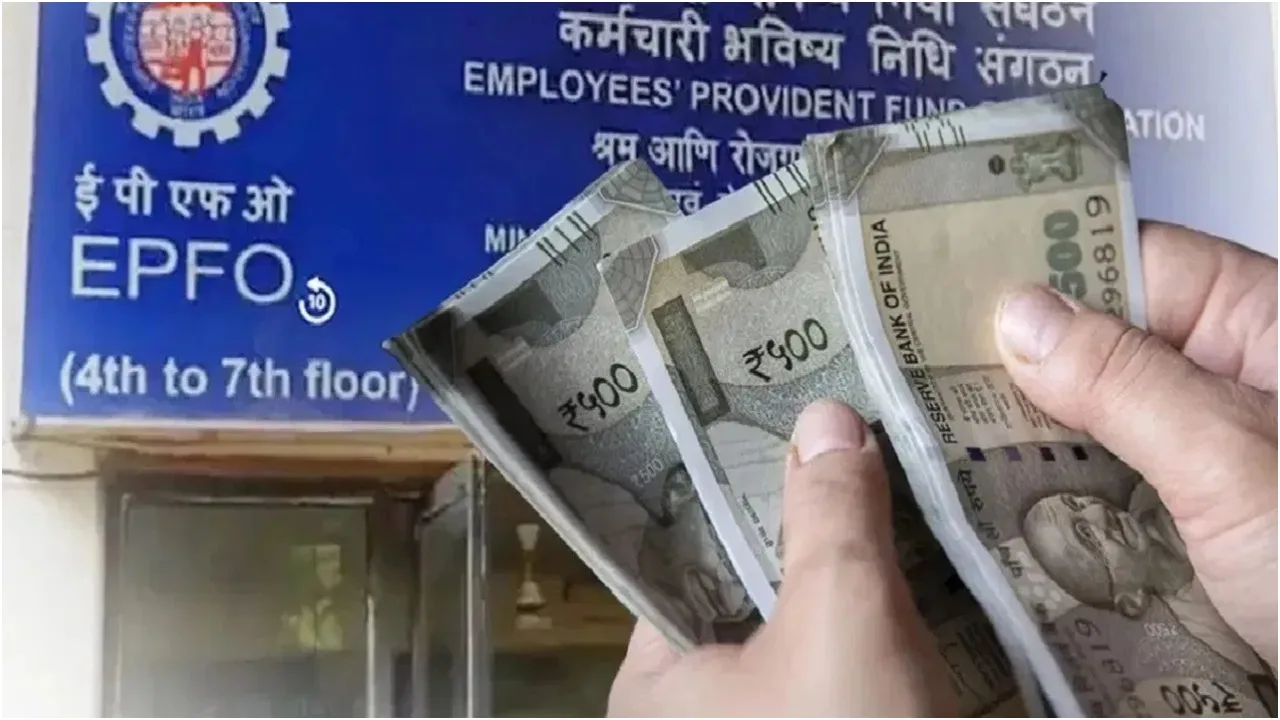
    EPFO: Many of us view our Provident Fund (PF) as a crucial source of savings, yet not everyone is aware that it also offers a complimentary safety net during tough times. The EPFO provides its members not just a pension or savings, but also free life insurance coverage up to Rs 7 lakh. This benefit is part of the EDLI (Employees’ Deposit-Linked Insurance) scheme.

    Obtain a protective shield at no cost

    The standout feature of this scheme is that it doesn’t require the employee to spend a single rupee. The entire insurance premium under the EDLI scheme is covered by your employer. Once your PF account is established, you are automatically enrolled in this insurance program. There’s no need to rush to fill out a separate application or form. The primary aim of this scheme is to safeguard an employee’s family from unexpected financial hardships in the event of an unfortunate incident while they are working.

    How is the Rs 7 lakh insurance amount calculated?

    Now, you might wonder how the insurance sum is determined. This calculation is entirely based on the employee’s salary. According to the guidelines, the employee’s basic salary and dearness allowance (DA) for the past 12 months are taken into account. The insurance coverage is calculated as 35 times the average salary. Additionally, a bonus of Rs 1.75 lakh is included in this total. The EPFO has established a maximum salary cap of Rs 15,000 for this calculation. When you multiply Rs 15,000 by 35, you get Rs 5.25 lakh. Adding the bonus of Rs 1.75 lakh brings the total to Rs 7 lakh. This is the highest amount available under this scheme.

    What steps should you take to file a claim?

    In the event that a PF account holder passes away while still employed, their nominee or legal heir is eligible to claim the funds. The process has been made easier. The nominee needs to fill out and submit EDLI Form 5 IF to the EPFO regional office. Required documents include a death certificate, Aadhaar card, bank account information, and proof of date of birth to accompany the claim.

    The comforting thing is that the EPFO ​​has relaxed the rules, allowing claims to remain unrejected even if the employee has spent a period of time without pay (a non-contributory period). The department strives to settle claims within 30 days. Any delays require the EPFO ​​to pay 12% annual interest to the claimant.

    Who gets the money?

    The nominee registered in the PF account has the first right to this money. If there is no nominee, your spouse (husband or wife), sons up to 25 years of age, or unmarried daughters can also claim it. Therefore, it is very important that you complete e-nomination in your PF account, so that in your absence, your family does not have to run around government offices and can easily receive their rights.

  • Free Ration- 3x Free Ration in April, Central Govt brings joy to middle class families

    Free Ration- 3x Free Ration in April, Central Govt brings joy to middle class families

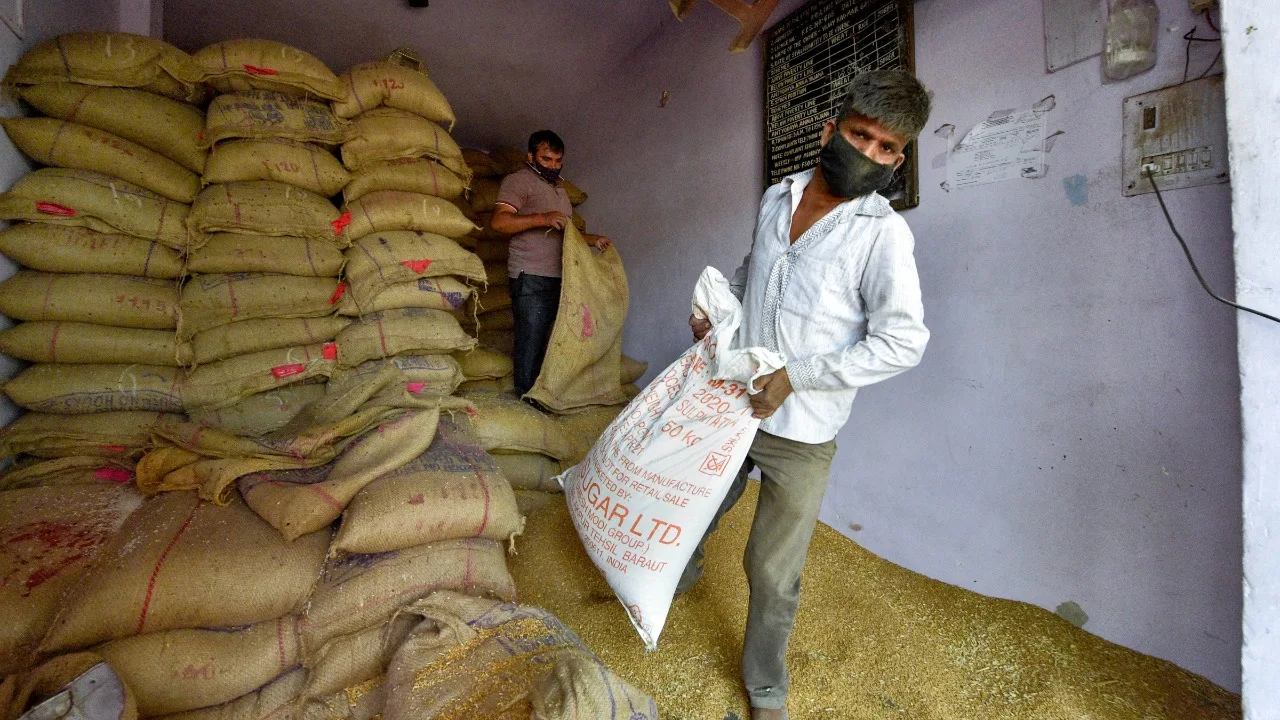
    Free Ration April: Big news for Ration Card holders. In New month you can get free ration from the government. Yes you’ve heard it right. The government offers free rations to everyone living below the poverty line. At the same time, the Narendra Modi administration has declared that it will distribute three times the usual amount of grain to all ration card holders across the nation for the month of April. This announcement was made by the central government’s Department of Food and Public Distribution.

    The social media platform X stated, “In April, all beneficiaries will receive rations for three months (April, May, and June 2026) in one go. Beneficiaries can pick up their rations from their nearest ration shop at the designated time.” The government has yet to provide a specific explanation for this.

    41 lakh fake ration cards removed

    Earlier on Tuesday, the government informed Parliament that 41.41 lakh ineligible ration cards were removed in 2025. Minister of State for Food Nimuben Jayantibhai Bambhania reported to the Rajya Sabha that the largest number of ineligible ration cards were removed in Haryana (approximately 13.43 lakh), followed by Rajasthan (6.05 lakh), Uttar Pradesh (5.97 lakh), West Bengal (3.74 lakh), and Madhya Pradesh (2.60 lakh).

    In a written response to a query, Bambhaniya mentioned that due to the implementation of technology in the Public Distribution System (PDS), all states and Union Territories have successfully eliminated ineligible ration cards to guarantee access for genuine beneficiaries.

    He noted that a total of 41.41 lakh fake ration cards will be removed in 2025, compared to 48.85 lakh in 2024 and 41.99 lakh in 2023. Bambhaniya added that as part of ongoing reforms in the PDS, ration card and beneficiary data has been fully digitized across all states and Union Territories.

    Nearly all Fair Price Shops (FPS) in the country have been automated with the installation of electronic “Point of Sale” (EPOS) devices for the distribution of food grains. Further, 99.2 per cent beneficiaries have been seeded with Aadhaar and 98.75 per cent foodgrain distribution is being done through digital authentication including Aadhaar based biometrics. “Digitisation of PDS is being done with the aim of increasing efficiency and transparency, ensuring access to genuine beneficiaries and addressing issues like food grain theft etc,” the Minister said.


  • 8th Pay Commission: How to Submit Feedback on MyGov Portal? See Here

    8th Pay Commission: How to Submit Feedback on MyGov Portal? See Here

    8th Pay Commission: In a significant decision, the 8th Pay Commission has extended the deadline for responding to the suggestions sought through an 18-point questionnaire. This deadline has been extended by 15 days to March 31, from the previous March 16.

    The extension means that central government employees, pensioners, and other beneficiaries will have more time to share their views on the 8th Pay Commission’s policies, which are currently under development. Beneficiaries can respond to all 18 questions until March 31, 2026. The feedback received by the Central Pay Commission will help determine the salary structure, allowances, and policies for central government employees and pensioners under the 8th Pay Commission.

    8th Pay Commission Questionnaire Link

    Here is the link to answer the 18-point questionnaire of the 8th Pay Commission — https:///www.mygov.in/mygov-survey/8th-central-pay-commission-questionnaire/ Interested and eligible candidates can log in using their mobile number or email and OTP.

    Who can give suggestions to the 8th Pay Commission?

    The official website of the 8th CPC provides a complete list of individuals who can submit their suggestions to the government through the 8th Pay Commission’s 18-point questionnaire. The website states that the deadline for responses is Tuesday, March 31, 2026. All responses must be submitted through the MyGov portal. The Commission will not consider written responses, emails, or PDF files. Here is the complete list of individuals and organizations who can participate in the 8th Pay Commission survey:

    employees of ministries and departments,
    Employees of Union Territories,
    Judicial officers, officers/employees of courts, members of regulatory bodies,
    Associations or unions of serving or retired employees, pensioners, researchers, academicians, and
    Authorised/designated nodal/sub-nodal officers of Ministries, Departments, Union Territories and Offices.

    How to submit your responses online?

    People or organizations who wish to submit their recommendations regarding the 8th Pay Commission can do so by visiting https:///www.mygov.in/mygov-survey/8th-central-pay-commission-questionnaire/. People will need to log in or sign up using their mobile number or email ID, and then enter a 6-digit OTP to begin. They can then provide their responses and opinions on the 18-point questionnaire and submit their answers. According to the 8th CPC website, respondents will be anonymous, and questionnaire responses will be analyzed in aggregate, without revealing any identities.

    The Narendra Modi-led government first announced the 8th Pay Commission in January 2025. A few months later, on November 3 last year, the Finance Ministry formally notified it. Furthermore, the government has already approved the Terms of Reference (ToR), giving the 8th CPC an 18-month deadline to submit its recommendations for revising the salaries, pensions, and other allowances of central employees and pensioners. The 8th Pay Commission is chaired by Justice Ranjana Prakash Desai, with Professor Pulak Ghosh and Pankaj Jain serving as the other two members. The 8th Pay Commission’s policies are expected to be implemented from January 1, 2026, in line with the standard 10-year revision cycle.

  • PAN Card for Children-Step-by-Step Process, Eligibility, Documents Required

    PAN Card for Children-Step-by-Step Process, Eligibility, Documents Required

    Minor PAN Card: Did you know that, similar to Aadhaar, a PAN card can also be obtained for children? If you’re planning to make significant investments in mutual funds, stocks, or fixed deposits in your child’s name, acquiring a PAN card for them becomes essential. Additionally, a PAN card is beneficial for government initiatives like Sukanya Samriddhi and for claiming scholarships. Now, let us inform you that obtaining a PAN card for children is quite simple, and you won’t even need to step out for this.

    You can apply for a child’s PAN card right from the comfort of your home using your phone. The process will only cost you 107 rupees, and with the right documents, everything can be completed online.

    What documents do you need?

    To secure a PAN card for your children, several documents are required. Make sure to have them ready in PDF or JPEG format on your phone. You will need to collect the following documents:

    Child’s Birth Certificate: This is the most crucial document for age verification.
    Child’s Aadhaar Card: The Aadhaar card is mandatory for the online application.
    Mother/Father’s Aadhaar Card: The Aadhaar card of either parent is also necessary as proof of identity and address.
    Guardian’s Signature: The application form will be signed by the mother or father instead of the child.
    Two passport-sized photos: A photo of the child is needed for the application. However, this photo is not printed on the card; it is only used when the card is updated upon reaching the age of 18.

    How to apply for a children’s PAN card?

    You can learn how to apply for a PAN card for children in just a few steps. For this, you can visit the NSDL or UTIITSL website. We will guide you through the steps to apply for a PAN card via NSDL.

    Step 1: Visit the official website of NSDL and click on Apply Online.
    Step 2: Select New PAN – Indian Citizen (Form 49A) as the application type and select Individual in the category.
    Step 3: Now you will have to fill in your child’s details, such as choose ‘Kumari’ or ‘Shri’ in the title. Enter the child’s name, date of birth, email ID and mobile number. After this, a ‘Token Number’ will be generated, note it down.
    Step 4: While filling out the form, when asked whether you are a minor, i.e., under 18 years of age, tick ‘Yes’. Here you will have to fill in the details of the Representative Assessee, i.e., the mother or father.
    Step 5: Now upload the child’s documents such as birth certificate, Aadhaar card, and parent’s Aadhaar card.
    Step 6: Now pay the fee of Rs 107 using net banking or debit card.
    Step 7: Finally, as the guardian or parent, complete the e-KYC process through Aadhaar using OTP.
    Step 8: Finally, download the receipt.

    If for some reason you have chosen the option of Physical Documents i.e. Forward application documents physically while filling the form, then you will have to:

    A printout of the application form must be taken.
    The child’s photo will have to be pasted on it and signed by the mother or father.
    Along with this, photocopies of necessary documents like Aadhar, Birth Certificate etc. will have to be attached and speed posted to the address of NSDL or UTIITSL office in Pune/Mumbai.
    However, in the era of e-KYC, most people choose only the online verification method, through which the child’s PAN card is delivered to the home address within a few days.

  • EPFO- Private Employees to Get Pension, How Much You Could Receive?

    EPFO- Private Employees to Get Pension, How Much You Could Receive?

    Pension Update: Big news for pensioners. For millions of employees in the private sector, the EPFO’s Employees’ Pension Scheme (EPS) serves not only as an investment but also as a crucial safety net after retirement. While employees typically grasp the PF deductions reflected in their passbooks, they often find themselves perplexed about the amount recorded in the pension column and the associated terms.

    What makes EPS significant for employees?

    The private sector lacks the same pension advantages as government positions, making the EPFO’s EPS-95 scheme a valuable resource. When an employee contributes to the PF during their employment, a portion of that contribution is allocated to the pension fund. This fund then provides a source of monthly income post-retirement. Nevertheless, many employees are uncertain about when they will access these funds and how the calculations are made. The primary goal of EPS is to guarantee financial independence in later years.

    Two crucial criteria for pension eligibility

    To qualify for a monthly pension under the EPS, you must fulfill two essential legal criteria. You need to have a minimum of 10 years of pensionable service to be eligible for a monthly pension. It’s vital to remember that if you switch jobs, you should transfer your PF funds rather than withdraw them. Withdrawing before completing 10 years resets your service history to zero, making you ineligible for a lifetime pension. The typical age to start receiving the full pension under EPS is 58 years. However, in certain situations, you can access your pension even after reaching 50, though the conditions differ.

    Understanding the funds in your pension account

    12% of an employee’s basic salary and DA is directed into the pension fund, with the employer matching this contribution. However, from the employer’s 12% contribution, 8.33% is directly allocated to the EPS (Employment Provident Fund) account.

    Currently, the maximum limit for pensionable salary is set at Rs 15,000. This means that even if your salary is Rs 1 lakh, your contribution to the pension fund will be calculated at 8.33% of Rs 15,000, or Rs 1,250. This is why even those with high salaries cannot exceed their EPS pension. When you start your pension directly impacts your monthly amount. If you start after the age of 50 but before 58, it’s considered a premature pension. This reduction involves a 4% reduction in your pension amount each year. This reduction is permanent.

    Benefits of Deferred Pension

    If you don’t start your pension after 58 and postpone it until age 60, the EPFO ​​provides you with an additional 4% bonus per year. This means that starting your pension at age 60 could result in approximately 8% more monthly benefits. If an employee leaves their job or withdraws their entire PF balance before completing 10 years of service, they are no longer entitled to a monthly pension. In such cases, the EPFO ​​offers a withdrawal benefit. This amount is determined based on a specific service table and is calculated by multiplying the years of service by the salary.

    This lump sum is much smaller and temporary than a lifetime monthly pension. The EPS pension is your future support. Therefore, whenever you change jobs, always obtain a pension scheme certificate or keep updating your service history through your UAN. Completing 10 years of service and remaining patient until the age of 58 can ensure a respectable pension.