Category: Business

Stay ahead of the curve in India’s dynamic financial landscape with Timesbull. We deliver real-time updates and in-depth analysis on Indian business, finance, and the stock markets. Get the latest BSE/NSE news, ensuring you’re always informed about market movements.

Track the pulse of the Indian economy with our comprehensive coverage of Sensex and Nifty updates. Timesbull provides crucial personal finance insights to help you manage your money effectively and make informed investment decisions.

Beyond breaking news, we offer expert market analysis and insightful perspectives on economic trends shaping India and the global economy. Whether you’re a seasoned investor, business professional, or just starting to manage your finances, Timesbull is your trusted source.

Rely on Timesbull for accurate, timely, and insightful business and finance news, empowering you to navigate the complexities of the Indian market with confidence. Visit Timesbull today to unlock your financial potential.

  • PM Kisan Samman Nidhi Scam Alert, How to Stay Safe, Know

    PM Kisan Samman Nidhi Scam Alert, How to Stay Safe, Know

    New Delhi: Amidst the rapid pace of changing times, instances of fraud are constantly on the rise. One never knows when a fraudster might strike and swindle you. The escalating frequency of fraudulent incidents—often bordering on the unimaginable—has made it increasingly difficult to place one’s trust in reality. Are you aware that farmers enrolled in the PM Kisan Samman Nidhi scheme are also falling victim to such fraudulent activities?

    Farmers associated with this scheme must take precautions to protect themselves from fraud, which requires an understanding of certain essential details. Essentially, under the PM Kisan Samman Nidhi scheme, the Central Government disburses an instalment of ₹2,000 every four months. How, exactly, was fraud perpetrated in the name of this scheme? You can find the full details of this case in the article below. Please read the article carefully to learn more.

    How ​​Fraud Was Committed in the Name of This Scheme

    A case of fraud committed in the name of the PM Kisan Samman Nidhi scheme has come to light in Bareilly, Uttar Pradesh. A fraudster sent a message via WhatsApp and siphoned off a substantial sum of money from a farmer’s bank account. Ashok Kumar, a resident of Azad Nagar in Bareilly, received an APK file via WhatsApp from someone claiming to be associated with the PM Kisan scheme.

    The fraudster instructed the individual to download the file. The moment the farmer downloaded the file, control of his mobile phone was seized by the scammer. Within just a few minutes, a total of ₹72,400 was withdrawn from three different bank accounts belonging to Ashok Kumar. He was left utterly shell-shocked upon discovering this.

    How ​​to Protect Yourself from Online Fraud

    If someone shares a link with you on WhatsApp—claiming it is related to a government scheme—never click on such a link. Furthermore, refrain from clicking on files, photos, or messages received from unknown numbers. For further information or assistance, you can directly contact the official PM Kisan scheme helpline number: 155261.

    Another Important Point to Note

    If, for any reason, you receive a message regarding e-KYC verification or other administrative tasks related to the scheme, you must exercise caution. In such situations, you should first verify the authenticity of the message. You should strictly avoid clicking on the message itself or on any links embedded within it. Additionally, for tasks such as KYC, you can visit your nearest CSC centre, or you can complete these tasks yourself using the app or the official website, pmkisan.gov.in.

  • PNG Gas Connection in 7 Days, Know Easy Online Application Process

    PNG Gas Connection in 7 Days, Know Easy Online Application Process

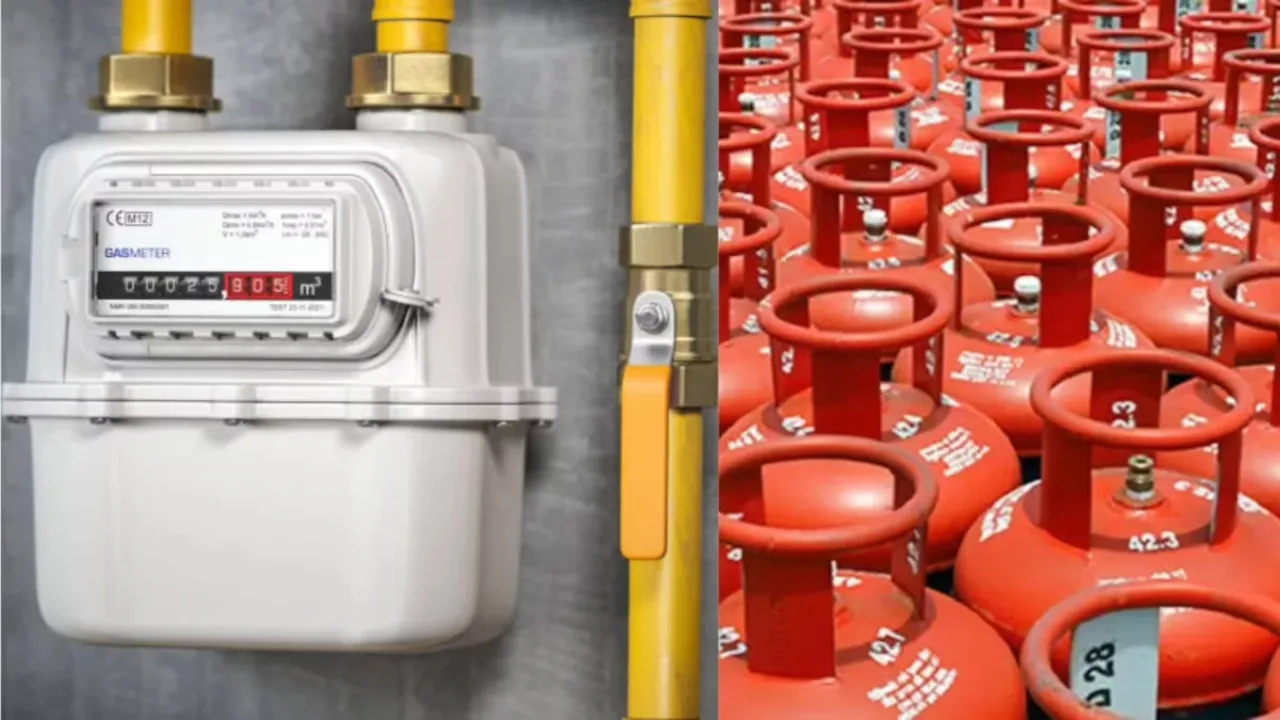
    PNG: In light of the LPG cylinder shortage in the country caused by tensions in the Middle East, the government has made a significant decision. They have now mandated that any new PNG connection must be approved within seven days. This initiative is designed to motivate more individuals to transition from LPG to PNG.

    Recent reports indicate that the demand for PNG connections has surged rapidly, with a substantial number of new connections being granted in a brief timeframe. Most notably, you no longer need to go anywhere to obtain a PNG connection. You can conveniently apply online from the comfort of your home using your mobile device. To do this, simply visit the gas company’s website or app, input your details, and upload the necessary documents.

    What documents are needed for a PNG connection?

    To secure a PNG connection, you will need one of the following identification documents: an Aadhaar card, PAN card, voter ID, or passport. Additionally, for address verification, you will need documents such as an electricity bill, telephone bill, ration card, or property tax receipt. If you reside in a rented property, you must also provide the landlord’s NOC and the rent agreement. Don’t forget to prepare a passport-size photo in either PDF or JPEG format.

    How to apply for PNG online?

    The online application process is quite straightforward. First, go to the company’s website or app and select the “Apply Online” option. Then, choose “Domestic PNG Connection” and check if the service is available in your area by entering your PIN code. If a pipeline is accessible in your locality, complete the registration form and upload the required documents. After that, you will need to pay a security deposit, which usually falls between ₹5,000 and ₹7,000. Once the payment is made, you will receive an application number or reference number, which you can use to track the status of your application.

    There is a slight difference in the application process for PNG connection in different companies. Some companies collect the fee at the time of application itself, while some provide the option of payment later. Many companies also provide the facility of paying the security deposit in installments.

    For verification, in some places, the process is completed immediately through Aadhar based e-KYC, while some companies send a survey team to the house to verify the documents. Only after this, the work of laying the pipeline is started.

  • Bhagya Lakshmi Yojana: Get Rs 2 Lakh Benefit—Full Details Here

    Bhagya Lakshmi Yojana: Get Rs 2 Lakh Benefit—Full Details Here

    Bhagya Laxmi Yojana: Changing perceptions about daughters are gaining traction, and governments are stepping up to support this shift. Various programs are being introduced to alleviate the financial burdens of education and marriage. One notable initiative in Uttar Pradesh is the Bhagya Lakshmi Yojana, which aims to provide financial assistance to families and ensure a secure future for their daughters.

    The Uttar Pradesh Bhagya Lakshmi Yojana offers immediate financial support to families upon the birth of a daughter, helping to ease the future costs associated with her education and marriage. A unique aspect of this program is that the financial aid is distributed in small installments.

    Now, let’s explore who this scheme targets. It is specifically tailored for families living below the poverty line (BPL). Families with limited financial resources benefit from this initiative. The government aims to change the perception of daughters from being seen as a burden to being viewed as a responsibility and a source of pride.

    Understanding the advantages of the scheme is crucial. A bond of Rs 50,000 is granted at the birth of a daughter, which accumulates to around Rs 2 lakh by the time she turns 21. Additionally, the mother receives Rs 5,100 in support. Financial assistance is also provided as the daughter advances in her education, ensuring her learning journey remains uninterrupted.

    Tuition fees can be quite significant. Families receive Rs 3,000 for sixth grade, Rs 5,000 for eighth grade, Rs 7,000 for tenth grade, and Rs 8,000 for twelfth grade. This support ensures that families receive assistance at every educational stage, allowing the daughter’s education to proceed without disruption.

    Now, let’s clarify the eligibility requirements. Only daughters born after March 31, 2006, are eligible for this scheme, provided their family qualifies as BPL. A maximum of two daughters per family can take advantage of this program. Moreover, the daughter must not be married before reaching the age of 18. The application process for the scheme is not too complicated. You simply download a form from the official website. Fill it out and submit it along with the required documents to an Anganwadi center or the Women and Child Development office. After verification, you begin receiving benefits.

  • EPFO Rule: No PPO Number, No Pension? Pension Rules You Must Know

    EPFO Rule: No PPO Number, No Pension? Pension Rules You Must Know

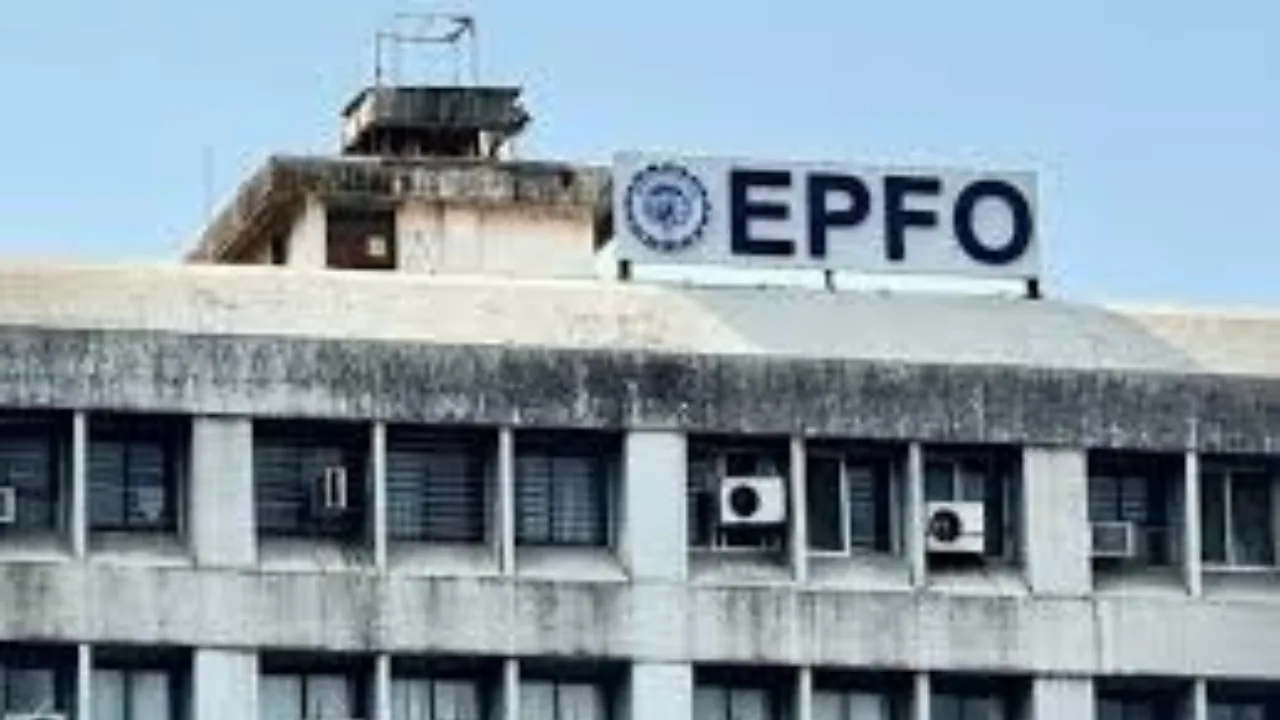
    EPFO Rule: If you are currently employed or approaching retirement, you have probably come across the PPO number. Many individuals tend to forget it after jotting it down in their diary, assuming it is just a simple figure. However, for pensioners, this number holds more significance than their Aadhaar card. Its complete designation is Pension Payment Order (PPO). This number serves as a crucial identification for retired individuals who are receiving a pension under the Employees’ Pension Scheme (EPS). It is overseen by the Employees’ Provident Fund Organization (EPFO).

    This 12-digit number is vital for tracking your pension, updating records, or lodging complaints. It is regarded as your pension identification number; without it, the EPFO will be unable to determine how much pension to disburse to you and which bank account to credit. If you have misplaced your PPO number or have not received your PPO document, you can recover it through online or offline methods.

    PPO number required

    To carry out any pension-related tasks with the EPFO or your bank, you will need your PPO number. This is necessary when you submit your life certificate. It is also required to check the status of your pension. Additionally, the PPO number is essential for transferring your pension account. If you wish to file a complaint regarding your pension account or make any amendments, you will need the PPO number for all these activities.

    How to find your PPO number?

    If you are nearing retirement or are already receiving a pension, obtaining your PPO number is quite straightforward. Once your pension is sanctioned, your employer or the EPFO office will provide you with a hard copy of the PPO document. Your PPO number will be prominently displayed at the top of this document. In case you have lost it or did not receive it initially, you can retrieve your PPO number through both online and offline channels.

    How can you obtain your PPO number online?

    1. Using the EPFO Pensioners Portal

    Go to the official EPFO pensioners’ portal. In the section labeled “Know Your PPO Number,” input your registered bank account number or EPS member ID. If your information aligns with the EPFO records, your PPO number will be shown right away.

    2. Through the UMANG app

    The UMANG (Unified Mobile Application for New-Age Governance) app provided by the government makes it easy. After logging in, navigate to ‘EPFO’ Services, then ‘Pensioner Services,’ and choose ‘Know Your PPO Number.’ You can obtain your PPO number by entering your Aadhaar or the bank account details linked to your pension.

    3. Using DigiLocker

    EPFO has introduced the option to download your PPO certificate via DigiLocker as part of the Digital India initiative. Download the DigiLocker app or go to digilocker.gov.in. Sign up and connect your Aadhaar (ensure that the mobile number linked to your Aadhaar is active for OTP verification). Look for “Employees Provident Fund Organisation” in ‘Issued Documents’ and enter your PPO number along with the last four digits of the bank account associated with your pension. After verification, your PPO certificate will be generated directly from the EPFO records.

    How to obtain your PPO number offline?

    If online methods aren’t your preference, you can visit a branch of your pension-paying bank. Provide the bank official with the savings account number associated with your pension. They will be able to retrieve your PPO number from their system and provide it to you.

    Will the pension be stopped if the PPO number is lost?

    Losing this number won’t stop your pension, but it can certainly hinder pension-related work. Your bank account is linked to your pension account, and payments are automatic. However, you may encounter difficulties getting some work done, such as submitting your pension certificate or making updates to your pension account. However, you can also find this number on your pension slip or pension passbook. If you don’t have this document, you can obtain it online.

  • Train Cancelled –Several Trains on this Routes Cancelled for 45 Days – Details Inside

    Train Cancelled –Several Trains on this Routes Cancelled for 45 Days – Details Inside

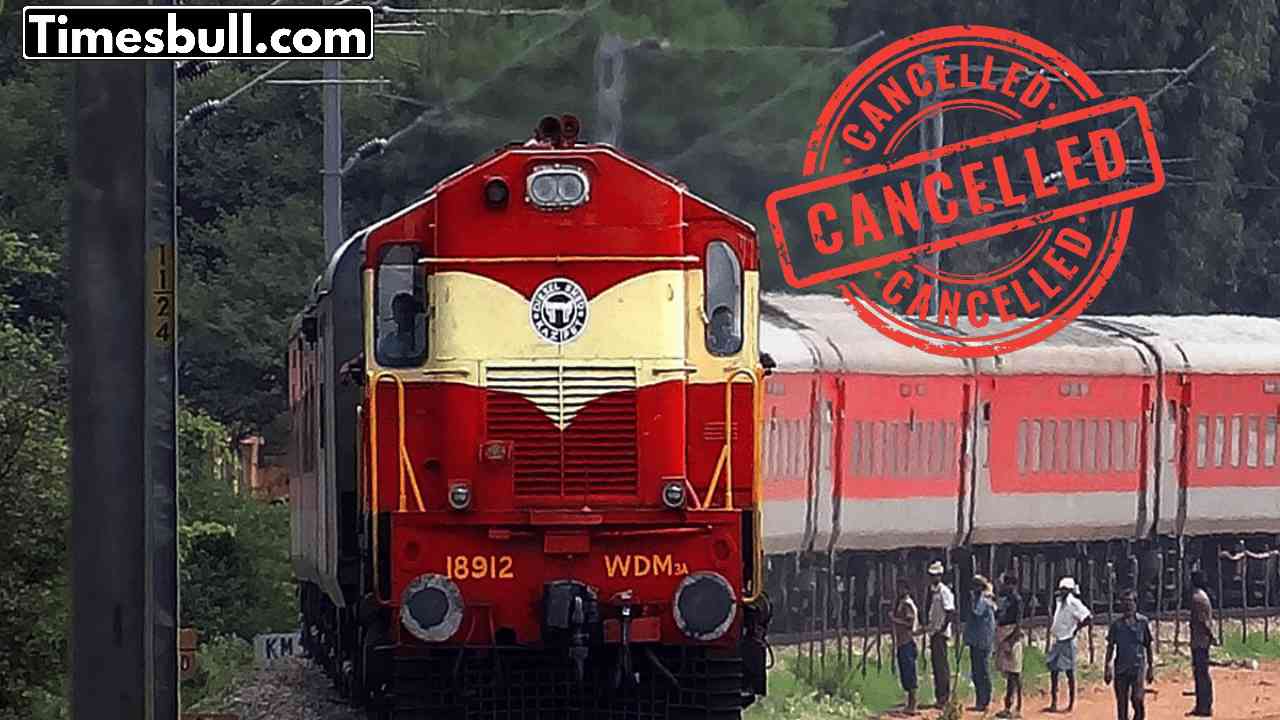
    Train Cancelled: Every day, millions of passengers travel by train throughout the country. In this context, even a minor update regarding trains can greatly affect people’s journeys. Recently, significant news has surfaced for travelers in Uttar Pradesh. The railway authorities are set to implement a mega block to enhance the track on the Ganga Bridge.

    As a result of this work, numerous trains on the Kanpur route will be impacted from April 1 to May 14. During this timeframe, around 18 MEMU and passenger trains will be entirely canceled for a duration of 42 to 43 days. Therefore, if you are planning to travel on this route, it is advisable to check your train status ahead of time to prevent any last-minute inconveniences.

    The cancellations of trains are due to this situation

    The cause of these train cancellations is not a trivial matter. It stems from extensive track repair work currently underway. A mega block is being executed to reinforce the railway track on the Ganga Bridge, which will ensure safer and smoother travel in the future. Consequently, several trains on the Kanpur route will be suspended from April 1st to May 14th.

    Due to this railway decision, approximately 18 MEMU and passenger trains will be canceled for 42 to 43 days. Railway officials have stated that this decision was made with passenger safety as a priority. While this may lead to temporary inconvenience, it is anticipated to facilitate easier and safer travel in the long term.

    List of cancelled trains

    Veerangana Laxmibai Jhansi-Lucknow MEMU (Cancelled from April 2 to May 13)

    Lucknow-Veerangana Laxmibai Jhansi MEMU (Cancelled from April 2 to May 13)

    Kanpur Central – Rae Bareli Passenger (Cancelled from April 2 to May 13)

    Rae Bareli-Kanpur Central Passenger (Cancelled from April 2 to May 13)

    Kanpur Central – Lucknow MEMU (Cancelled from April 2 to May 13)

    Uttaretia-Kanpur Central MEMU (Cancelled from April 3 to May 14)

    Prayagraj Sangam – Anwarganj Passenger (Cancelled from April 2 to May 13)

    Anwarganj-Prayagraj Sangam Passenger (Cancelled from April 2 to May 13)

    Sitapur City – Kanpur Central Passenger (Cancelled from April 1 to May 12)

    Kanpur Central – Sitapur City Passenger (Cancelled from April 2 to May 13)

    Lucknow-Kasganj Passenger (Cancelled from April 2 to May 14)

    Kasganj-Lucknow Passenger (Cancelled from April 1 to May 13)

    Lucknow-Kanpur Central MEMU (Cancelled from April 2 to May 14)

    Kanpur Central – Lucknow MEMU (Cancelled from April 1 to May 13)

    Veerangana Laxmibai Jhansi-Lucknow Intercity (Cancelled from April 2 to May 13)

    Lucknow-Veerangana Laxmibai Jhansi Intercity (Cancelled from April 2 to May 13)

    Prayagraj Sangam – Kanpur Central Express (Cancelled from April 2 to May 13)

    Kanpur Central – Prayagraj Sangam Express (Cancelled from April 2 to May 13)


  • FASTag- Get Rs 1000 FASTag Recharge, Click Just Photo & Win Reward

    FASTag- Get Rs 1000 FASTag Recharge, Click Just Photo & Win Reward

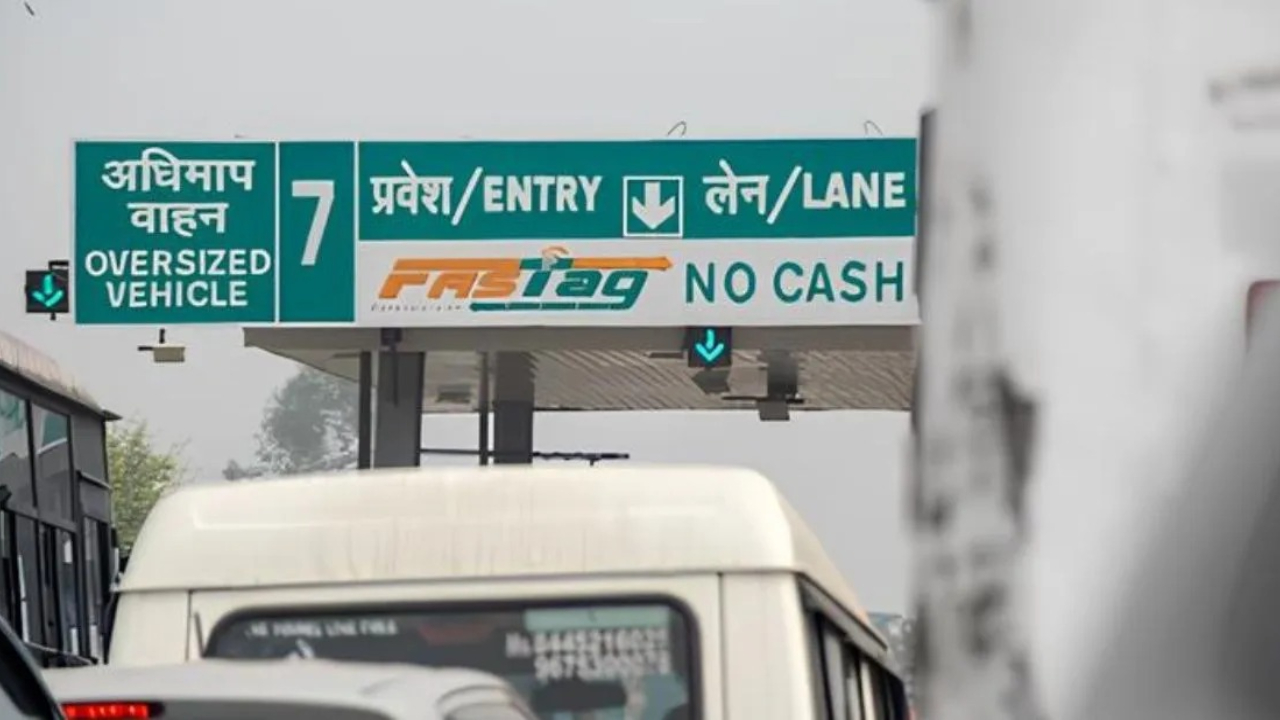
    FASTag Recharge: Cleanliness at toll plazas poses a significant challenge during road travel. To address this issue, the Ministry of Road Transport and Highways (MoRTH) has introduced a unique initiative. According to the government, if a driver encounters a dirty toilet at any toll plaza, they can take a photo of it with their phone and receive Rs 1,000 in Fastag credit.

    What is this scheme?

    This initiative, part of the Clean Toilet Picture Challenge, motivates travelers to report unsanitary conditions at toll plazas. All you need to do is snap a photo and upload it through the Rajmargyatra app. The government assures that this is not a scam, but a legitimate rewards-based program aimed at enhancing sanitation. The Clean Toilet Picture Challenge has been extended by the central government until June 30 of this year.

    How to get the reward?

    If you upload a photo of a dirty toilet to the app and the report is verified as accurate, you will receive a FASTag credit of Rs 1,000. This amount will be credited directly to your FASTag account, which can be used for toll payments. However, the FASTag recharge reward will be credited to the linked Vehicle Registration Number (VRN) within five days of validation.

    What is the objective of this initiative?

    The main goal of this initiative is to enhance cleanliness and improve the user experience at toll plazas. The government encourages public participation in this campaign to help identify and report unsanitary conditions.

    Why is it special for travelers?

    This initiative is advantageous for travelers as it ensures they have access to clean facilities. It simplifies the process for passengers to report dirty restrooms while also providing an opportunity to earn rewards from the government.

  • Train Ticket Cancellation Rule Changed- No Refund if Cancelled Within 8 Hours, New Rules issued

    Train Ticket Cancellation Rule Changed- No Refund if Cancelled Within 8 Hours, New Rules issued

    Train Ticket Cancellation Rule Changed: There will be significant updates to the rules regarding train ticket cancellations. If you cancel your ticket within 8 hours of the train’s departure, you will not be eligible for a refund. Cancellations made between 8 and 24 hours will incur a 50% deduction, while those made between 24 and 72 hours will see a 25% deduction.

    If you cancel more than 72 hours in advance, you will receive a full refund according to the previous rules. Moreover, offline tickets can now be canceled from any location; this option was previously restricted to the terminating station only. Additionally, you can modify your travel details up to 30 minutes before the train departs. All these changes will be implemented between April 1st and 15th.

    Furthermore, you now have the option to change your boarding station up to 30 minutes before your train’s departure, which is particularly useful for those caught in traffic or delays. This feature was previously only available before the chart preparation, but it has now been enhanced for convenience and digitization. You can also switch your class if necessary, such as moving from 3rd AC to 2nd or Sleeper.

    New facility to change boarding point

    In a major relief to passengers, the Railways has amended the rules for changing boarding stations. Passengers can now change their boarding points up to 30 minutes before the train’s scheduled departure time. This feature will be especially beneficial for passengers living in large cities with multiple railway stations.

    What was the rule earlier?

    Until now, the facility to change boarding stations was only available until chart preparation. However, with the new rules in place, passengers will be able to avail this facility until the last minute, making travel more convenient. According to Railway Minister Ashwini Vaishnav, this change is also aimed at curbing ticket touts. Many touts used to book large numbers of tickets, only to later cancel them and profit from refunds. The new rules will curb such activities. These new rules will provide greater flexibility for travelers and increase transparency in the ticket booking system. However, late ticket cancellations may now incur greater losses.

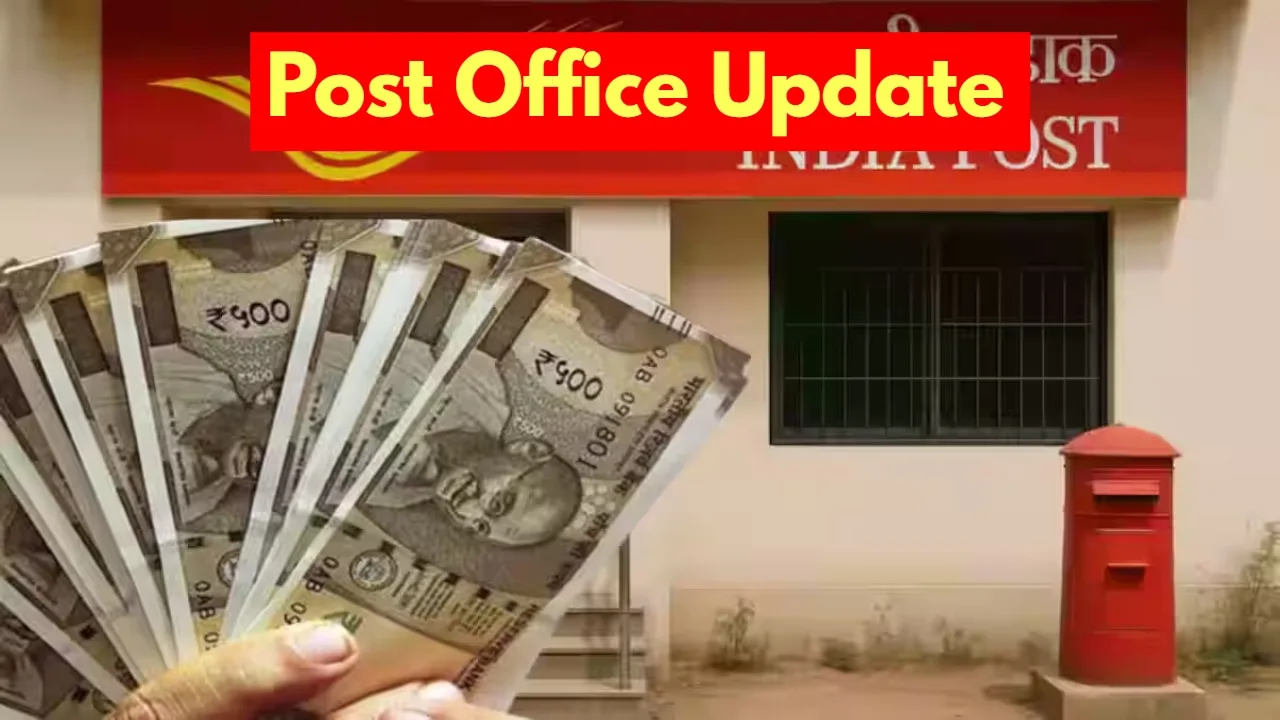
  • Post Office Update – Get Bumper Returns on an Investment of ₹2 Lakhs at the Post Office! Know Details

    Post Office Update – Get Bumper Returns on an Investment of ₹2 Lakhs at the Post Office! Know Details

    Post Office Savings Schemes: The Post Office is an institution where individuals can join various schemes to earn decent returns without facing any hassles. The Post Office offers attractive interest rates on its savings schemes.

    In addition to a standard savings account, you can also choose to invest in a wide range of savings schemes such as TD (Time Deposit), RD (Recurring Deposit), MIS (Monthly Income Scheme), SCSS (Senior Citizen Savings Scheme), and PPF (Public Provident Fund). By opening an account in these schemes and making an investment, you can earn excellent interest returns. Here, we will tell you about the Time Deposit, or TD.

    This scheme functions similarly to a Bank Fixed Deposit (FD). It offers a fixed, guaranteed interest rate along with the return of your entire principal amount upon the completion of a specific tenure. If you were to invest ₹2 lakh for a period of 12 months, you can find out exactly how much interest you would earn in the section below.

    How ​​Much Return Will You Get from the Post Office in 2 Years?

    If you open a Fixed Deposit account at the Post Office for a tenure of 1 year, 2 years, 3 years, or 5 years, you will earn attractive interest. At the Post Office, these accounts are opened under the name “Time Deposit.” Furthermore, these schemes operate directly under the control of the Government of India.

    The Post Office currently offers an interest rate of 6.9% on a 1-year TD, 7.0% on a 2-year TD, 7.1% on a 3-year Time Deposit, and 7.5% on a 5-year TD. This ensures a hassle-free experience and guarantees substantial returns upon maturity.

    How ​​Much Interest Will You Earn on a Deposit of ₹2,00,000?

    If you deposit ₹2,00,000 into a 12-month Time Deposit scheme at the Post Office, you will receive a total return of ₹2,14,161 upon maturity. This total includes an interest component of ₹14,161. Currently, a 5-year TD account at the Post Office offers an interest rate benefit of 7.5%. No other bank in the country is currently offering such a high interest rate.

    It is important to note that under the Post Office Term Deposit (TD) scheme, customers across all age groups receive equal interest benefits. In banks, however, senior citizens receive an interest rate that is 0.50 per cent higher than that offered to general citizens. Furthermore, several banks appear to be offering even higher interest rates to customers aged over 80 years.

  • RBI New Rule for Online Payments from April 1, Everyone Must Know

    RBI New Rule for Online Payments from April 1, Everyone Must Know

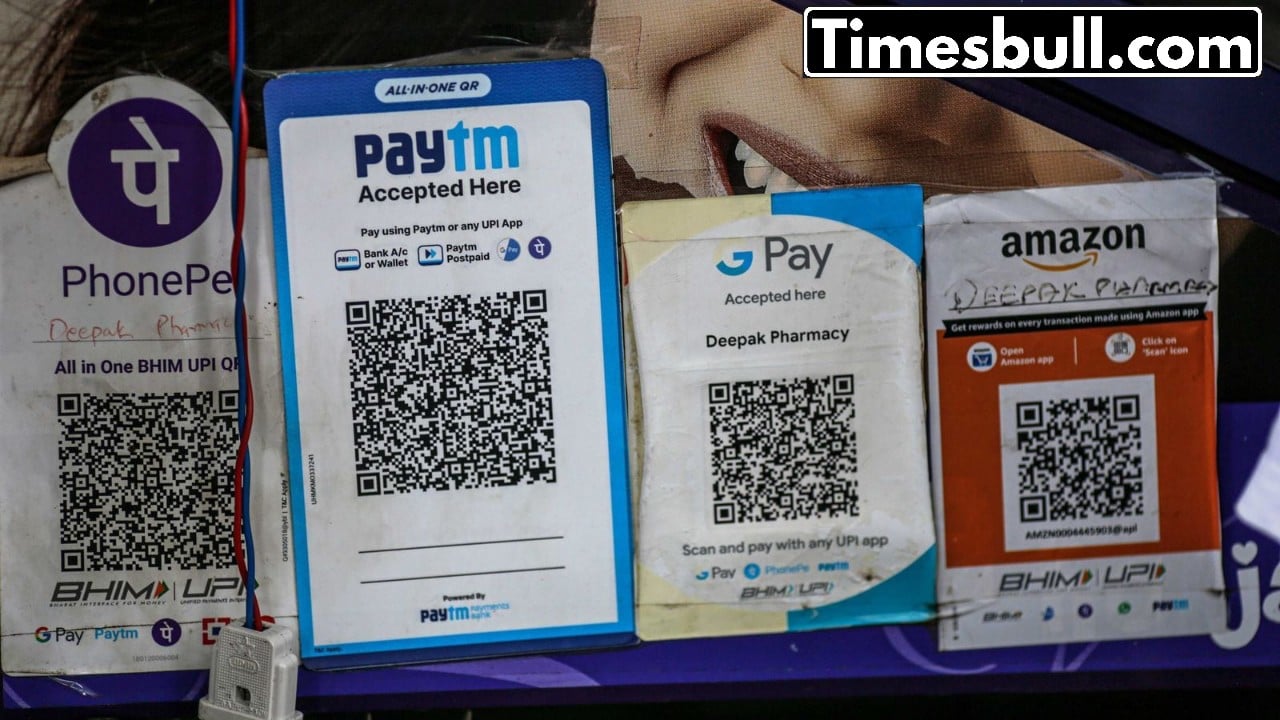
    RBI Rules April: Big news for everyone. As a new month begins, significant changes in financial regulations are on the horizon. Starting from April 2026, several updates regarding online payments will come into play. The RBI has introduced stringent new guidelines aimed at enhancing the security of your funds against fraud.

    From now on, two-factor authentication (2FA) will be a requirement for all online transactions. Just entering a password or the previous OTP will no longer suffice. At present, many individuals simply input the OTP when processing payments through UPI, credit/debit cards, net banking, or digital wallets, but this will change on April 1, 2026.

    Under the new regulations, every transaction will necessitate at least two methods of verification. One of these must be dynamic (changing each time), which could include a mobile PIN, UPI PIN, fingerprint, Face ID (biometric), dynamic OTP, password combined with biometric verification, etc. Routine payments for smaller amounts will face minimal checks, while larger sums or transactions deemed suspicious will require further verification. This process is known as risk-based authentication.

    These regulations will be applicable to all forms of digital payments

    The new rules will extend to all digital payments made within the country (including UPI, cards, net banking, and prepaid payment instruments). For transactions conducted on international websites or applications, these regulations will take effect from October 1, 2026. The RBI has noted that while digital payments are increasing rapidly, so too are incidents of fraud and hacking. The traditional SMS OTP has become insecure, as it can be easily intercepted by hackers. Hence, there is a pressing need for enhanced security measures. The anticipated outcome of these new regulations is a reduction in phishing attempts, unauthorized transactions, and online fraud.

    What will this mean for the average person?

    If fraud occurs and the bank or payment company doesn’t follow security rules, you won’t suffer any loss. The bank will have to refund the entire amount. The responsibility now rests with the bank or company, not you. Each payment may require additional steps, such as using a PIN, fingerprint, or OTP, and biometrics when making a UPI transaction. But this is for your security. Small shopkeepers and online shoppers will also need to be vigilant. Consequently, banks, companies like Paytm, Google Pay, and PhonePe will have to update their systems, adopt new methods, and increase transaction monitoring.

    By April 1, 2026, keep your bank app or UPI app updated and enable biometrics (fingerprint or face) to make payments easier. Never share your PIN, OTP, or password with anyone. Also, don’t click on suspicious messages or links. The RBI’s goal is to make digital payments both safe and easy. This will keep your money safer in the long run.

  • America Vs Iran War – India Plans 10kg LPG Cylinder to Tackle Gas Crisis, How Will Govt Manage?

    America Vs Iran War – India Plans 10kg LPG Cylinder to Tackle Gas Crisis, How Will Govt Manage?

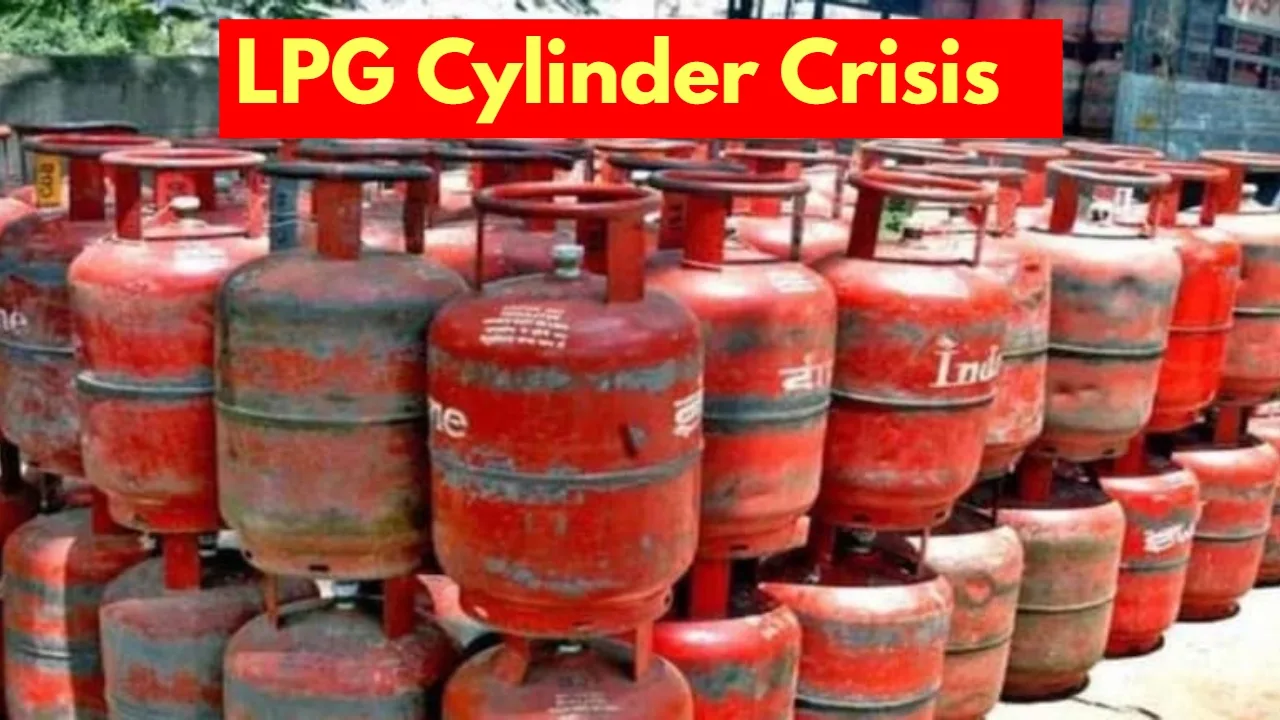
    New Delhi: There appears to be no immediate end in sight to the conflict between the United States and Iran. Consequently, the situation remains tense. The repercussions of this conflict are now beginning to impact global trade. With the Strait of Hormuz shipping lane facing disruptions, India’s supply of oil and gas also appears to be severely affected. People across India are growing increasingly concerned due to a shortage of LPG cylinders.

    The reduced supply of cylinders is causing inconvenience to ordinary consumers. Meanwhile, state-run oil companies are now considering a proposal to provide only 10 kilograms of gas in the standard 14.2-kilogram cylinders used for domestic purposes. According to a report by Moneycontrol, the primary objective of this strategy is to distribute the limited available gas to the maximum number of households possible.

    How ​​Long Does a Gas Cylinder Last?

    According to estimates by gas companies, a standard gas cylinder typically lasts for an average of 35 to 40 days. By extension, a 10-kilogram cylinder could last for approximately one month. Through this reduction, the government aims to conserve gas while simultaneously ensuring supplies reach a larger segment of the population. If this plan is finalised, new stickers will be affixed to the cylinders, displaying information regarding their weight and price.

    How ​​Much LPG Does India Import from Gulf Nations?

    The Government of India meets approximately 60 per cent of the country’s LPG requirements through imports. Of this imported supply, 90 per cent originates from Gulf nations. Currently, the escalating tensions between Iran and the United States have caused significant disruptions to the entire supply chain. The status of incoming LPG shipments from the Gulf region remains a matter of grave concern.

    Looking at the past week, only two vessels carrying gas managed to arrive in India. These shipments collectively delivered a total of 92,700 tons of LPG—a quantity equivalent to merely one day’s consumption in India. At present, six Indian-flagged LPG tankers are stranded in the Persian Gulf, awaiting the reopening of shipping lanes.

    Daily Consumption Figures

    According to a report, India’s daily consumption of LPG stands at 93,500 tons. Of this, 8 per cent—or approximately 80,400 tons—is consumed by domestic users. Furthermore, a percentage decline in total consumption was observed during the first fortnight of March. Describing the situation as concerning, Sujata Sharma, Joint Secretary at the Ministry of Petroleum, has advised using gas judiciously.

  • Petrol-Diesel Price To Hike By Rs 5 in this state, Check yours

    Petrol-Diesel Price To Hike By Rs 5 in this state, Check yours

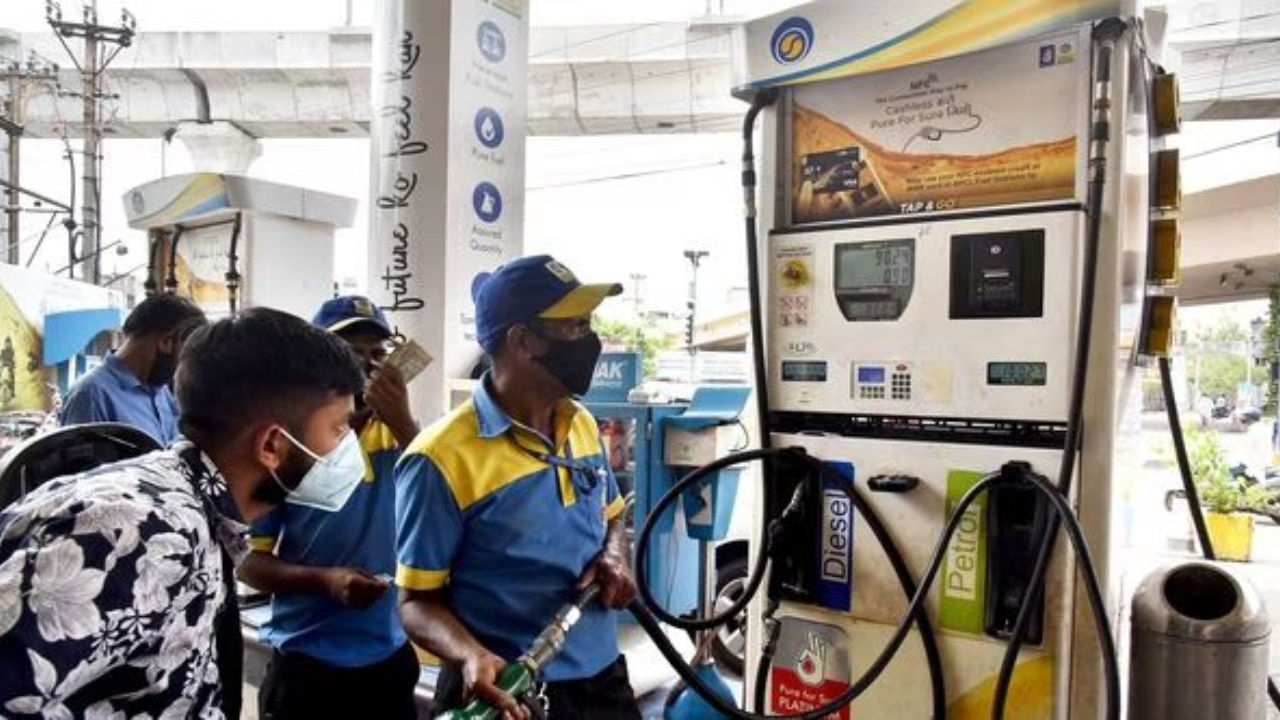
    Petrol Diesel Price Hike: Big setback for common people. The VAT Amendment Bill was passed in the Himachal Pradesh Assembly amidst opposition from the BJP. The state government will now be able to impose a cess of maximum Rs 5 per litre on petrol and high speed diesel.

    The opposition had objection to the amended bill related to the welfare of widows and orphan children by imposing a cess of Rs 5 on petrol and diesel. Despite objection to the words widow and orphan, the VAT Amendment Bill was passed in the Assembly despite opposition’s opposition.

    The state government will spend the money received in the treasury through the cess on schemes for the welfare of widows and orphan children. Before the passage of the bill, the opposition BJP MLAs walked out of the House shouting slogans.

    Chief Minister Sukhwinder Singh Sukhu introduced the VAT Amendment Bill on petrol and diesel, aimed at the welfare of orphans and widows, in the House on Friday. On Monday, he presented the bill to the House for passage. Before the bill was passed, three opposition members discussed it. Participating in the discussion, BJP’s Randhir Sharma said that the cess would make petrol and diesel more expensive in Himachal than in neighboring states. He said that VAT of Rs 17.50 per liter is being charged on petrol and Rs 13.09 per liter on diesel. Therefore, a Rs 5 cess would make petrol cost around Rs 100 per liter and diesel Rs 90 per liter.

    As a result, individuals traveling from neighboring states with vehicles will need to refuel in Chandigarh, Punjab, or Haryana. This situation will affect sales at gas stations. He mentioned that the ongoing Iran-Israel-US conflict is likely to drive up petrol and diesel prices. Consequently, the government ought to reconsider the bill. He further noted that the tax introduced by this bill will have inflationary effects on everyone.

    Truck drivers will feel the impact

    BJP MLA Trilok Jamwal pointed out that Bilaspur hosts the largest truck union. The tax will influence everyone in the state, from truck drivers to local residents. Vinod Kumar also voiced his opposition to the amendment bill, stating that the rising costs of petrol and diesel will have repercussions for all.

    Concerns regarding the bill’s title as well

    BJP’s Satpal Singh Satti remarked that this tax will also affect petrol stations. He stated that the government is raising funds under the pretense of supporting widows, which he believes is inappropriate. He also raised questions about the bill’s title. He mentioned that this tax will lead to higher prices for cement and other goods. Jairam Thakur expressed that the state’s economic condition is already dire. The government is attempting to generate revenue by invoking the terms widow and orphan, which he finds unacceptable.

    We take issue with the terms “woman” and “orphan,” and the BJP stands against such a tax that will impact all segments of society. During our time in power, we reduced VAT by Rs 5, while the current administration has raised it twice. Oil prices are expected to increase due to the Iran-Israel conflict. Additionally, the government is imposing a tax that will affect the people of the state. He also questioned the title of the bill.

  • PM Kisan, Kisan Credit Card: Govt’s Big Announcements For Farmers

    PM Kisan, Kisan Credit Card: Govt’s Big Announcements For Farmers

    PM Kisan, Kisan Credit Card: Big news for Indian Farmers. The Central Government has clarified that there are currently no proposals for a complete loan waiver for farmers. During a Lok Sabha session on Monday, Finance Minister Nirmala Sitharaman mentioned that the government’s priority is to enhance the income and economic status of farmers instead of focusing on loan waivers.

    She highlighted that various schemes are in place to offer timely and affordable loans to farmers. Specifically, through the Kisan Credit Card (KCC) program, crop loans of up to Rs 3 lakh are available at a subsidized interest rate. Additionally, farmers who repay their loans punctually can enjoy extra benefits. All of this is part of the “Modified Interest Subsidy Scheme.”

    What is the detail?

    To assist farmers, the government has also raised the limit for unsecured agricultural loans. This limit was previously set at Rs 1.60 lakh and has now been increased to Rs 2 lakh. Moreover, according to Reserve Bank regulations, banks have been instructed to ensure that the agricultural sector receives sufficient credit, allowing farmers to access financing easily.

    What did the Finance Minister say on PM Kisan?

    The Finance Minister further noted that the government is directly transferring funds to farmers’ accounts through initiatives like the Crop Insurance Scheme and the Pradhan Mantri Kisan Samman Nidhi (PM-KISAN). These actions aim to stabilize farmers’ incomes and mitigate risks, reducing their dependence on debt.

    In response to another inquiry, he also addressed the issue of the disability pension for armed forces personnel. He clarified that this tax exemption is already in place and is now being explicitly included in the new Income Tax Act 2025 to eliminate any confusion. This indicates that the exemption has not been removed but has been maintained in a clearer format.

    According to the government, the new rules continue the existing system, not impose new taxes or remove old exemptions. Overall, the government’s message is clear: the focus is not on loan waivers for farmers, but on creating a strong economic support system, while also protecting the interests of military personnel.