
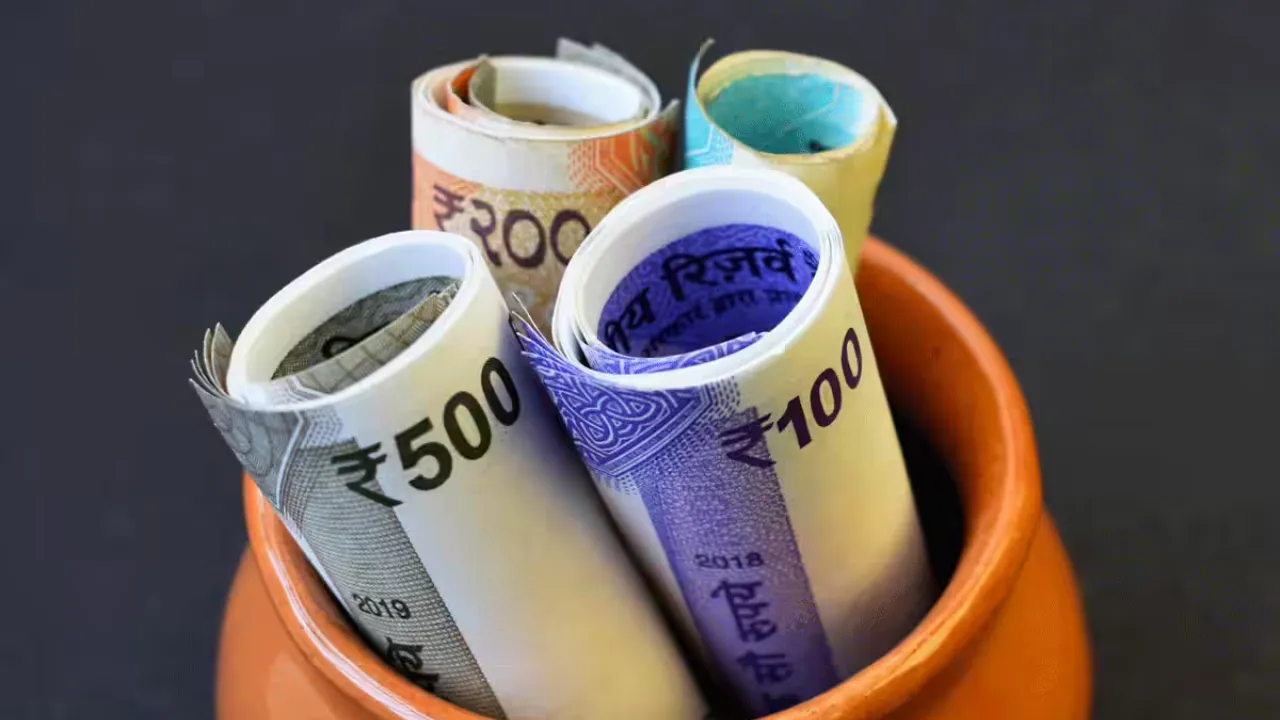
With the growing popularity of Mutual Fund investment, SEBI is all set to issue new rule. The proposed rule will make your investment more secure, especially for the first time investment.
The new rule will ensure that new folios can only receive their first investment amount once they are fully KYC-compliant by the KYC Registration Agency (KRA). Previously, the asset management company (AMC) would immediately approve investments based on its internal KYC checks. Consequently, if a folio’s KYC was found to be KYC-compliant later, investors would face delays in redemptions, dividends, or notifications.
If KYC is not complete, investors are temporarily unable to invest further and may not receive redemptions or dividends on time. Furthermore, it becomes difficult for AMCs to contact and make payments to investors. This can lead to some dividends or redemptions remaining unclaimed.
What will the new method be like?
- AMCs will create new folios only after receiving all the account opening documents and completing the internal KYC check.
- The documents will then be sent to the KYC Registration Agency (KRA), which will do the final KYC verification.
- The first investment amount can be deposited only after the KYC verification by KRA is completed.
- Investors will be informed about their KYC status at every stage through email and mobile notifications.
Benefits of the new rules
This new rule will benefit both investors and AMCs. Mistakes will be less likely, compliance will be easier, communication between investors and AMCs will improve, and transactions will be more accurate.
However, there may be a slight delay in the initial investment as it will be held until the KRA is fully verified. Currently, AMC-level KYC checks are completed within 1-2 days, while KRA verification may take another 2-3 days depending on documentation and system updates.SEBI has sought comments from the general public and investors on this new rule. Any investor or other stakeholder can submit their comments on SEBI’s web portal until November 14, 2025. This is intended to ensure that feedback and suggestions are received from all stakeholders
Latest News
- New Honda City Facelift 2026 Launched – Sporty Coupe Look And ADAS Safety Revealed

- 8th Pay Commission: केंद्रीय कर्मचारियों की बढ़ेगी बंपर सैलरी! आयोग ने उठाया यह बड़ा कदम

- China: चीन के कोयला खदान में भयंकर विस्फोट, 90 लोगों की गई जान, पीएम मोदी ने भी जताया दुख

- Weather warning – Heavy Rain, thunderstorms, lightning Alerts for 13 States Over Next 3 Days

- UP TGT Exam City Slip 2026 Released – Download at upessc.up.gov.in, Exam June 3-4
- ATM Alert: एटीएम में फंस जाए डेबिट कार्ड तो घबराएं नहीं, फटाफट यह काम करने से होगा समाधान

- Post Office Scheme – 7.5% Interest Rate, ₹5 Lakh Becomes ₹7,24,974 in 5 Years, Start with Just ₹1,000

- Best AI Video Editing Laptops Under 60,000 INR: Top Picks Her

- Best CNG Cars: पेट्रोल के बढ़ते दाम के बीच ये सीएनजी गाड़ी खरीदकर खर्च करें कम, माइलेज भी जबरदस्त

- Samsung Stable One UI 8.5 Update to Galaxy Tab S10 FE and Tab S10 FE+