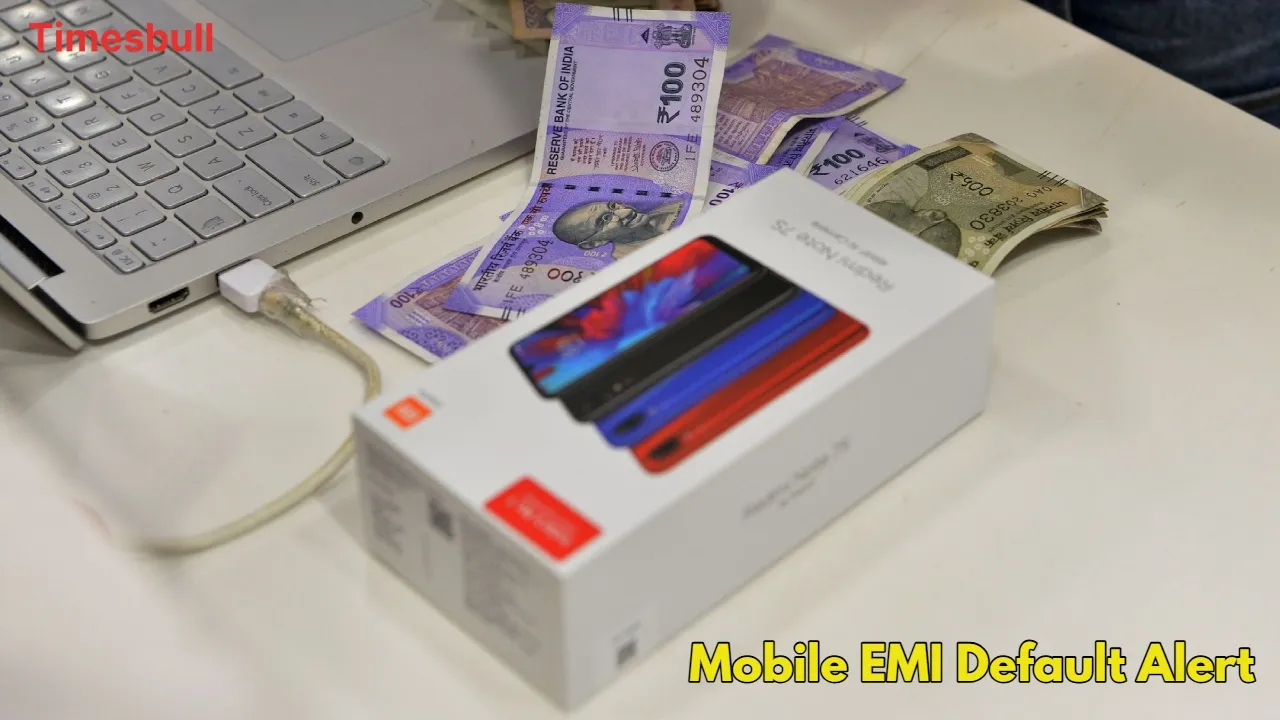
Have you also bought a mobile phone on EMI? Then there is some important news for you. The Reserve Bank of India (RBI) is preparing to give more powers to banks and financial institutions for the recovery of small loans. According to sources, if a customer does not pay for a mobile phone purchased on EMI, then the banks will be able to remotely lock the phone. The move is aimed at making the recovery of small outstanding loans easier, but it has also raised concerns about consumer rights.
Why is this change necessary
More than one-third of electronic goods in India, including mobile phones, are purchased on small loans. According to the telecom regulator, there are more than 1.16 billion mobile connections in the country. In this large market, RBI had asked banks last year to stop this method, where an app was installed while giving a loan, and the phone was locked from it in case of default. Now, after several rounds of discussions, the RBI is going to update its fair practice code.
New rules for customers
Under the new rules, it will be mandatory for banks to take the explicit consent of the customer before locking the phone. Also, it has to be ensured that the customer’s personal data remains safe even when the phone is locked.
Ease in loan recovery, but also risk
According to a source, if these rules are implemented, then companies like Bajaj Finance, DMI Finance, and Cholamandalam Finance can benefit a lot. This will make recovery of small loans easier, and even those customers who have a weak credit history will be able to get loans easily. It has been said that loans less than ₹ 1 lakh have a high chance of default, and non-banking companies give 85% of loans in this category.
What is its other side
However, consumer rights activists believe that this is a misuse of technology. Srikanth L, founder of an organization called Cashless Consumer, said, “This method will deprive people of their daily needs. Mobile phone is an important means of education, employment, and financial services today. Locking it will become a weapon to pressurize people.” This raises the question of whether technology should be used to provide convenience to people or to pressure them.
Latest News
- 8th Pay Commission: केंद्रीय कर्मचारियों की बढ़ेगी बंपर सैलरी! आयोग ने उठाया यह बड़ा कदम

- China: चीन के कोयला खदान में भयंकर विस्फोट, 90 लोगों की गई जान, पीएम मोदी ने भी जताया दुख

- Weather warning – Heavy Rain, thunderstorms, lightning Alerts for 13 States Over Next 3 Days

- UP TGT Exam City Slip 2026 Released – Download at upessc.up.gov.in, Exam June 3-4

- ATM Alert: एटीएम में फंस जाए डेबिट कार्ड तो घबराएं नहीं, फटाफट यह काम करने से होगा समाधान
- Post Office Scheme – 7.5% Interest Rate, ₹5 Lakh Becomes ₹7,24,974 in 5 Years, Start with Just ₹1,000

- Best AI Video Editing Laptops Under 60,000 INR: Top Picks Her
- Best CNG Cars: पेट्रोल के बढ़ते दाम के बीच ये सीएनजी गाड़ी खरीदकर खर्च करें कम, माइलेज भी जबरदस्त

- Samsung Stable One UI 8.5 Update to Galaxy Tab S10 FE and Tab S10 FE+

- बुढ़ापे की लाठी बनेंगी ये तीन स्कीम्स, निवेश से पहले जानिए कितना मिल रहा ब्याज