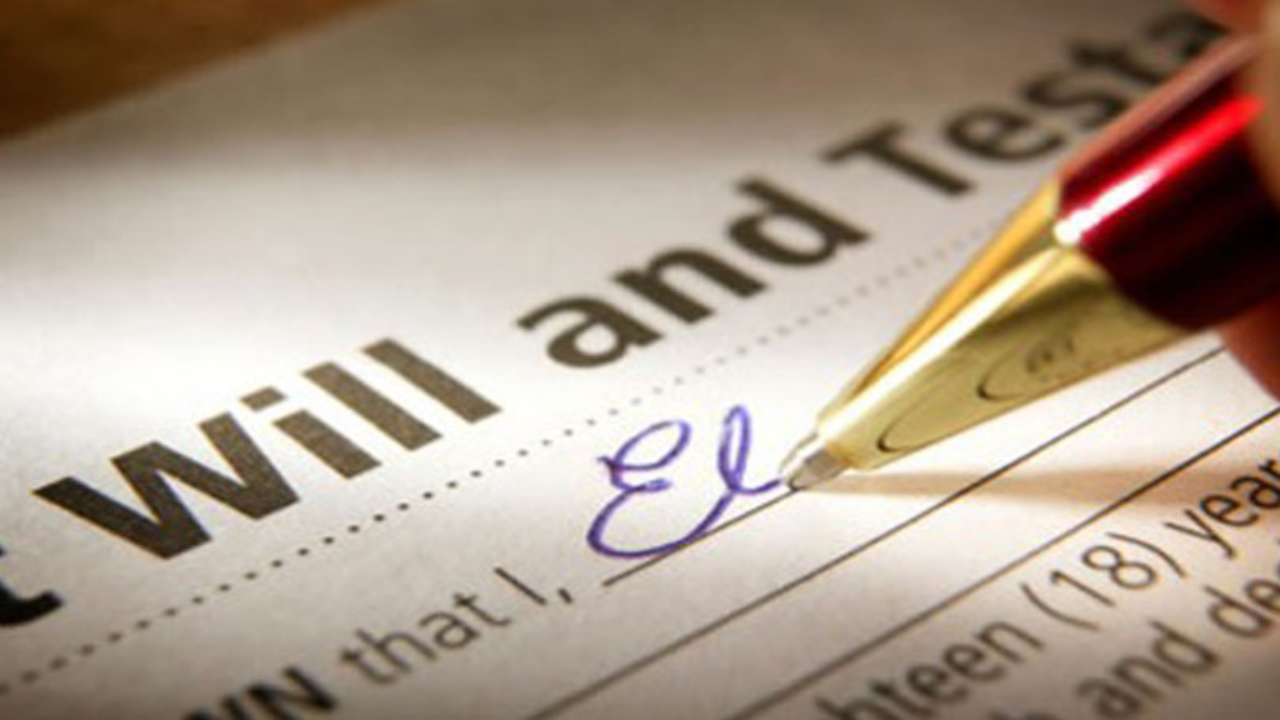
Writing a will isn’t as easy as it sounds. People often think that simply writing down the division of property on paper is enough, but that’s not true. In reality, minor oversights like a missing signature, a mistake by a witness, or unclear language can turn a will into a dispute. Consequently, the family ends up spending years in court. Therefore, if you’re drafting a will for your estate, understand every legal process before proceeding, so your family doesn’t have to face difficulties after you pass away.
Making a will is an important step towards the proper and peaceful distribution of your property, but if small mistakes are made in it, then the same will can become the cause of dispute and court case.
What are the rules to write a will
According to legal experts, a will must be written clearly and without any confusion, and it must be prepared in accordance with Section 63 of the Indian Succession Act, 1925. Under this, the will must be signed by the testator in the presence of two independent witnesses, and both witnesses must also sign it. If any of these procedures are incomplete, the will can be challenged in court. Obtaining a medical fitness certificate while making a will and recording a short video while signing helps prove that the person writing the will was fully conscious and not under any pressure.
Will update
It’s also important to update your will periodically, especially after major events like marriage, divorce, the birth of a child, or the purchase of a new property. Vague language, lack of witnesses, failing to designate guardians for minor children, and forgetting to mention digital assets are all common mistakes that weaken a will.
Additionally, while it’s not mandatory to register a will, failing to do so could raise questions about its validity later. Most importantly, the will and property division should be discussed openly with the family to avoid future disputes and ensure the property is divided as the person intended.
Latest News
- Weather Warning Delhi-NCR – Rain Alert & Dust Storm in Next 2-3 Hours, IMD Issues Yellow Alert

- PM Kisan Samman Nidhi Yojana: नहीं मिल रही 2000 रुपये की किस्त तो किसान तुरंत करवा लें यह काम

- Aadhaar Card Update Rules – How Many Times Can You Change Address, DOB & Number?

- Train Ticket: How to book a confirmed train ticket without an agent? Learn the Easy Steps

- Indian Railways– 155 Trains Express Declared High-Speed, Thousands of Railway Staff to Benefit

- Monsoon Alert – Warning Heavy to Very Heavy Rain alert & thunderstorms in 22 States Over Next 4 Days

- America-Iran War: मिडिल ईस्ट में तनाव होगा खत्म! ईरान ने होर्मुज रास्ते पर कही बड़ी बात

- PM Surya Ghar Yojana 2026: Get Up to Rs 78,000 Subsidy within 6 Easy Steps, Know Here

- Cheapest Available 5G Smartphones in India Under 10000

- UPSC Prelims Answer Key 2026 – How to Download UPSC Prelims Answer Key at upsc.gov.in