


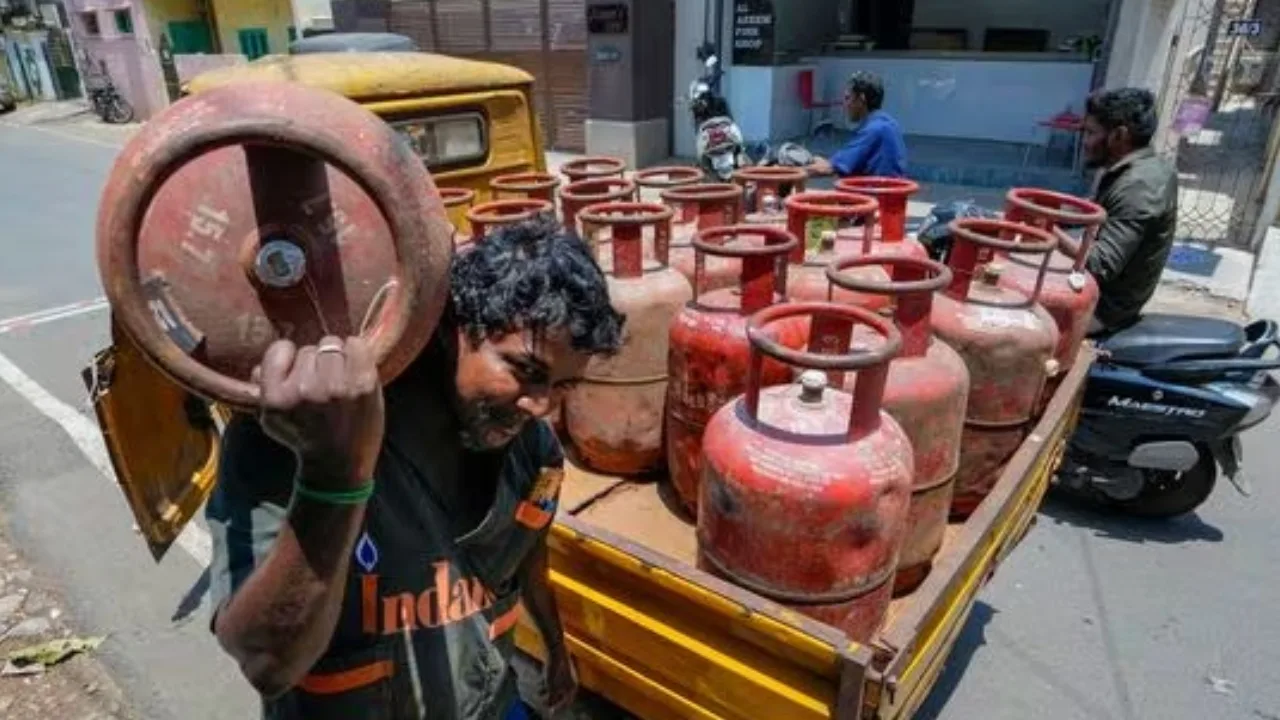
LPG Price: The ongoing tensions in West Asia are now affecting the kitchens across India. With rising pressure on the supply of LPG (cooking gas), India has begun purchasing LPG from the spot market to ensure there is no gas shortage in homes and businesses. West Asia (Middle East) serves as a key energy supplier globally.
However, the recent conflict has disrupted the supply from this region. In light of this, India, which relies heavily on imports for its LPG needs, is now opting for spot purchases to address its immediate requirements. State-owned oil companies (OMCs) are acquiring additional LPG shipments from countries like the United States, which are anticipated to arrive in India by June-July.
What is India’s LPG requirement?
India’s daily LPG requirement is around 80,000 tons. The positive news is that the country has boosted its domestic production capacity. While domestic production was previously low, it has now risen to about 46,000 tons per day, indicating that a significant portion still relies on imports.
Where is the gas coming from now?
Previously, approximately 90% of India’s LPG supply came from Gulf countries (UAE, Qatar, Saudi Arabia, etc.). However, the government has now changed its strategy and expanded import sources. Countries like the United States, Norway, Canada, Algeria, and Russia have been added to this list. Previously, imports from 10 countries were imported, but now this has been expanded to 15.
What preparations are there to maintain supply?
According to the government, the import of approximately 800,000 tons of LPG has already been secured. Recently, 10 ships arrived in India, nine of which carried cooking gas. This demonstrates the government’s continued commitment to maintaining the supply chain.
What is spot buying?
Simply put, a long-term contract is based on a pre-determined price and supply. Spot purchases involve purchasing from the market based on immediate needs. India is currently making spot purchases because of a sudden supply shortage.
Will it affect the common people?
Currently, the government’s focus is clearly on ensuring that domestic gas supplies are not disrupted. Therefore, cylinder availability is expected to remain. However, if international prices remain high for an extended period, prices could be impacted in the future.
India has adopted this new strategy to secure LPG supplies due to the crisis in West Asia. The clear objective is to ensure that there is no shortage of gas in the country and that cylinders reach every household on time.