
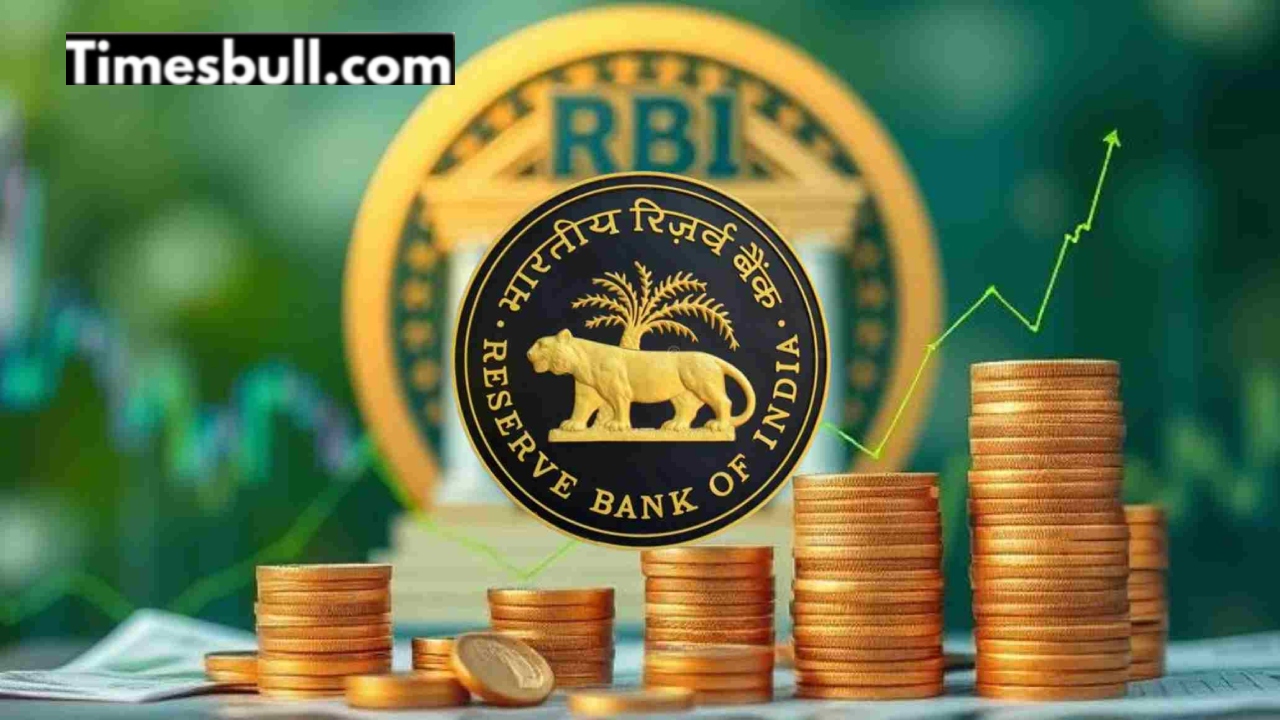
The Reserve Bank of India (RBI) has recently cancelled the licence of Jijamata Mahila Sahakari Bank, Satara (Maharashtra). The RBI took the strict step as the co-operative bank did not have adequate capital and earning prospects. The banking licence of the co-operative bank was earlier cancelled through an order dated June 30, 2016 and was restored on October 23, 2019 on the bank’s appeal.
Statement from RBI
The RBI said in a statement that the appellate authority directed that a forensic audit of the bank be conducted for the financial year 2013-14 to assess the bank’s financial position. The Reserve Bank of India appointed a forensic auditor, but the audit could not be completed due to the bank’s non-cooperation. The Reserve Bank of India revoked the license, stating, “As assessed, the financial position of the bank has continued to deteriorate.” The bank will cease banking business with effect from the close of business on October 7, 2025. The Registrar of Cooperative Societies of Maharashtra has also been requested to close the bank and appoint a liquidator.
“Consequent to the cancellation of licence, Jijamata Mahila Sahakari Bank, Satara, Maharashtra is prohibited from carrying on the business of ‘banking’ with immediate effect, which, inter alia, includes acceptance of deposits and repayment of deposits,” the RBI said. Upon liquidation, each depositor will be entitled to receive deposit insurance claim amount up to Rs 5 lakh on his/her deposits from the Deposit Insurance and Credit Guarantee Corporation (DICGC).
Why the licence cancelled?
The Reserve Bank said that as of September 30, 2024, 94.41 percent of the total deposits were covered under DICGC insurance. The Reserve Bank said that the cooperative bank does not have adequate capital and earning prospects, due to which it has decided to cancel the license. “Considering its financial position, the bank will be unable to pay its existing depositors in full,” the central bank said. The RBI said that if the bank is allowed to continue its banking business, it will be adversely affecting the public interest.
Latest News
- Apple MacBook Neo Deal Alert: Get It For Under ₹58,000 on Amazon Right Now

- Pakistan Attack: आत्मघाती हमले से दहला पाकिस्तान, 23 लोगों की मौत, 50 से ज्यादा घायल, जानें

- Honor Magic 9 Series Leaks: Flagship Upgrades with Massive 8,000mAh Battery and 200MP Cameras

- Motorola Edge 60 Fusion Review: Mid-Range King or Outdated?

- FD Update– Breaking Your FD Early? Know the consequences

- Bank Holiday–RBI Announces Closure of SBI, HDFC and All Banks Next Week, Save the Dates

- Samsung Galaxy S26 Ultra Amazon Deal – Get ₹23,509+ Discount with Bank Offers and Exchange Benefits

- Best Scooters For College Girls 2026 – Perfect Mix Of Mileage, Style And Lightweight Design
- Kodak Matrix QLED Google TV 2026 Series Launched in India Just Under 10,999

- Senior Citizen FD Rates: सीनियर सिटीजन को यहां से मिल रहा बंपर ब्याज, जल्द करें निवेश