

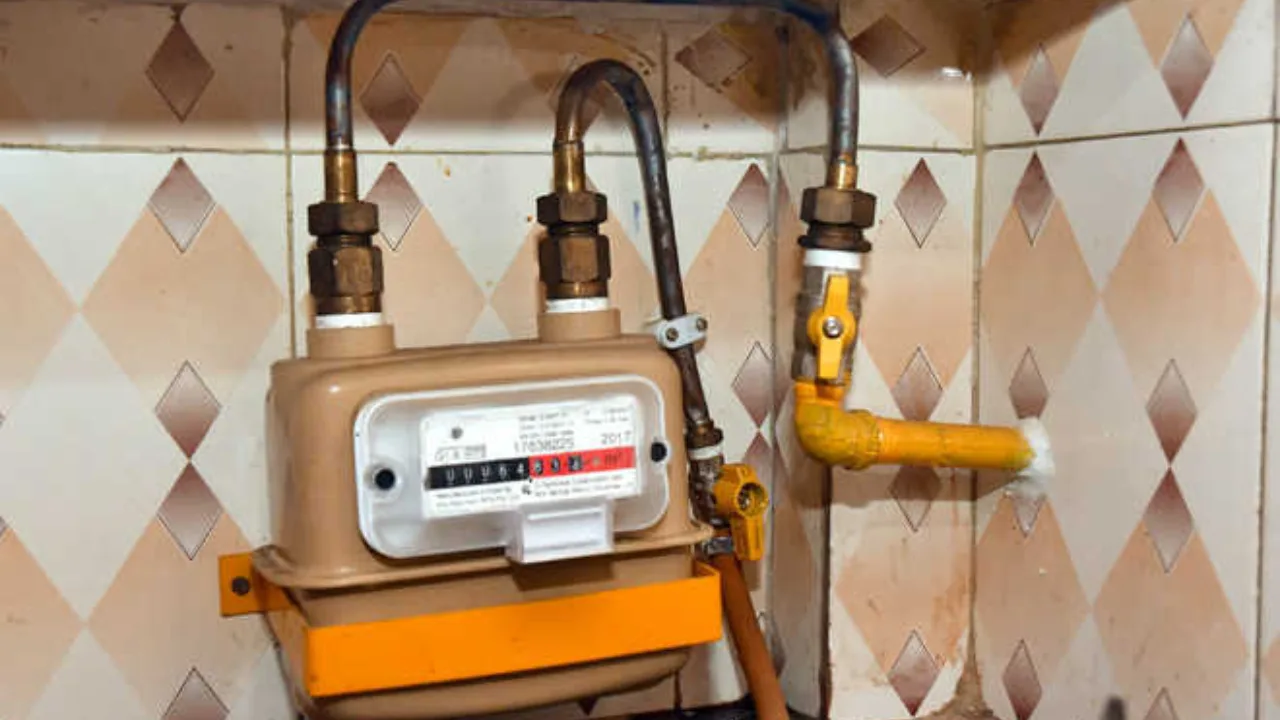
PNG Connection: The ongoing conflict involving the US, Israel, and Iran has impacted LPG supplies in India. In response, the government is implementing various measures to ensure the needs of its citizens are met. Recently, officials urged commercial LPG users in major cities and urban regions to transition to PNG. Earlier, the Indian government reached out to all states, asking for the swift approval of any pending pipeline permissions. New applications are expected to be processed within 24 hours.
Why is the government so confident in PNG during this LPG shortage? What distinguishes PNG from LPG? Are there adequate PNG reserves available in India? How does it benefit everyday consumers? Additionally, find out the costs associated with installing a PNG pipeline and securing a connection. LPG, or liquefied petroleum gas, is stored in cylinders and is made up of propane or butane. In contrast, PNG, or piped natural gas, is delivered directly to homes via pipelines.
PNG mainly consists of methane. LPG is denser, raising concerns about running out of cylinders, and it poses a greater fire risk. Conversely, PNG is lighter and considered safer; in case of a leak, it dissipates quickly. Moreover, its supply is consistent.
Is there sufficient PNG inventory in India?
India relies on imports for 60 percent of its LPG requirements, with 90 percent of that coming through the Strait of Hormuz. The PNG supply in India is largely sourced from two areas: domestic production and natural gas imports. About half of the demand is satisfied by land and offshore gas reserves, with state-owned companies like ONGC and private firms such as Reliance Industries extracting gas. The rest is fulfilled through LNG imports, which are then reconverted and distributed to consumers via pipelines. Currently, the government asserts that the nation has enough PNG and LPG reserves to satisfy domestic demand.
Why is the government insisting on shifting to PNG?
The Indian government is encouraging consumers to switch to PNG because it is safer, more convenient, and more environmentally friendly than LPG. PNG is lighter than air, so leaks dissipate quickly, reducing the risk. It offers a continuous pipeline supply, eliminating the risk of cylinder shortages. Furthermore, metered bills are used to control costs. PNG is less polluting, and the government aims to strengthen the country’s energy security by expanding its use. Furthermore, pipeline supply also eliminates the risk of black marketing.
What are the advantages of PNG over LPG?
For home users, PNG has numerous benefits compared to LPG. The primary benefit is its convenience, as PNG is supplied directly to residences via pipelines, which removes the inconvenience of running out of cylinders or needing to reorder frequently. Additionally, it is deemed safer since any leaks disperse quickly into the atmosphere, whereas LPG can build up and pose a greater risk. PNG is also more economical, allowing users to pay solely for the gas consumed, as indicated by the meter. Moreover, PNG generates less pollution, making it a more eco-friendly choice.
Cost of laying PNG pipelines
As per the Ministry of Petroleum, the projected expense for installing a PNG pipeline is around Rs 1 crore per kilometer for a steel pipeline. In contrast, the cost for an MDPE pipeline (plastic pipe) is roughly Rs 0.15 crore (15 lakh) per kilometer. Steel pipelines tend to be pricier, while plastic pipelines are significantly more affordable. Nevertheless, the actual cost can vary based on factors such as location, capacity, material, and the scale of the project. Gas distribution companies primarily handle the installation of gas pipelines. Once the pipelines are in place, gas connections are established for individual homes.