Rules Change 2026: A new year isn’t just a change of calendar, but it also brings with it many changes to our daily lives. The month of December is about to end, and with the beginning of 2026, new rules related to banking, taxes, ration cards, farmer schemes, gas prices, digital payments, government employee salaries, and many other benefits may be implemented in the country.These changes will directly impact the common man’s pockets, convenience, and future plans. Whether it’s farmers, working professionals, elderly pensioners, or middle-class families, it’s important for everyone to know what’s going to change from January 1, 2026, so they can take appropriate action in time. So, let’s explore the major changes expected with the new year and how they will benefit or impact you.
These rules will change from January 1, 2026
1.New Ration Card Rules – Starting in 2026, the ration card process will be simplified. Online application for ration cards has now been launched. This will provide relief, especially to rural areas and farmers. People will no longer have to visit government offices and can apply from the comfort of their homes.
2. Major changes for farmers – Several important rules related to farmers will be implemented in the new year. Farmer ID has been made mandatory in many states, including Uttar Pradesh. Without a farmer ID, installments under the PM Kisan Samman Nidhi (PM Kisan Samman Nidhi) may be withheld. The Crop Insurance Scheme (PMFBY) will undergo major changes. Starting in Kharif 2026, crop damage caused by wild animals will also be included in insurance coverage. Any damage will be required to be reported within 72 hours.
3. Banking and Tax Rules – Many banking and income tax rules may change in 2026. Income Tax Return (ITR) forms may be revised, requiring more data-driven information. Credit score update rules: Starting April 2026, credit scores will be updated in just 7 days, compared to the previous 15 days. SBI and other banks have revised loan interest rates and fixed deposit rates, the impact of which will be visible in 2026.
4. Digital attendance in government schools – Many states will implement digital attendance tracking through tablets in government schools starting in 2026. This will enable better monitoring of teacher attendance and make the system more transparent.
5. Social media regulations – Social media regulations are also becoming increasingly stringent. Like countries like Australia and Malaysia, stricter regulations are now being implemented on social media use for children under the age of 16. In the future, India may also see similar regulations.
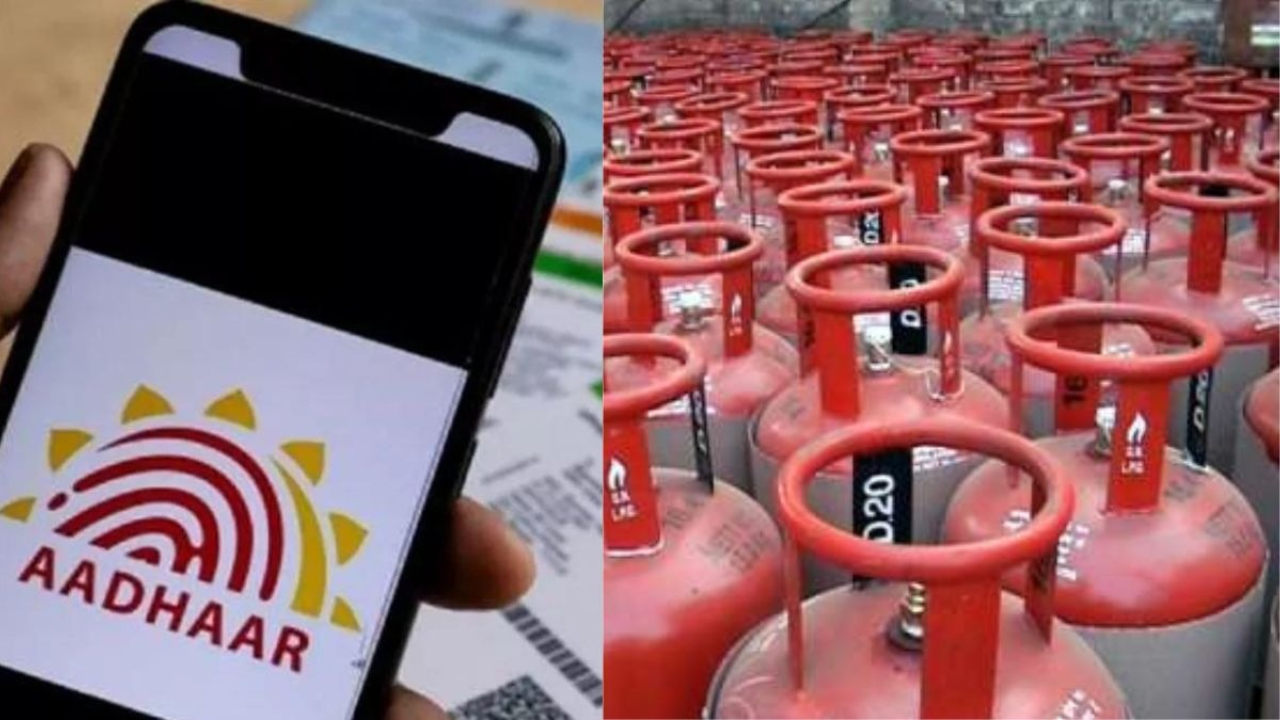
6. LPG Gas Cylinder Prices – LPG cylinder prices are reviewed on the first of every month. In December, the price of commercial cylinders was reduced by ₹10. Domestic gas cylinder prices are also expected to be reduced starting January 1, 2026, which could provide relief to ordinary families.
7. 8th Pay Commission – This could be good news for central government employees. It is expected that the recommendations of the 8th Pay Commission will be implemented from January 1, 2026. Even if the announcement is delayed, employees may receive benefits (arrears) from the previous date. A significant increase in basic salary and pension is possible due to the change in the fitment factor.
8. CNG and PNG prices will decrease – The central government is implementing tax changes effective January 1, 2026. The changes to the zoning system may reduce CNG and PNG prices. This will provide relief to vehicle owners and domestic gas users.
9. Investing in real estate will become easier – From January 1, 2026, REITs (Real Estate Investment Trusts) will be treated as equities by mutual funds. This is expected to increase investment in the real estate sector. Small investors will also benefit.
10. PAN Card-Aadhaar Linking Required – If you don’t link your PAN card with Aadhaar by January 1, 2026, your PAN card may become inactive. This could lead to problems with bank transactions, filing income tax returns, and other financial transactions.
Latest News
- PM Kisan Samman Nidhi Yojana: नहीं मिल रही 2000 रुपये की किस्त तो किसान तुरंत करवा लें यह काम

- Aadhaar Card Update Rules – How Many Times Can You Change Address, DOB & Number?

- Train Ticket: How to book a confirmed train ticket without an agent? Learn the Easy Steps

- Indian Railways– 155 Trains Express Declared High-Speed, Thousands of Railway Staff to Benefit

- Monsoon Alert – Warning Heavy to Very Heavy Rain alert & thunderstorms in 22 States Over Next 4 Days

- America-Iran War: मिडिल ईस्ट में तनाव होगा खत्म! ईरान ने होर्मुज रास्ते पर कही बड़ी बात

- PM Surya Ghar Yojana 2026: Get Up to Rs 78,000 Subsidy within 6 Easy Steps, Know Here

- Cheapest Available 5G Smartphones in India Under 10000

- UPSC Prelims Answer Key 2026 – How to Download UPSC Prelims Answer Key at upsc.gov.in

- 8th Pay Commission: एनपीएस और पुरानी पेंशन में कौन सी बेहतर, जानिए बड़ा अपडेट