In an agricultural country like India, crores of people are directly dependent on farming. In such a situation, the question often arises whether farmers also have to pay income tax? There is a common belief that there is no tax on all the income from farming, but the reality is a little different. Under the Income Tax Act, farmers may also have to pay tax under certain circumstances. If you also earn income from farming or you belong to a farming family, Business Idea: Start These 4 Businesses With Low Investment, Then Earn Big Every Month” this information is very important for you. Let us understand the rules related to tax on income from farming in detail.
Tax exemption on farming income
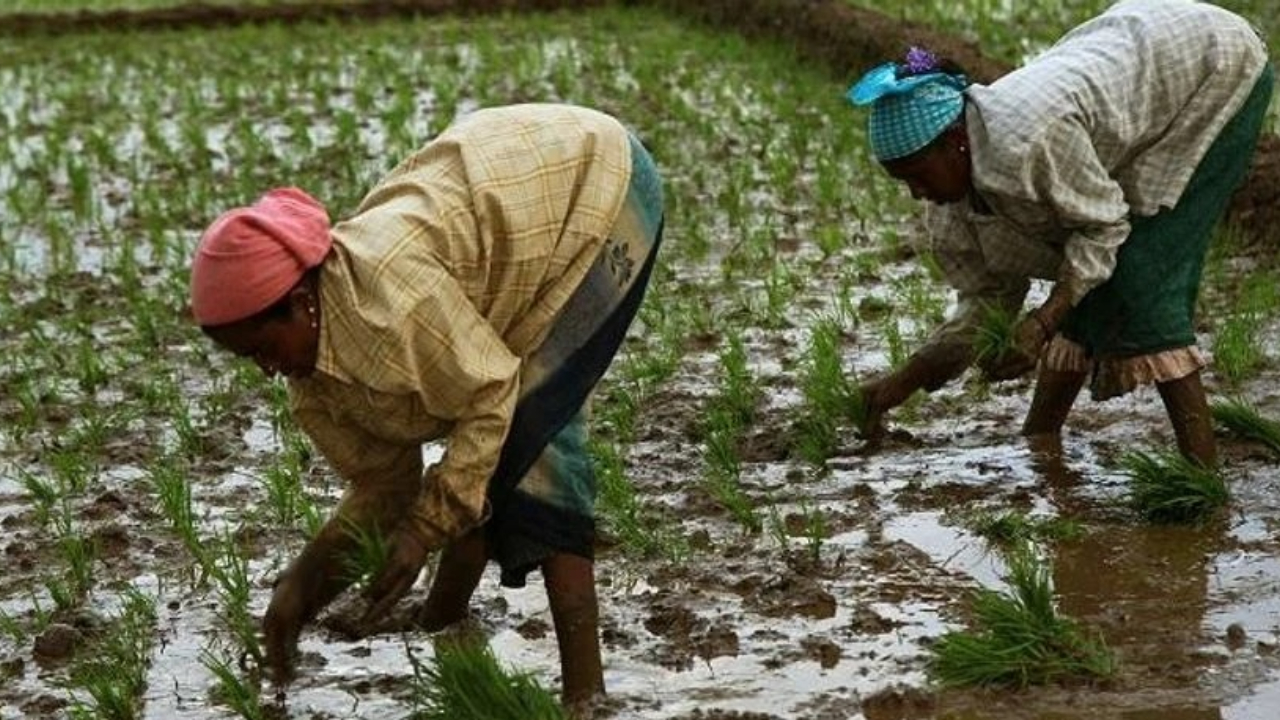
Under Section 10(1) of the Income Tax Act, 1961, income from agriculture has been kept completely tax-free. This means that if a farmer earns money by selling his crop, vegetables, or grains, then he does not need to pay income tax on that income. The Gas Cylinder: Why Was the Number of Subsidized Cylinders Reduced? Government Explains the Reaso has given this exemption because farming is completely weather-dependent and risky work. Floods, droughts, and natural disasters have a direct impact on the income of farmers.
When may you have to pay tax
However, tax exemption is not available in every situation. If a farmer has any other source of income, then tax may be levied on it. If the farmer’s income is not only from farming but also from rent, job, or any other business, and his total income is more than ₹ 2.5 lakh (as per the current tax slab), then he must file an Income Tax Return (ITR).
If a farmer sells his urban agricultural land, then capital gains tax may be levied on it. If farming is being done as a big business, like contract farming or an agri-processing unit, then such earnings will be considered business income and may be taxed.
When is it necessary to file ITR
If a person’s entire income comes only from farming, then he does not need to file an ITR. But as soon as non-agricultural income is also added to his income and it goes above the tax slab, then filing ITR becomes mandatory. For example, suppose a farmer’s income from farming is ₹ 5 lakh and non-farming income is ₹ 3 lakh. So he has to file ITR on his non-farming income of ₹ 3 lakh.
Why is agricultural income exempted from tax
There are two main reasons behind exempting agriculture from tax:
- Farming is completely dependent on nature, and the risk is very high.
- The income level of most farmers in India is still very low compared to other businesses. In such a situation, putting a tax burden on them can make their situation more difficult.
Experts believe that not imposing tax on agricultural income is a big relief for farmers. Some experts suggest that a light tax can be imposed on the income of big farmers or corporate farmers, while small and medium farmers should be completely exempted.