
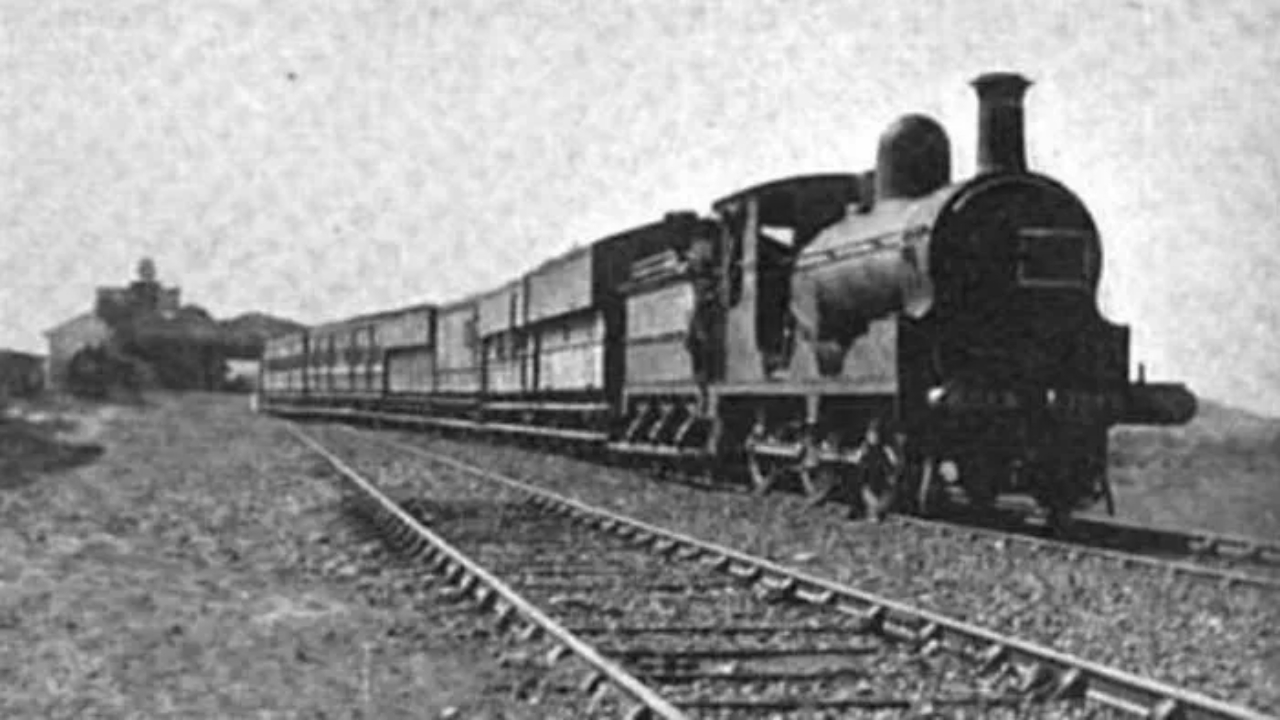
The Shakuntala railway track was built between 1903 and 1913 during the British Raj. The Amravati region was famous for cotton production, and this line was built to send it to the Mumbai port. From there, cotton was sent to Manchester, England. It was built by Killick Nixon & Company of Britain.
Read Here- Honda Activa 7G 2025 coming with 60 Kmpl mileage, powerful engine and latest features
The only train Shakuntala Passenger
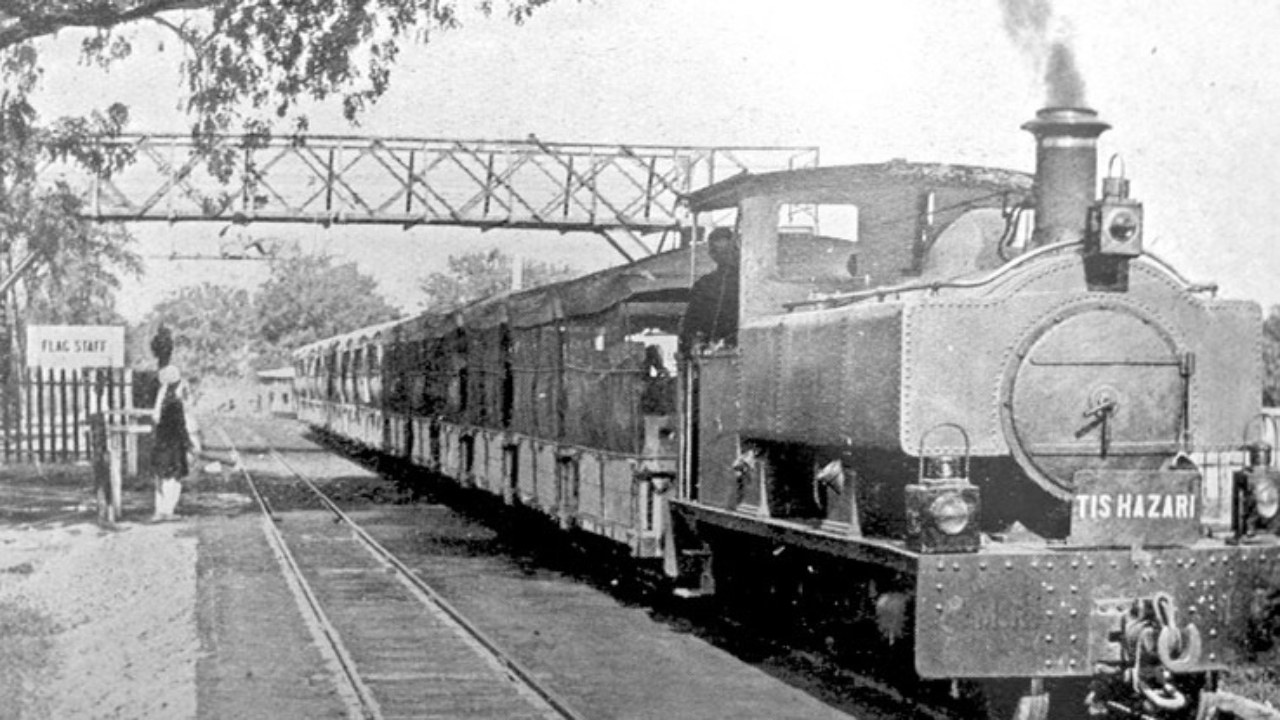
Only one train used to run on this railway line, which was called the Shakuntala Passenger. This train used to travel 190 km between Yavatmal and Achalpur daily. The travel time was about 20 hours, and it stopped at 17 stations. This is the reason why this line became famous as the Shakuntala railway track.
Journey ran with an engine made in Manchester
Since 1923, this train has been pulled by a steam engine built in Manchester in 1921. This engine ran for more than 70 years. In 1994, it was removed, and a diesel engine was installed. During the colonial period, the Great Indian Peninsula Railway operated on this track.
The guard was the ticket clerk
Only seven employees were working on this line. Interestingly, the guard himself used to perform the responsibilities of the ticket clerk because there was no separate staff at most of the stations. Everything from train operations to ticket sales depended on these seven people.
The British company gets royalties
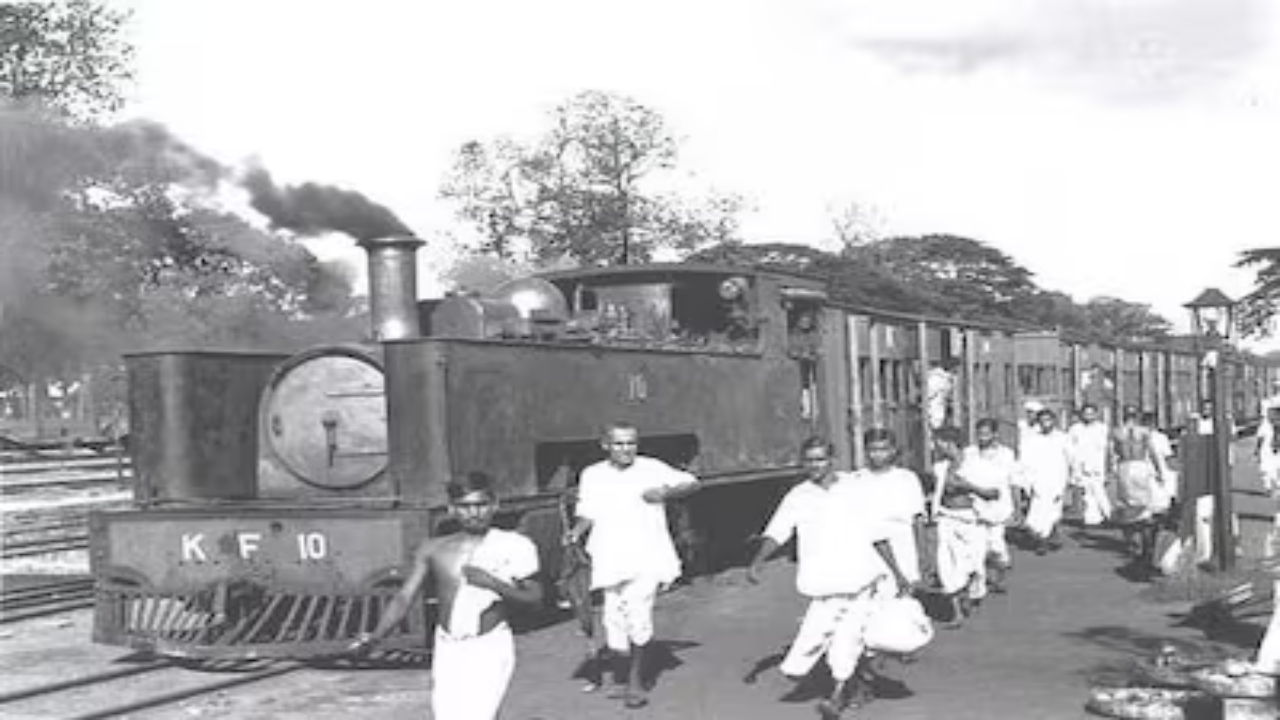
Even after independence, the Indian Railways agreed with the British company. Under this, a royalty of Rs 1 crore 20 lakh is given to the company every year. Despite this, the company does not pay attention to maintenance, due to which the track has become dilapidated. Reports say that now the Government of India is considering stopping this royalty.
Read Here- Kawasaki Ninja ZX-10R: A real superbike to take on the road, the bike of your dreams
Demand of local people
Recently, train services were stopped as there is a plan to convert this line to broad gauge. Local people want the Shakuntala Passenger to be started again as it was an important part of their lives.
Latest News
- CUET UG 2026 Exam Postponed – May 28 Exam Cancelled, New Date Announced Soon at cuet.nta.nic.in

- Weather Warning Delhi-NCR – Rain Alert & Dust Storm in Next 2-3 Hours, IMD Issues Yellow Alert

- PM Kisan Samman Nidhi Yojana: नहीं मिल रही 2000 रुपये की किस्त तो किसान तुरंत करवा लें यह काम

- Aadhaar Card Update Rules – How Many Times Can You Change Address, DOB & Number?

- Train Ticket: How to book a confirmed train ticket without an agent? Learn the Easy Steps

- Indian Railways– 155 Trains Express Declared High-Speed, Thousands of Railway Staff to Benefit

- Monsoon Alert – Warning Heavy to Very Heavy Rain alert & thunderstorms in 22 States Over Next 4 Days

- America-Iran War: मिडिल ईस्ट में तनाव होगा खत्म! ईरान ने होर्मुज रास्ते पर कही बड़ी बात

- PM Surya Ghar Yojana 2026: Get Up to Rs 78,000 Subsidy within 6 Easy Steps, Know Here

- Cheapest Available 5G Smartphones in India Under 10000