
EPFO – How Many Years Do PF Employees Get Interest After Retirement? Find Out
EPFO Update - Several benefits are being offered to PF employees. Stopping contributions to EPF can hinder your retirement advancement and impact long-term savings. If you leave a job for any reason, EPF deductions are made, or if you join a job where EPF is

 Join Us
 Add as a preferred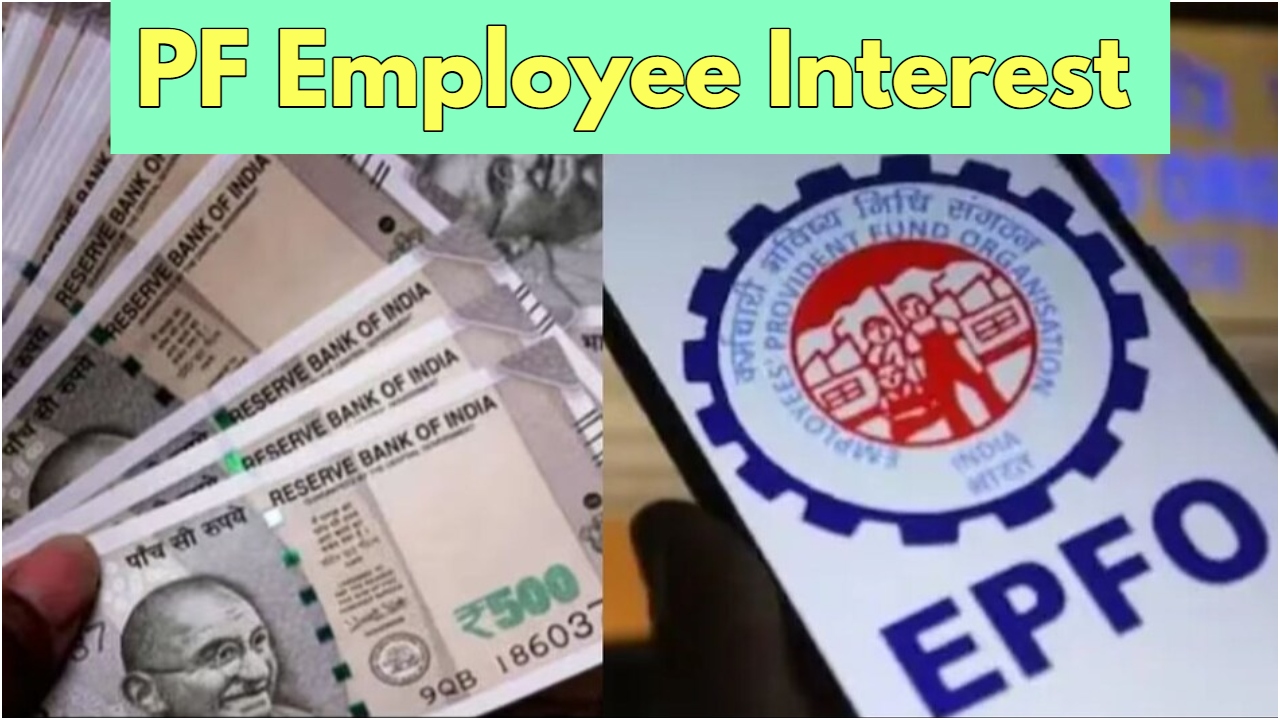
PF EMPLOYEE
EPFO Update – Several benefits are being offered to PF employees. Stopping contributions to EPF can hinder your retirement advancement and impact long-term savings. If you leave a job for any reason, EPF deductions are made, or if you join a job where EPF is not applicable, employee contributions are completely stopped.
Despite this, the EPF account remains active for a period of time, and interest continues to accrue during that period. Furthermore, as per EPFO rules, interest is paid on EPF deposits for three years (36 months). After this, the government stops paying interest. After three years, the EPF account is considered inactive.
Read More: Life insurance industry breaks growth record as GST exemption gains big.
Withdrawals and Tax Impact
If you remain unemployed for more than two months, you can withdraw your EPF. If you fail to complete five years of continuous employment, you will be taxed on EPF withdrawals.
Additionally, contributions from both the employee and employer, along with the interest earned, are taxable according to your income. If, for some reason, you leave the money in the account and it continues to earn interest, no tax is levied on it.
Learn about EPF Transfer
Furthermore, when you change jobs, it’s essential to transfer your EPF account instead of closing or abandoning it. Using a UAN, you can link all your accounts. Balances can also be transferred through the EPFO. This keeps your service information in one place. Tax benefits also remain, and your savings continue to grow.
The Government Pays Interest Annually
For your information, the Central Government provides interest to PF employees every year. For the financial year 2024-2025, an interest rate of 8.25% has been provided. The government provides interest on the amount deposited in the PF account. This does not cause any problems. Now the big question is how much interest will PF employees get in future.

vipin kumar
Next Article
KKR vs MI: कोलकाता के रंग में भंग डालने उतरेगी मुंबई इंडियंस, चेक करें संभावित प्लेइंग इलेवन
5 बार आईपीएल खिताब जीतने वाली मुंबई इंडियंस लीग स्टेज के आखिरी मैचों को जीतने के लिए पूरी कोशिश करती नजर आएगी. कोलकाता और मुंबई इंडियंस की प्लेइंग इलेवन कैसी रह सकती है, इससे जुड़ी जरूरी बातें नीचे डिटेल जान सकते हैं.
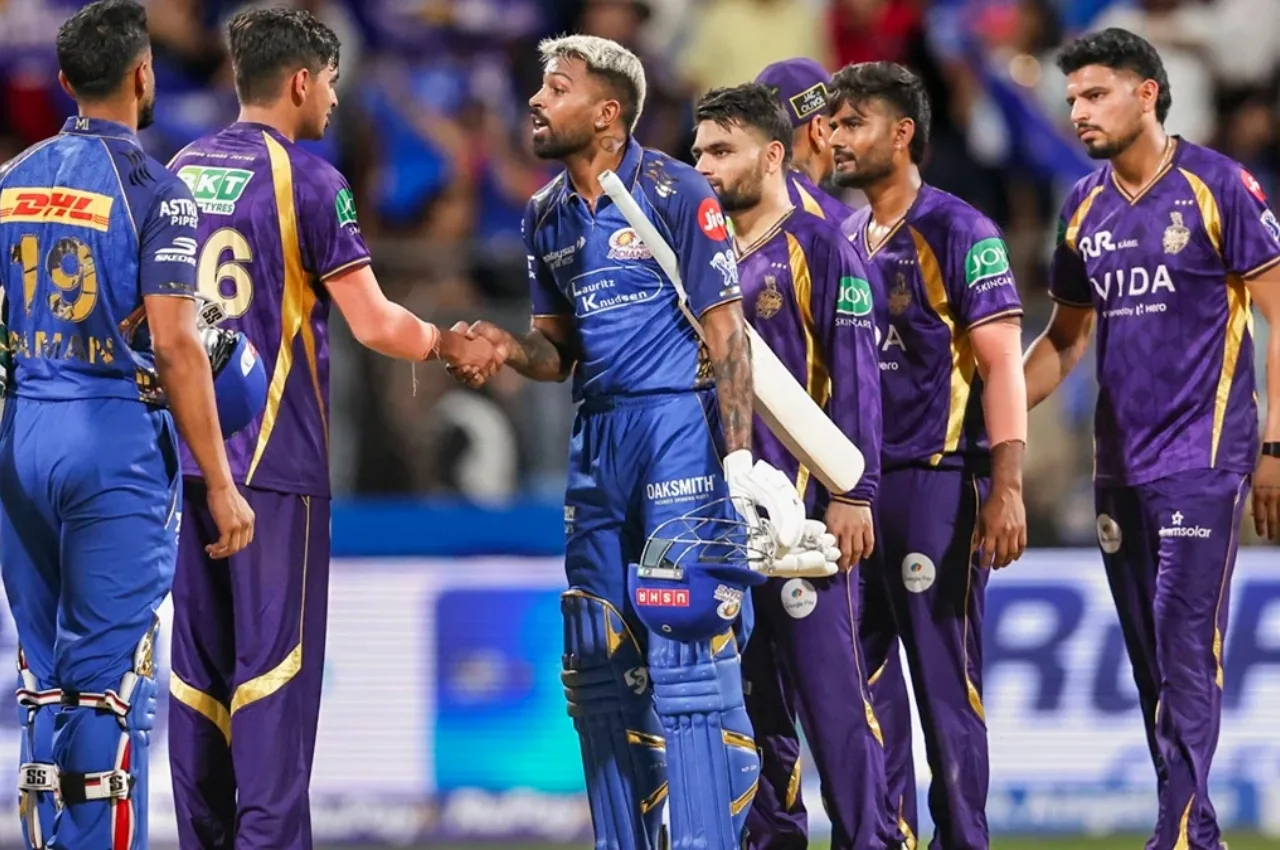
KKR vs MI Match: इंडियन प्रीमियर लीग (IPL) यानी आईपीएल का 65वां मैच कोलकाता नाइट राइडर्स और मुंबई इंडियंस (KKR VS MI) के बीच खेला जाएगा. यह मैच कोलकाता के ईडन गार्डन में शाम 7.30 बजे से खेला जाएगा. मैच काफी रोमांचकारी होने की संभावना है. मुंबई इंडियंस इन दिनों खराब दौर से गुजर रही है, जो प्लेऑफ की रेस से पहले ही बाहर हो चुकी है.
5 बार आईपीएल खिताब जीतने वाली मुंबई इंडियंस लीग स्टेज के आखिरी मैचों को जीतने के लिए पूरी कोशिश करती नजर आएगी. कोलकाता और मुंबई इंडियंस की प्लेइंग इलेवन कैसी रह सकती है, इससे जुड़ी जरूरी बातें नीचे डिटेल जान सकते हैं.
Write a Comment