

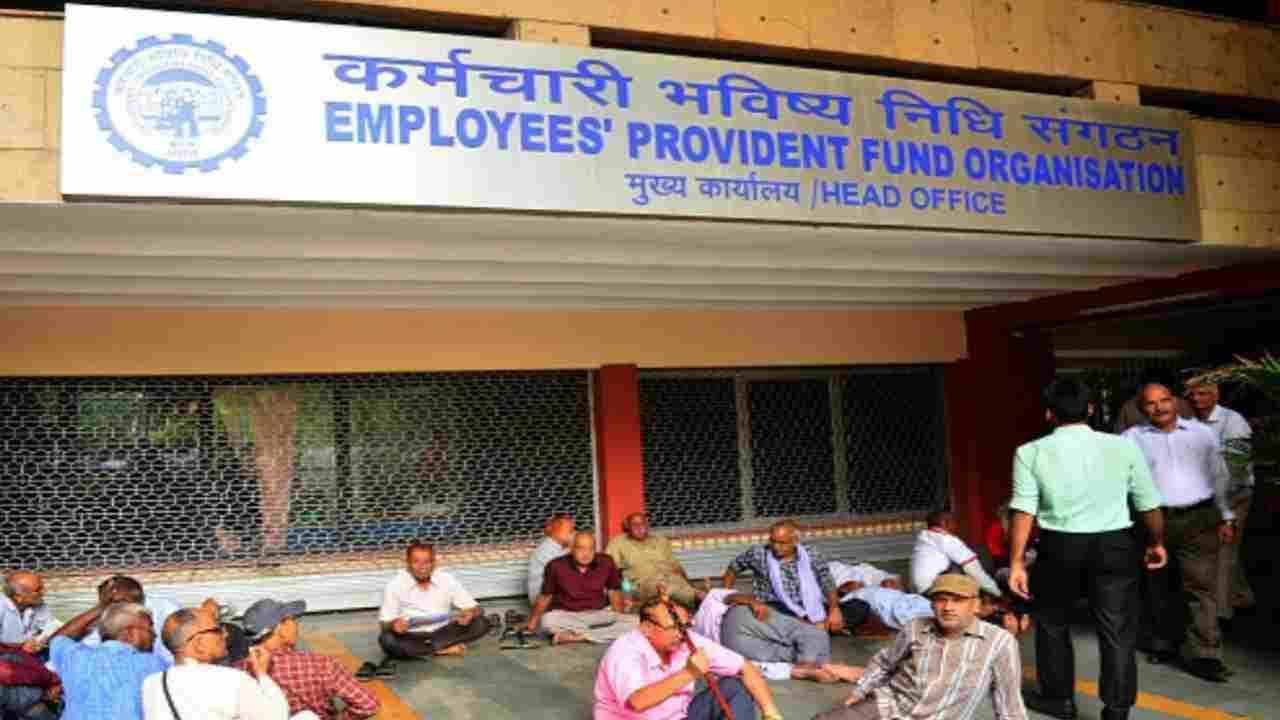
EPFO: The Employees’ Provident Fund (EPF) is crucial for the retirement planning of private sector employees. Each month,a fixed sum is deducted from an employee’s salary and deposited into the EPF. Additionally,the employer matches this contribution every month. The rules governing this fund are straightforward. However,many employees still find themselves puzzled by various regulations. Let’s explore some of the most frequent misunderstandings.
1. The retirement age for EPF is 60 years
This is a misconception. The actual retirement age according to EPF regulations is 58. Kunal Kabra,the founder of Custodian Life,stated,“58 is the official retirement age under EPF rules. Contributions cease once you retire.” This indicates that no EPF contributions are made after the age of 58,even if employees choose to continue working. A common belief is that the retirement age for EPF is 60.
2. EPF interest stops upon retirement
In reality,EPF deposits continue to generate interest even after retirement. However,this interest is only applicable for a limited duration. Kabra clarified that if an employee retires at 58,their EPF deposits will keep earning interest for the following three years. Therefore,interest will accumulate until they reach 61.
3. Interest is also available for 3 years on early retirement
The fact is,the three-year fixed interest period does not apply if an employee retires early. This is contingent on the age at which the employee retires. If someone retires before reaching 58,interest will continue to accrue only until the specified age limit,rather than for a three-year period. For instance,if you retire at 45,you will earn interest until you turn 58. If you retire at 57,interest will be available until you reach 60.
4. EPF account becomes inactive in case of job gap
As per EPFA regulations,a non-contributory period refers to the actual service time when members have not contributed to the Employees’ Pension Fund. This situation may arise from job loss,job changes,or being employed without access to EPF contributions. Such intervals are not recognized as pensionable service under the EPS. An EPF account becomes inoperative only if contributions are not made for three years. This does not mean the account is closed.
5. EPF pension starts after retirement
Under EPFS,pension begins at the age of 58 and is paid monthly as long as the individual is alive. This does not affect the individual’s working status. “EPS pension begins when a member turns 58,regardless of whether they work or not,” Kabra said.