
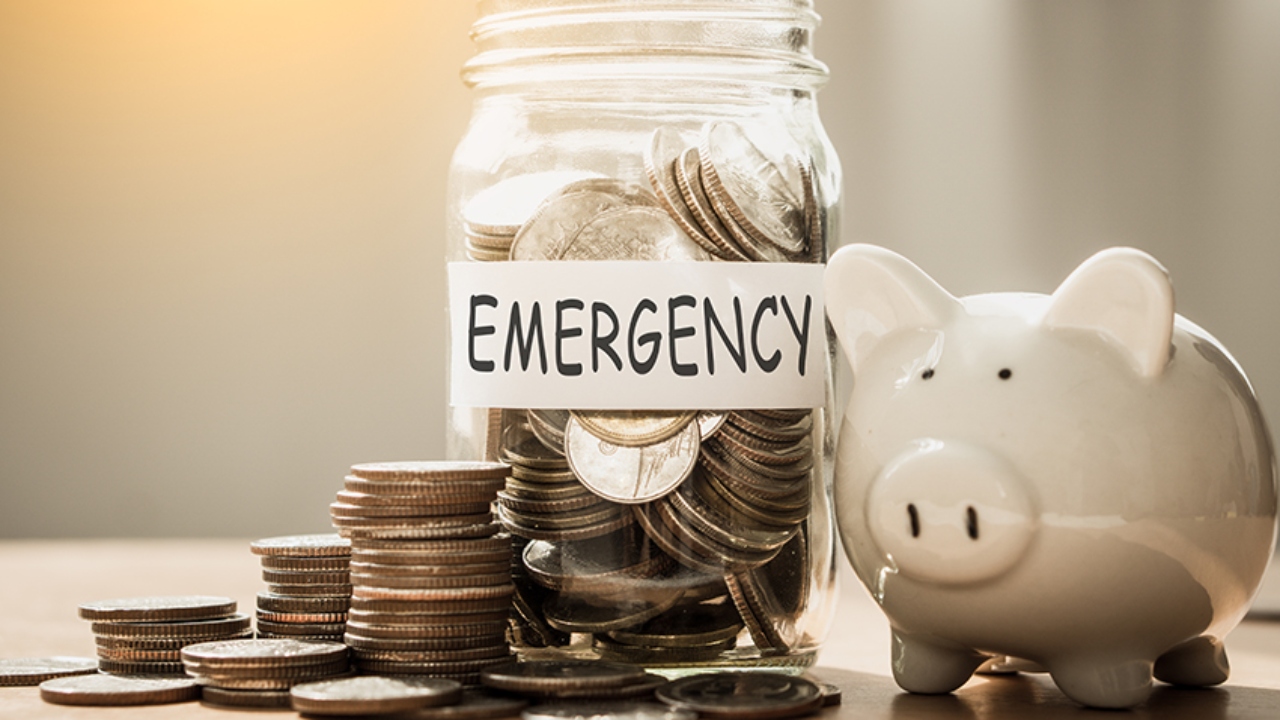
Emergency Fund Planning: Life presents itself with many challenges, such as illness, job loss, or unexpected home repair expenses. In these situations, you need an emergency fund to tide you over in your financial situation. This fund not only supports you in times of crisis but also provides peace of mind, knowing you have the funds to meet immediate needs. But the question arises: where and how to store this fund so that it remains safe and readily available when needed.
Savings Account: Instant Withdrawal Facility
The easiest way to store an emergency fund is through a savings account. It allows you to withdraw funds quickly. You can withdraw funds without hassle using an ATM, UPI, or net banking. However, the interest rate on a savings account is very low, so this is only an option where you can park a portion of your funds. Invest the remaining money in safe avenues to earn better returns.
Read Here: Volvo EX60 Electric SUV First Glimpse Come Out: Global Launch on 21 January 2026
Fixed Deposits Offer Security
If you want to keep your money for a longer period, a fixed deposit can be an excellent option. Your funds are completely safe in an FD, and you earn fixed interest. However, a minor drawback is that withdrawals from an FD may incur penalties or lower interest rates. The solution is to divide your emergency fund into several smaller FDs so that some FDs mature early and you can access the money immediately if needed.
Post Office Accounts Offer Government Security
Post Office schemes are another safe option, especially for those with limited online banking access. Deposits in a Post Office account earn stable interest and are protected by a government guarantee. However, withdrawing money from a Post Office account is not as easy, so it’s considered a good option for emergency funds that you need within 1-2 days. This can be a safe, stable, and reliable option, but when immediate withdrawals are needed, a savings account should be preferred.
Read Here: Royal Enfield Classic 350 2025 – A Perfect Blend of Tradition and Performance
All three options are useful for balance
To properly plan your emergency fund, it’s important to use all three options in a balanced manner. Use a savings account for emergency needs, while using fixed deposits for long-term investments, and keep a post office account as a safe investment. This way, you’ll get a balance of liquidity, security, and good returns.
The emergency fund should cover at least 3-6 months of expenses. You should review this fund periodically and adjust it as needed. It’s important to ensure you always have money available in case you face an emergency.
Latest News
- Weather Warning Delhi-NCR – Rain Alert & Dust Storm in Next 2-3 Hours, IMD Issues Yellow Alert

- PM Kisan Samman Nidhi Yojana: नहीं मिल रही 2000 रुपये की किस्त तो किसान तुरंत करवा लें यह काम

- Aadhaar Card Update Rules – How Many Times Can You Change Address, DOB & Number?

- Train Ticket: How to book a confirmed train ticket without an agent? Learn the Easy Steps

- Indian Railways– 155 Trains Express Declared High-Speed, Thousands of Railway Staff to Benefit

- Monsoon Alert – Warning Heavy to Very Heavy Rain alert & thunderstorms in 22 States Over Next 4 Days

- America-Iran War: मिडिल ईस्ट में तनाव होगा खत्म! ईरान ने होर्मुज रास्ते पर कही बड़ी बात

- PM Surya Ghar Yojana 2026: Get Up to Rs 78,000 Subsidy within 6 Easy Steps, Know Here

- Cheapest Available 5G Smartphones in India Under 10000

- UPSC Prelims Answer Key 2026 – How to Download UPSC Prelims Answer Key at upsc.gov.in