

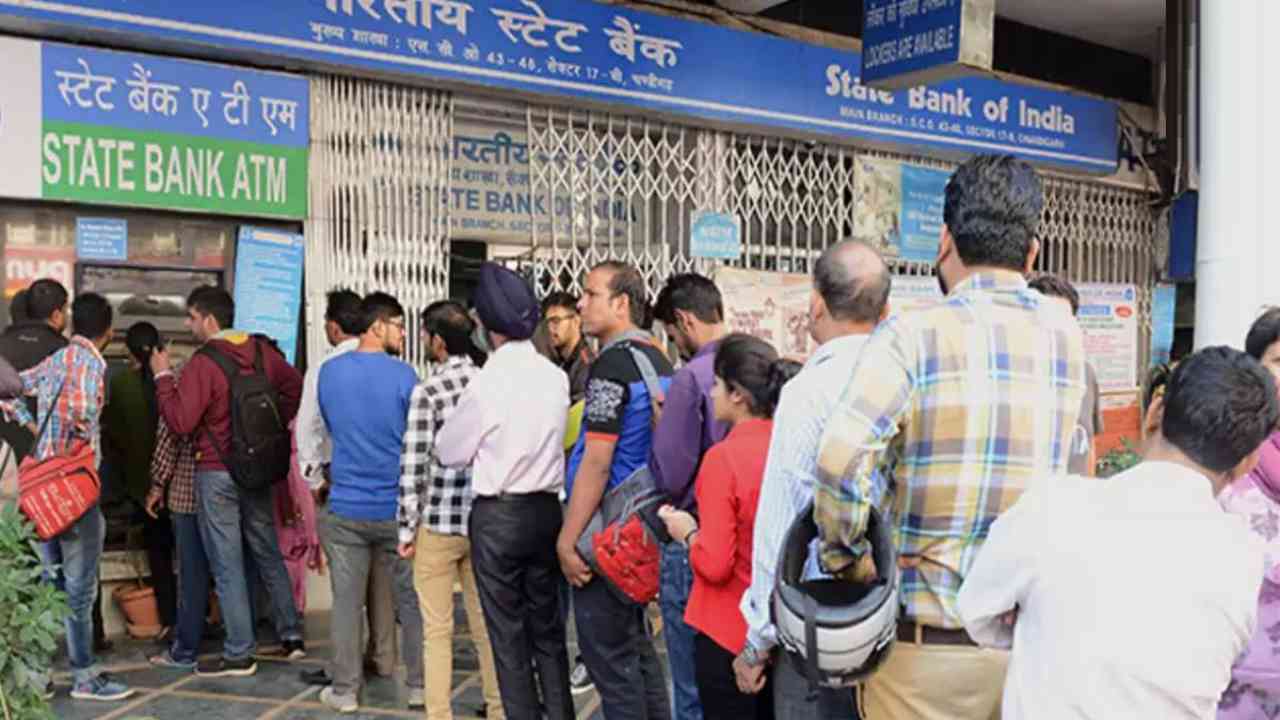
Eid Bank Holiday: There has been significant uncertainty among bank customers concerning Ramadan and Eid al-Fitr 2026. The date for Eid varies each year based on the moon’s sighting, which can lead to misunderstandings about holiday schedules. Fortunately, the Reserve Bank of India’s (RBI) holiday list now provides clarity on when and where banks will be closed in March 2026.
On March 20, 2026, banks will be closed in certain regions of the country to celebrate Eid al-Fitr (Ramadan) and Jumat al-Wida (Farewell to the Dead). Banking operations will be primarily impacted in Srinagar and select cities in Andhra Pradesh. Consequently, customers in these locations will not have access to branch services.
Which areas will have bank closures on March 21?
On March 21, 2026, most states nationwide will recognize a bank holiday. Banks will be closed throughout the country on this date for Eid al-Fitr (Eid). The states where banks will be closed include Uttar Pradesh, Delhi, Maharashtra, Gujarat, Karnataka, Tamil Nadu, Bihar, Rajasthan, West Bengal, Madhya Pradesh, Kerala, Assam, Odisha, Jharkhand, Chhattisgarh, Uttarakhand, Goa, Chandigarh, Manipur, Nagaland, Meghalaya, Arunachal Pradesh, Mizoram, and Sikkim, among others.
Eid holidays are determined after the moon is sighted
The date for Eid is established each year based on the moon’s sighting, known as “Chand Raat.” If the moon is seen on the evening of March 20th, Eid will be celebrated on March 21st, resulting in bank closures that day. This is the reason for the confusion among customers regarding the holiday this year.
Festival names in March
The list of bank holidays in March 2026 is extensive, as numerous significant festivals have either already occurred or are approaching this month. Various events, including Holi, Dhulandi, Dol Jatra, Yaosang, Chhapchar Kut, Shab-e-Qadr, Gudi Padwa, Ugadi, Telugu New Year, Navratri, Eid al-Fitr, Sri Ram Navami, and Mahavir Jayanti, are all recognized as state-wide bank holidays.
Customer’s Should Know About This
Customers need to plan their banking needs in advance to avoid any inconvenience. However, digital banking services will continue to operate as normal despite bank branch closures. Customers can transfer money, pay bills, and perform other essential tasks easily through UPI, mobile banking, and net banking.