
Recently, Andhra Pradesh Chief Minister Chandrababu Naidu has demanded the central government to ban ₹ 500 and above notes, after which the ₹ 500 note has once again come into the limelight. Can the Reserve Bank of India (RBI).
According to the media report RBI may decide to ban ₹ 500 notes by March 2026. This decision will not be like sudden demonetization but will be taken under a well-thought-out strategy. Let us know the 3 important reasons behind this, which will directly affect your pocket and the economy.
How will the number of ₹ 500 notes be reduced
Banking expert Ashwani Rana told TV9 that RBI may decide to ban ₹500 notes by March 2026. He clarified that RBI will not decide to ban these notes immediately like demonetization. Rather, it will work on reducing their number in the market by stopping their circulation beforehand. In this process, the circulation of ₹100 and ₹200 notes can be increased by the bank.
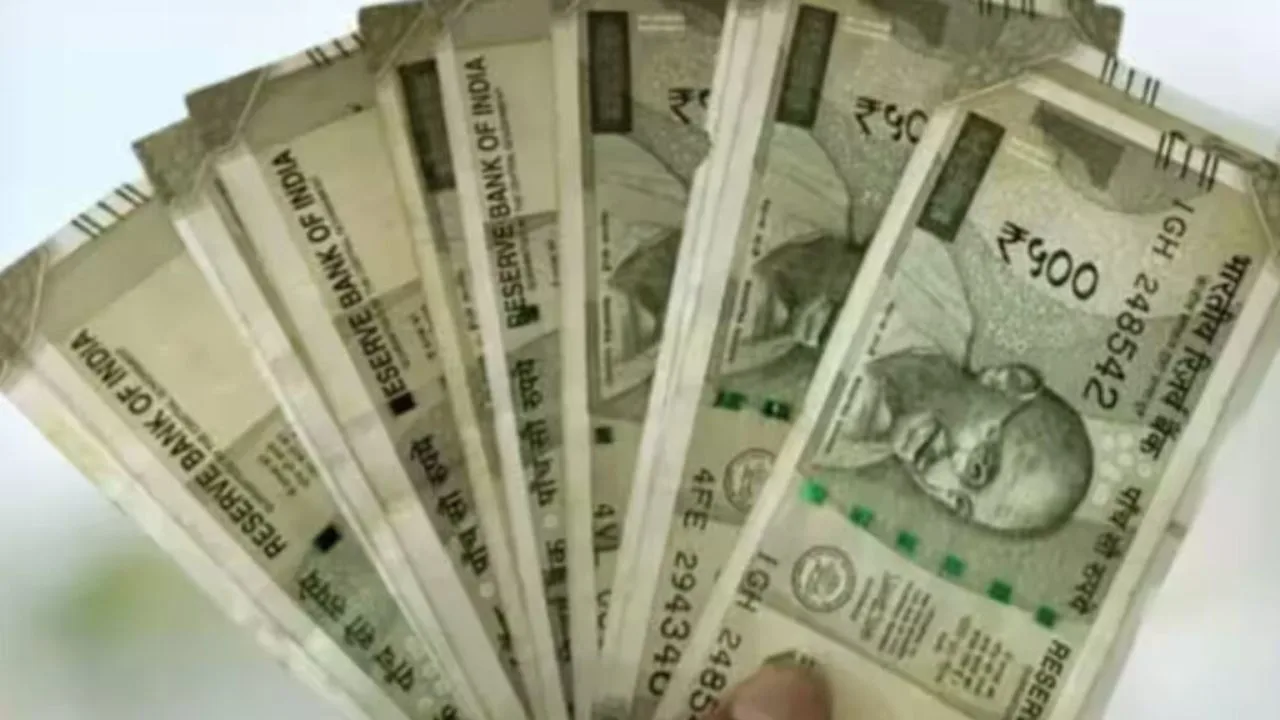
The number of these small denomination notes will be increased in ATMs and banks, and ₹500 notes will be gradually withdrawn from the market and deposited in banks. This process will not be completed in a day, but RBI has a detailed plan to do it. They can take a decisive decision on this by March 2026. This step will be taken to reduce the dependence on big notes in the market and promote the use of small notes. 3 big reasons behind the ban on ₹500 note
If RBI decides to ban the ₹500 note, as experts are also indicating, then there will be solid reasons behind it. Why is the regulatory bank considering banning a big note like ₹500? The main reasons for this are as follows:
Rein on black money
The government can ban the ₹500 note to curb black money. It is being seen across the country that whenever there is a raid by the Income Tax Department, the bundles of notes found there are mostly big notes, i.e. ₹500. The government and RBI are planning to ban the ₹500 note to stop this corruption. This decision can be taken to put pressure on banks to deposit black money and bring it into the legitimate financial system. This will be a big step towards increasing financial transparency.
Promotion of small notes
RBI will promote the circulation of small denomination notes. By reducing the circulation of ₹ 500 notes, the circulation of ₹ 100 and ₹ 200 notes will increase in ATMs and banks. Small notes of the same value will be printed as the ₹ 500 notes that will be banned. This will ensure the availability of small notes in daily transactions and will relieve people from the problem of loose money. This will be a systematic change that will improve currency management.
Promotion of digital payments
The government is also preparing to ban big notes to promote digital payments. Adoption of digital payments will help in identifying black money, as all transactions will be on record. Along with this, convenience will also increase for the people, as they will be able to transact easily without the hassle of carrying cash. With the growing popularity of UPI and other digital payment platforms, the government wants to reduce dependence on cash, thereby increasing transparency and efficiency in the economy.
Latest News
- US Green Card Rule Change, Know Before Apply

- PM Surya Ghar Scheme: खूब चलाएं एसी और कूलर, नहीं देना होगा बिल, जल्द कराएं यह काम

- ITR Filing Before May 31? You May Get Notice

- Women Free Bus Travel Scheme – How to Get Free Bus Travel From June 1, 2026? How to Apply

- LSG Vs PBKS Video: ऋषभ पंत पर भड़के अर्जुन तेंदुलकर! वीडियो देखकर आप भी रह जाएंगे हैरान

- Apple MacBook Neo Deal Alert: Get It For Under ₹58,000 on Amazon Right Now

- Pakistan Attack: आत्मघाती हमले से दहला पाकिस्तान, 23 लोगों की मौत, 50 से ज्यादा घायल, जानें

- Honor Magic 9 Series Leaks: Flagship Upgrades with Massive 8,000mAh Battery and 200MP Cameras

- Motorola Edge 60 Fusion Review: Mid-Range King or Outdated?

- FD Update– Breaking Your FD Early? Know the consequences