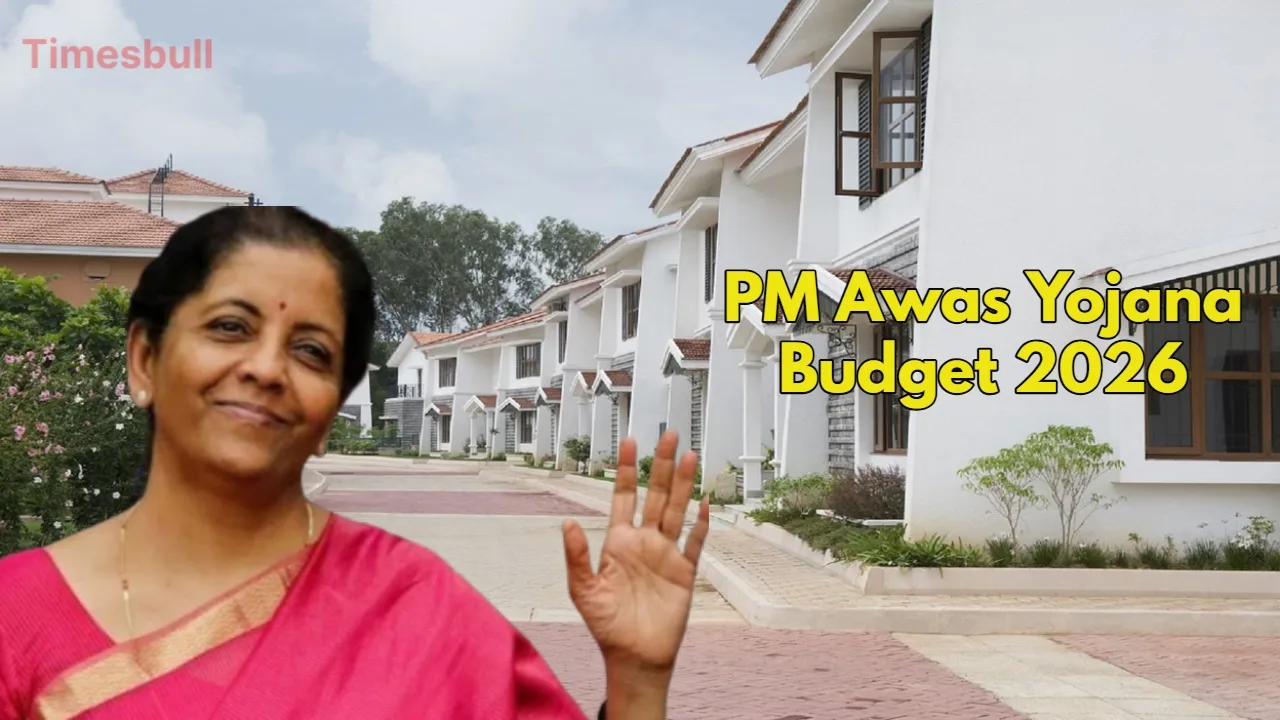
Big Update on PMAY: Finance Minister Nirmala Sitharaman presented her historic 9th budget in Parliament on February 1, 2026. While this budget reinforced the vision of a “developed India,” the allocation and future strategy for the Pradhan Mantri Awas Yojana (PMAY) for the middle class and the poor garnered attention.
While no major new schemes were announced in this budget speech, the government reiterated its commitment to implementing PMAY-Urban 2.0 and PMAY-Gramin. The government’s goal now is to reach families who have previously been excluded from the benefits of these schemes.
PMAY-Urban 2.0
Compared to last year, the management of funds for urban housing has been more strategic in this budget. The government’s focus is now on PMAY-U 2.0, through which, with the help of states and union territories, eligible families are being provided central assistance for purchasing, building, or renting homes.
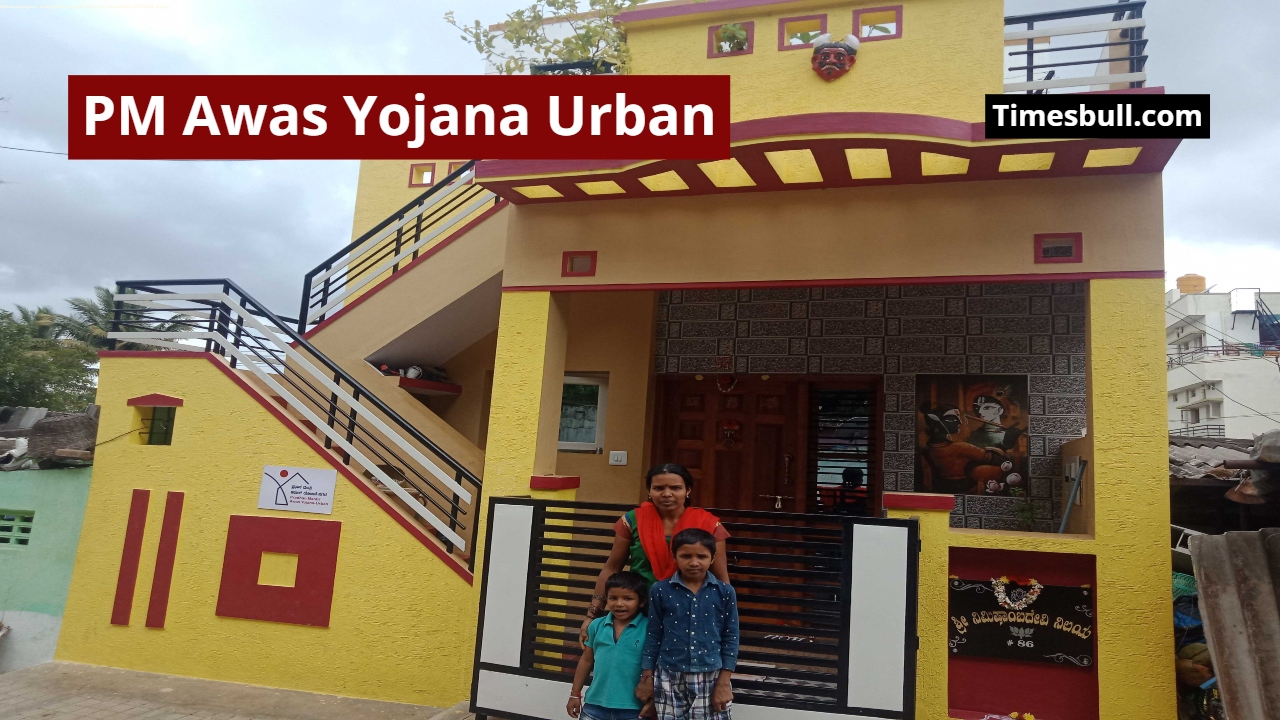
Under this scheme, families from the Economically Weaker Section (EWS), Low Income Group (LIG), and Middle Income Group-I (MIG-I) are eligible to apply. The government has also clarified this time that not only the poor but also middle-class families living on rent in cities and who do not own a permanent house will be covered. For PMAY-U 2.0 to become effective, states will have to sign a Memorandum of Understanding (MoU) with the Ministry of Housing and Urban Affairs (MoHUA).
Who will benefit from this scheme?
Strict and clear rules have been established for availing benefits under PMAY 2.0. The first condition is that the applicant or any member of their family must not own a permanent residence anywhere in India. The annual income for the Economically Weaker Section (EWS) must be up to ₹3 lakh, for the Lower Income Group (LIG) between ₹3 lakh and ₹6 lakh, and for the Middle Income Group (MIG-I) between ₹6 lakh and ₹12 lakh.
Furthermore, the government has decided that anyone who has benefited from a central, state, or local body housing scheme in the past 20 years will be ineligible for this new scheme. Furthermore, beneficiaries whose old PMAY-U units were cancelled after December 31, 2023, will not be given a second chance in version 2.0. These strict rules are intended to ensure that benefits reach only those who truly need a home.
PMAY-Gramin
PMAY-Gramin for rural areas is quietly but steadily progressing towards its goals. The budget indicates that converting kutcha houses into pucca houses in rural areas will be a priority. The government has made women’s empowerment a major focus of this scheme. Registration of houses under PMAY is now being prioritized in the name of women or jointly with them.
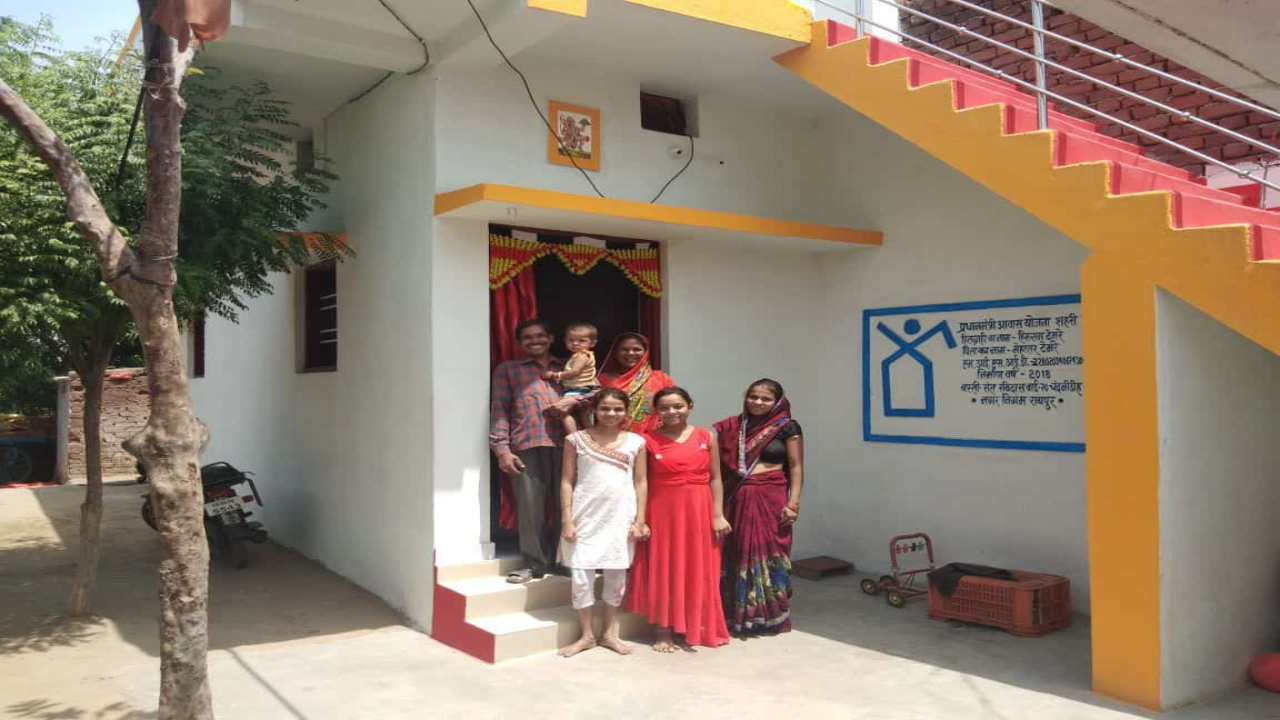
This will not only enhance women’s social status but also strengthen their economic status. Scheduled Castes, Scheduled Tribes, and other disadvantaged groups have also been provided special benefits and additional funding under this scheme.
New Hopes and Subsidies for the Middle Class
Budget 2026 offers some relief to the middle class as the government is expanding the scope of affordable housing. Under the new provisions, interest subsidies on home loans will be made more accessible.
This scheme could prove to be a significant financial relief for those burdened by rent in urban areas. The government believes that providing cheap home loans and government assistance to EWS and middle-class families will make it easier to deal with the challenges of urbanization.