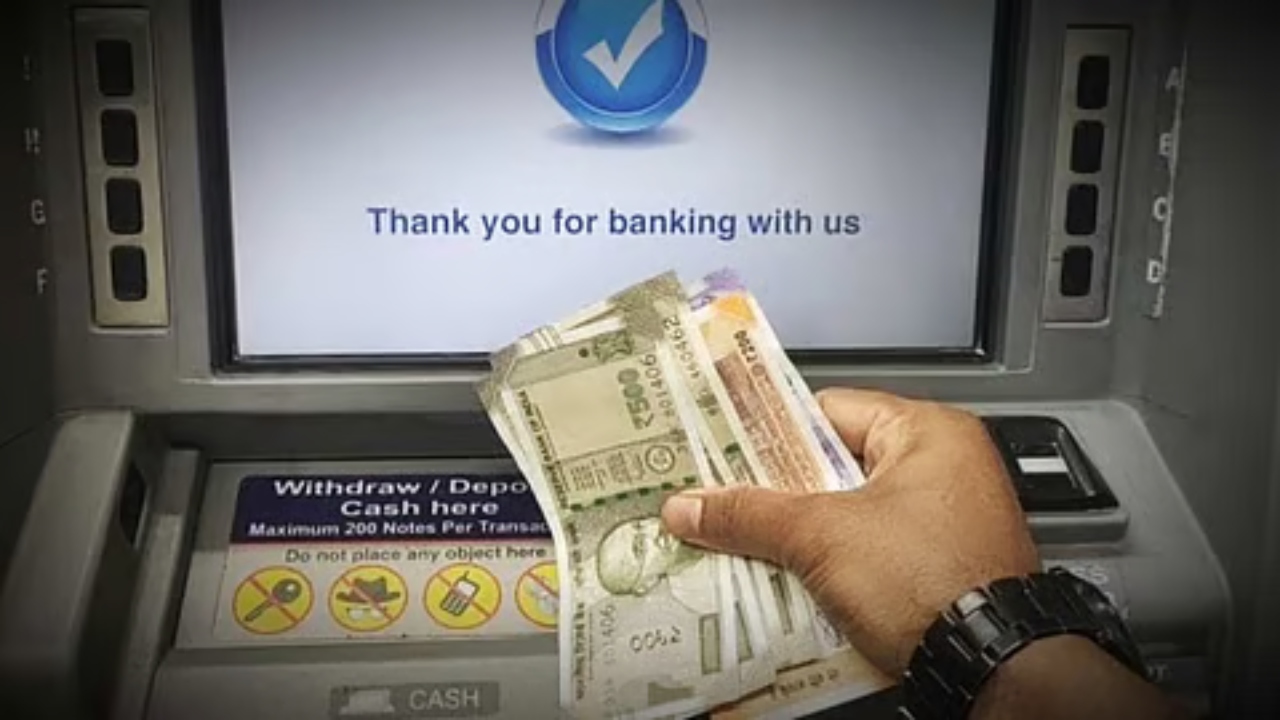
We often hear about zero-balance accounts. People, who have a basic salary or a very minimal income source, they often prefer to have a zero-balance account. People have some wrong informations about a zero-balance account, are they really free or there are any hidden charges? Here are all informations you should know.
A zero-balance account doesn’t mean banks offer completely free services. Banks charge fees for certain services, such as checkbook issuance fees, additional debit card fees, ATM withdrawal fees, and additional fees for exceeding online transaction limits. This means you’re relieved of minimum balance charges, but hidden service charges can slowly deplete your balance.
Read this things carefully
Therefore, it’s important to carefully read your account statement each month to understand where your money is being deducted and which services you can avoid. Zero-balance accounts are not only affordable but also convenient. They help people enter the banking world, simplifying daily transactions, managing money, and using digital banking services. This makes them a smart financial start, especially for young people and working individuals. Each bank’s zero-balance account has different rules and limits. So, before opening one, be sure to check several things, such as the number of free ATM transactions available. Also, whether there are any limits on internet banking and UPI transfers, and whether there are any hidden fees on checkbooks or debit cards. Choose an account after comparing these factors to ensure you get the most convenience and lower charges.
Important points related to this account:
1. There is no minimum balance charge but there may be charges on cheque book, ATM limit exceedance or online transfer.
2. It is especially suitable for students, new customers and salary account holders.
3. To avoid unneccesery charges check your statements every month, understand your bank’s fee structure, and avoid services that incur additional fees.
Latest News
- Motorola Edge 60 Fusion Review: Mid-Range King or Outdated?

- FD Update– Breaking Your FD Early? Know the consequences

- Bank Holiday–RBI Announces Closure of SBI, HDFC and All Banks Next Week, Save the Dates

- Samsung Galaxy S26 Ultra Amazon Deal – Get ₹23,509+ Discount with Bank Offers and Exchange Benefits
- Best Scooters For College Girls 2026 – Perfect Mix Of Mileage, Style And Lightweight Design
- Kodak Matrix QLED Google TV 2026 Series Launched in India Just Under 10,999

- Senior Citizen FD Rates: सीनियर सिटीजन को यहां से मिल रहा बंपर ब्याज, जल्द करें निवेश

- UGC NET 2026 – How to Apply for UGC NET June 2026? Last Date May 24 Till 11:50 PM at ugcnet.nta.nic.in

- Mahindra Thar New Version Leaked – Powerful Engine And Advanced Features Coming

- Jio 5G Unexpected Speed Drop: Network Slowdowns Frustrate Users