The Commission of Air Quality Management (CAQM) has made a big announcement that from July 1, 2025, all ‘End-of-Life’ (EOL) vehicles identified through Automatic Number Plate Recognition (ANPR) cameras will not be allowed to refuel at Delhi’s fuel stations. ‘End-of-Life’ vehicles mean any diesel vehicle older than 10 years and a petrol vehicle older than 15 years.
According to CAQM, this ban will extend to Gurugram, Faridabad, Ghaziabad, Gautam Buddha Nagar, and Sonipat from November 1, 2025, and will cover the entire NCR from April 1, 2026. Let us tell you what kind of announcement CAQM has made and what it means.
Over 3.63 crore vehicles checked
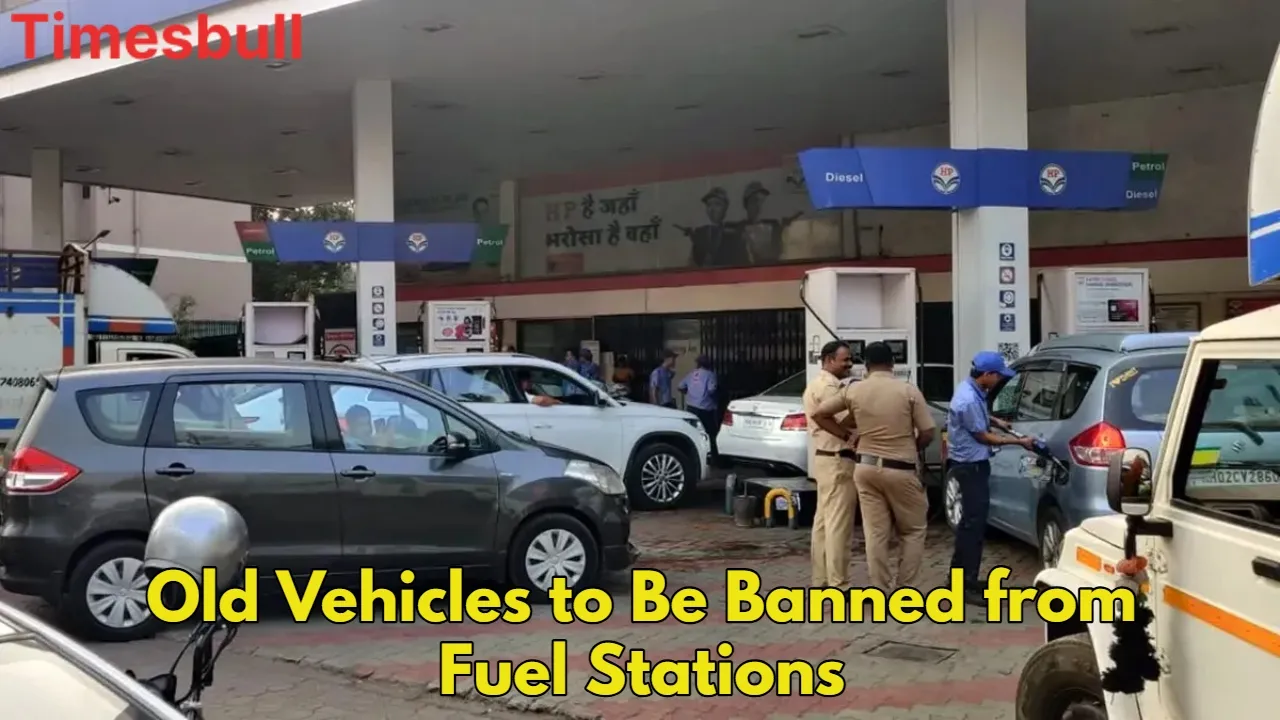
CAQM member Dr Virendra Sharma said that ANPR cameras have been installed at 500 fuel stations across Delhi, enabling real-time tracking of vehicle data. So far, the system has checked over 3.63 crore vehicles, of which 4.90 lakh vehicles have been marked as ‘end-of-life’. Sharma also said that 29.52 lakh vehicles have got their Pollution Under Control Certificate (PUCC) renewed, resulting in challans worth ₹168 crore being issued. This shows how seriously pollution rule violations are being taken.
100 enforcement teams will work
Additionally, to enhance enforcement, the Delhi Transport Department has deployed 100 dedicated teams. These teams will monitor the data, identify fuel stations with the most flagged vehicles, and ensure strict compliance. Sharma said that it is very important to remove old BS Standard vehicles to clean the air of Delhi and NCR.
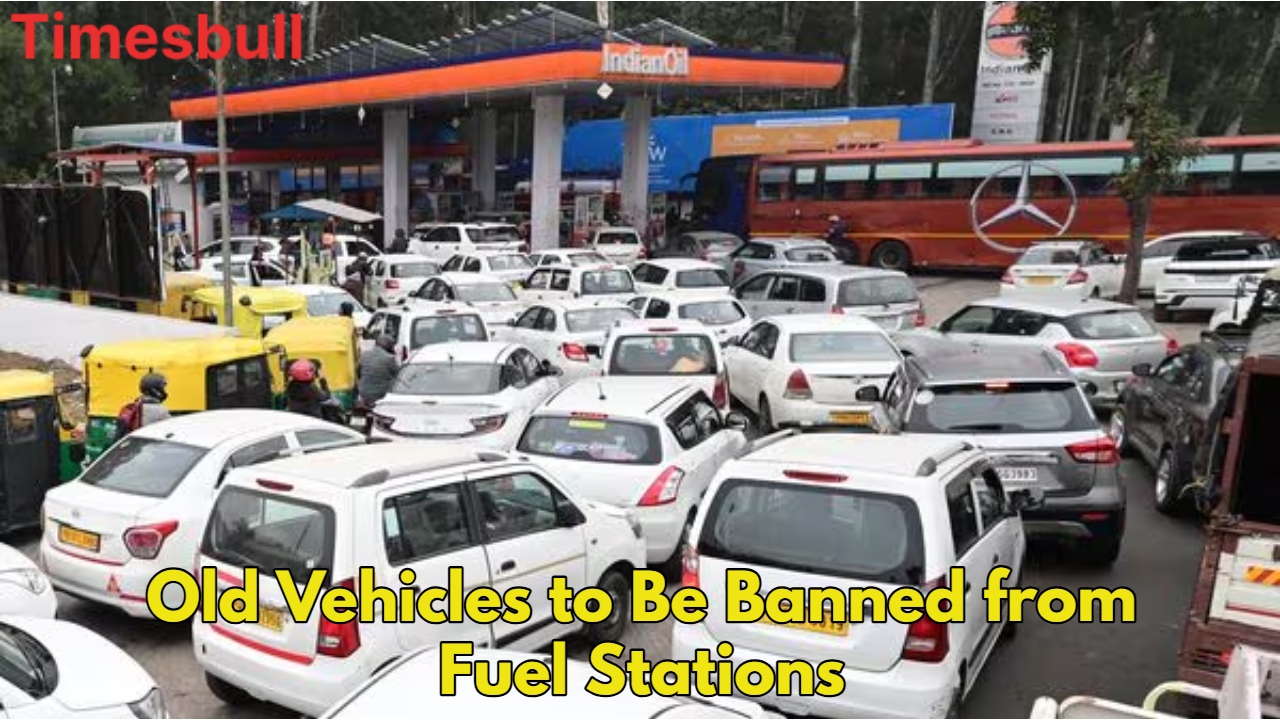
These vehicles play a big role in air pollution. Now that a transparent, digital, and accountable system has been implemented, it will also be used at toll centers to make this system more effective. About 100 enforcement teams will work on this so that strict action can be taken against those who violate the rules.
How does the ANPR system work
The ANPR system automatically captures the license plate numbers of vehicles as soon as they enter the fuel stations. It then cross-references the data with the Vehicle Database, which collects information such as registration details, fuel type, and age of the vehicle. If a vehicle is found to be above the legal age limit, it is flagged as EOL. Once flagged, the fuel station receives an alert to refuse fuel. The violation is recorded and sent to enforcement agencies, who can take further action such as impounding or scrapping the vehicle.
Latest News
- Bank Holiday Alert: अगले सप्ताह कितने दिन बंद रहेंगे बैंक? जाने से पहले चेक करें लिस्ट

- PAN Card–From Banking to Property Deals, Major PAN rules changed

- New Triumph Street Triple 765 RX Is Here – Limited Edition Track Monster Unveiled

- Best Budget Tablets for Students 2026 Under 20,000

- Free Bus Travel for Women Starts June 1, Know ID Rules and Many More

- How to Replace Siri with ChatGPT on iPhone: Step-by-Step iOS Setup

- Petrol-Diesel Price Today: 24 मई को कितना बदला पेट्रोल-डीजल का भाव, चेक करें 1 लीटर की कीमत

- White House Firing: व्हाइट हाउस के दरवाजे पर 25 राउंड फायरिंग से मची खलबली, संदिग्ध हमलावर की मौत

- Tata Tiago Facelift Launching Soon – Aggressive Design And High-Tech Cabin Revealed

- LPG Gas Connection Transfer Made Easy, Learn the Complete Process