
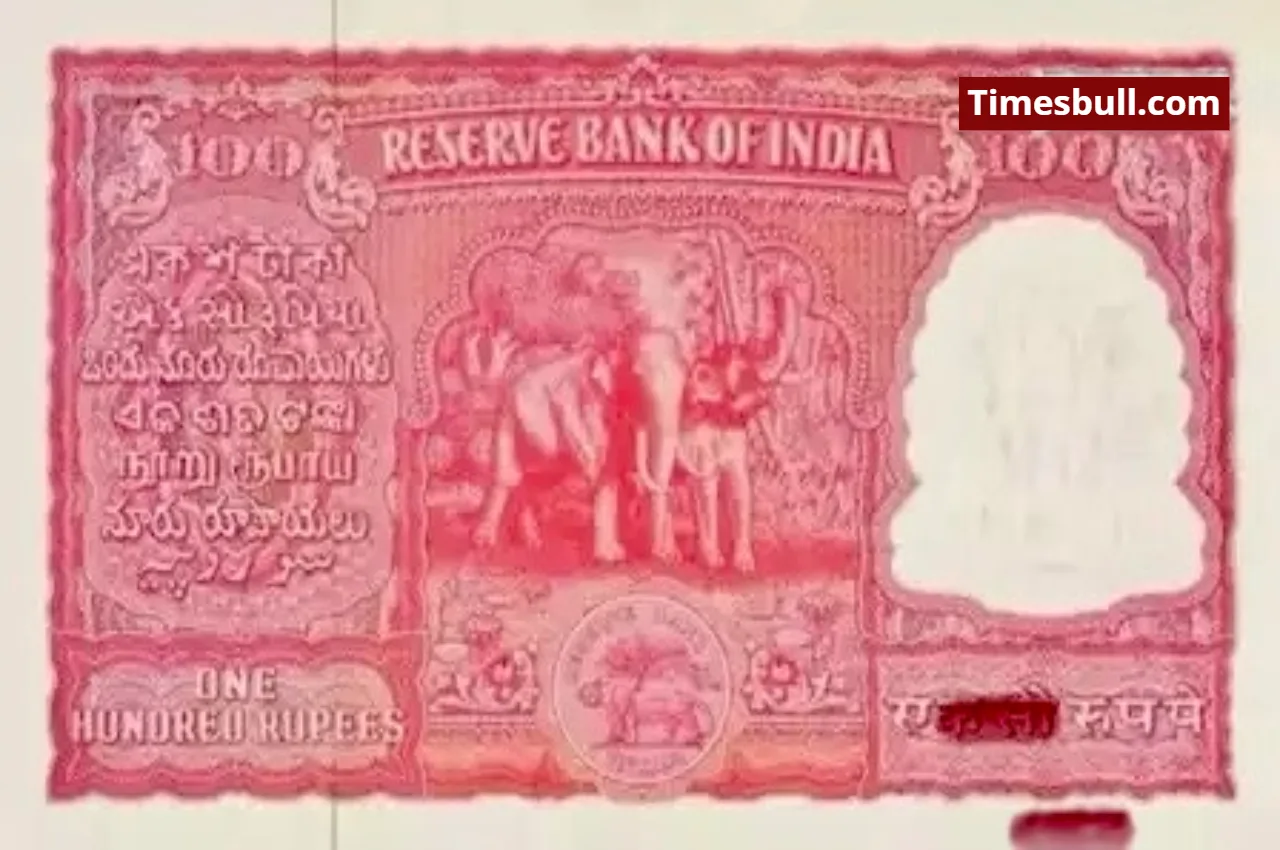
In a special auction held in London, a rare Indian 100 rupee note fetched a record price. The note was sold for approximately ₹56,49,650. This note was issued by the Reserve Bank of India in the 1950s and had the serial number HA 078400. This was not an ordinary currency note but part of a special series known as Hajj notes.
Read More- Hyundai i20 2026 Launched in India – Price Starts at ₹5.99 Lakh, Features and Engine Details
What were the Hajj notes, and why were they issued?
In the mid-20th century, the RBI issued special notes for Indian pilgrims going on the Hajj pilgrimage. At that time, there were instances of pilgrims illegally purchasing gold in foreign countries. These special notes were issued to control this and maintain the flow of foreign exchange.
Special features and design of Hajj notes
These notes had the prefix HA before the serial number, making them easily identifiable. In addition, their color was different from regular Indian notes. These notes could be used in some Gulf countries, such as the UAE, Qatar, Bahrain, Kuwait, and Oman, but they were not valid within India.
Why was the issuance of Hajj notes discontinued?
After the 1960s, the Gulf countries began introducing their own currencies. Kuwait introduced its currency in 1961, and gradually, other countries followed suit. The need for Hajj notes diminished, and their issuance was stopped in the 1970s.
Why are these currency notes so valuable today?
Today, these notes are considered extremely rare and are in high demand among currency collectors. The condition of the note, its rarity, and historical significance determine its price. This is why an ordinary-looking note can sell for millions of rupees.
Read More- Holi Special Train- 1410 trains will run from March 1 to March 22, Know details
Historic 1918 notes also sold for millions
Similarly, in another auction in London, two 10 rupee notes from the World War I era also sold for millions of rupees. These notes were issued in 1918 and are believed to be connected to the SS Shirala ship, which sank during the war. Due to their historical significance, the value of these notes has increased considerably.
Latest News
- Train Ticket: How to book a confirmed train ticket without an agent? Learn the Easy Steps

- Indian Railways– 155 Trains Express Declared High-Speed, Thousands of Railway Staff to Benefit

- Monsoon Alert – Warning Heavy to Very Heavy Rain alert & thunderstorms in 22 States Over Next 4 Days

- America-Iran War: मिडिल ईस्ट में तनाव होगा खत्म! ईरान ने होर्मुज रास्ते पर कही बड़ी बात

- PM Surya Ghar Yojana 2026: Get Up to Rs 78,000 Subsidy within 6 Easy Steps, Know Here

- Cheapest Available 5G Smartphones in India Under 10000

- UPSC Prelims Answer Key 2026 – How to Download UPSC Prelims Answer Key at upsc.gov.in

- 8th Pay Commission: एनपीएस और पुरानी पेंशन में कौन सी बेहतर, जानिए बड़ा अपडेट

- Xiaomi 17T Launching With Leica 5x Zoom and Huge 6,500mAh Battery Under ₹60,000

- NEET UG 2026 – Haryana & Bihar Announce Free Bus Service for Candidates on June 20-21