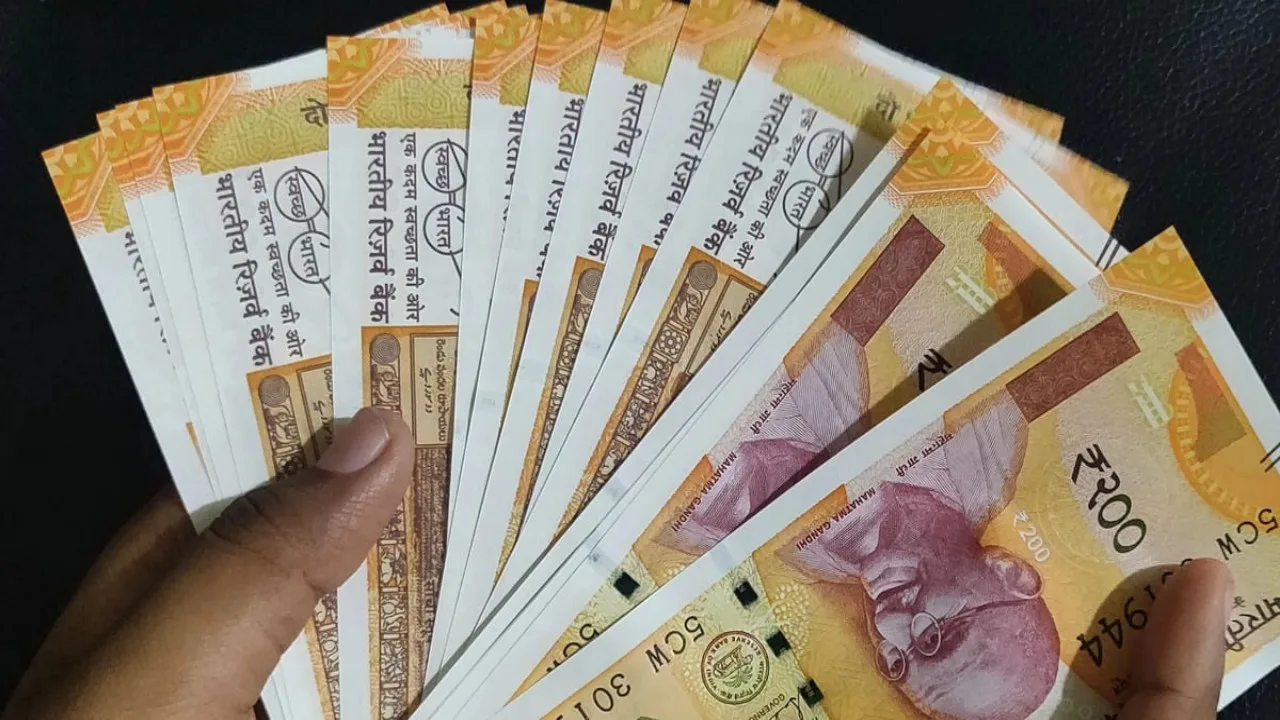
8th Pay Commission: Big news for central governement employees. Central employees and pensioners will need to be patient regarding their salary adjustments. There could be a delay in the recommendations from the 8th Pay Commission, making the revision effective from January 1, 2026, uncertain. According to sources, the commission’s recommendations might be ready by April 2026, although the exact timeline is still being finalized.
Implementation could extend into 2027, which means salary revisions may not occur until then. Despite this wait, it is expected that the 8th Pay Commission will apply to employees starting January 1, 2026, ensuring that any delays will still result in back pay for the employees. Overall, there is positive news on the horizon for them.
8th Pay Commission: Will you have to wait until 2027?
While the new pay commission is set to officially begin on January 1, 2026, salary revisions may experience some delays, potentially pushing the timeline into early 2027. During this period, both employees and pensioners will receive back pay for the months affected by the delay. Sources indicate that it could take between 15 to 18 months for the recommendations to be finalized, which is contributing to the expected delay.
Government insiders suggest that after the establishment of the 8th Pay Commission, the recommendations could be submitted within that timeframe. An interim report will also be provided before the final report, which is anticipated to be completed by May 2026.
8th Pay Commission: Salary Revision Delays Expected
Experts anticipate that the government plans to implement the 8th Pay Commission starting January 1, 2026, but the actual work will commence in April. This means it could take at least a year for the recommendations to be finalized. Following that, additional time will be needed for the implementation and approval of these recommendations. Consequently, delays in salary revisions are likely. Employees may start benefiting from the new pay scale in early 2027. However, it would be ideal for the government to initiate the changes from January 1, 2026, allowing employees to receive their dues. If there are delays in rolling out the 8th Pay Commission, employees could receive a lump sum payment for 12 months of arrears.
Review of Salary Increases in Previous Pay Commissions
Historically, previous pay commissions have seen an average salary increase of 27%. The 7th Pay Commission, however, only provided a 14.27% increase, which left many employees feeling dissatisfied. With the establishment of the 8th Pay Commission, it will be crucial to observe the government’s recommendations for salary increases this time around.
8th Pay Commission: Projected Dearness Allowance Increase
Based on the current Dearness Allowance (DA), it is expected to rise from 60% to 62% by January 1, 2026.
The following scenarios outline potential salary increases under the 8th Pay Commission:
The government might propose a salary hike ranging from 18% to 24%. A 24% increase would result in a higher fitment factor and a significant salary boost, while a mere 12% increase could lead to disappointment among employees.