
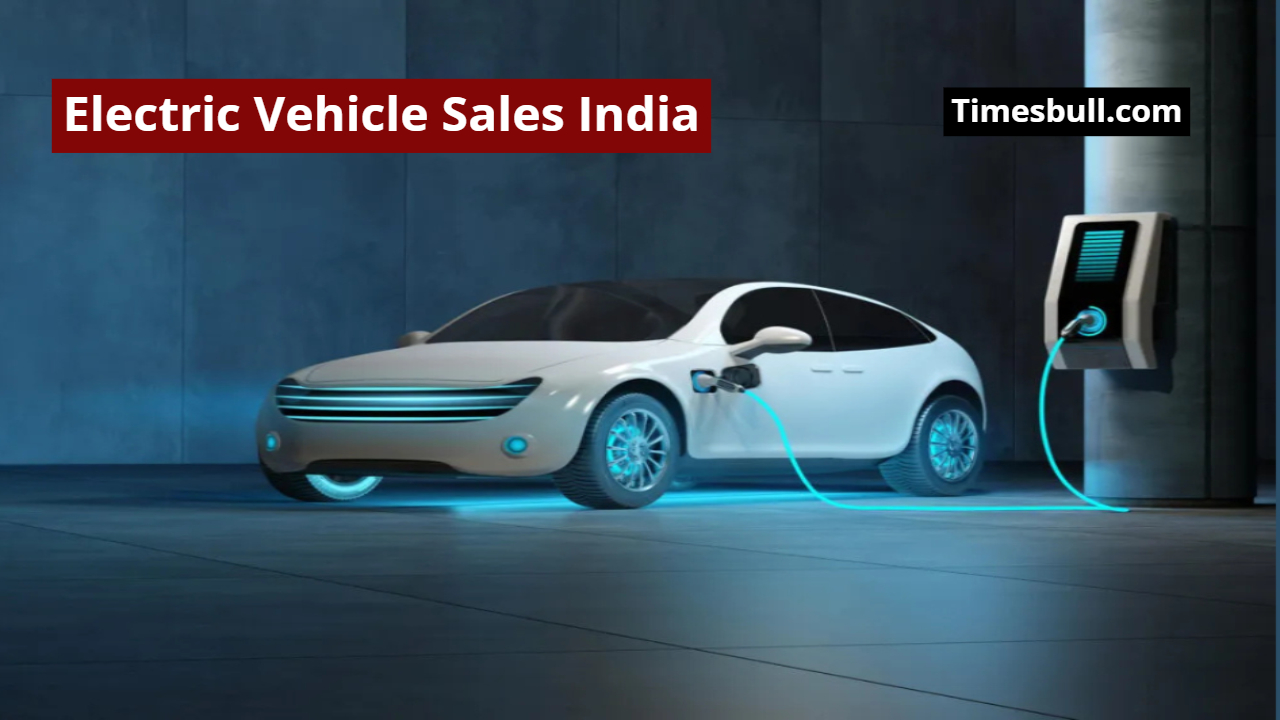
India’s electric vehicle policy has now entered a new and robust phase. While previously heavy government subsidies were considered necessary for EV adoption, the situation is now changing. Record sales of electric vehicles despite reduced subsidies prove that the country’s automobile market is rapidly embracing change.
According to the latest report from the Green Finance Centre of the Council on Energy, Environment and Water, 1.13 million electric vehicles were sold across the country in the first year of the Prime Minister’s E-Drive scheme. Significantly, the subsidy per vehicle under this scheme was almost half that of the FAME-2 scheme, yet the sales figures were considerably stronger.
The Journey from FAME-2 to PM E-Drive
The FAME-2 scheme was considered crucial for promoting EVs in India for a long time. However, the PM E-Drive scheme has made it clear that the market is no longer solely dependent on incentives. According to the report, annual EV sales under PM E-Drive were approximately 3.4 times higher than under FAME-2. This shift indicates that consumer confidence in electric vehicles is continuously growing.
EV Market Share Increases to 7.5 Percent
The report also states that the journey of electric vehicles in India began with a very limited number. While only about 2,000 EVs were sold in 2014-15, a sharp increase was observed after 2019-20. By 2024-25, total EV sales in the country will have reached 1.96 million units. The share of electric vehicles in total automobile sales is now approximately 7.49 percent, which is a significant indicator in itself.
From E-rickshaws to Two-wheelers: A Changing Landscape
In the initial years, e-rickshaws dominated the EV market, but consumer preferences have changed over time. By 2024-25, more than 11.5 lakh electric two-wheelers had been sold in the country. This figure indicates that EVs are becoming the preferred choice for personal transportation among the general public.
Growth in Commercial EVs and Buses
According to the report, sales of commercial electric four-wheelers also saw a significant increase by 2024-25. Although the number of electric buses is still limited, this segment is also gradually registering growth. This trend could make public transport more sustainable and environmentally friendly in the future.
Pace of EV Adoption Across States
The CEEW’s Green Finance Centre states that EV adoption is happening rapidly in relatively higher-income states like Delhi, Goa, and Karnataka. Improved charging infrastructure and greater awareness are considered major contributing factors.
Policy Shift, Market Self-Reliance
According to Kartik Ganeshan, Fellow and Director at CEEW, the shift from FAME-2 to PM e-Drive is a decisive turning point in India’s EV policy. The sale of 11.3 lakh electric vehicles despite reduced subsidies indicates that several segments of the EV sector are now capable of growing independently.
Latest News
- US Green Card Rule Change, Know Before Apply

- PM Surya Ghar Scheme: खूब चलाएं एसी और कूलर, नहीं देना होगा बिल, जल्द कराएं यह काम
- ITR Filing Before May 31? You May Get Notice

- Women Free Bus Travel Scheme – How to Get Free Bus Travel From June 1, 2026? How to Apply

- LSG Vs PBKS Video: ऋषभ पंत पर भड़के अर्जुन तेंदुलकर! वीडियो देखकर आप भी रह जाएंगे हैरान

- Apple MacBook Neo Deal Alert: Get It For Under ₹58,000 on Amazon Right Now

- Pakistan Attack: आत्मघाती हमले से दहला पाकिस्तान, 23 लोगों की मौत, 50 से ज्यादा घायल, जानें

- Honor Magic 9 Series Leaks: Flagship Upgrades with Massive 8,000mAh Battery and 200MP Cameras

- Motorola Edge 60 Fusion Review: Mid-Range King or Outdated?

- FD Update– Breaking Your FD Early? Know the consequences