
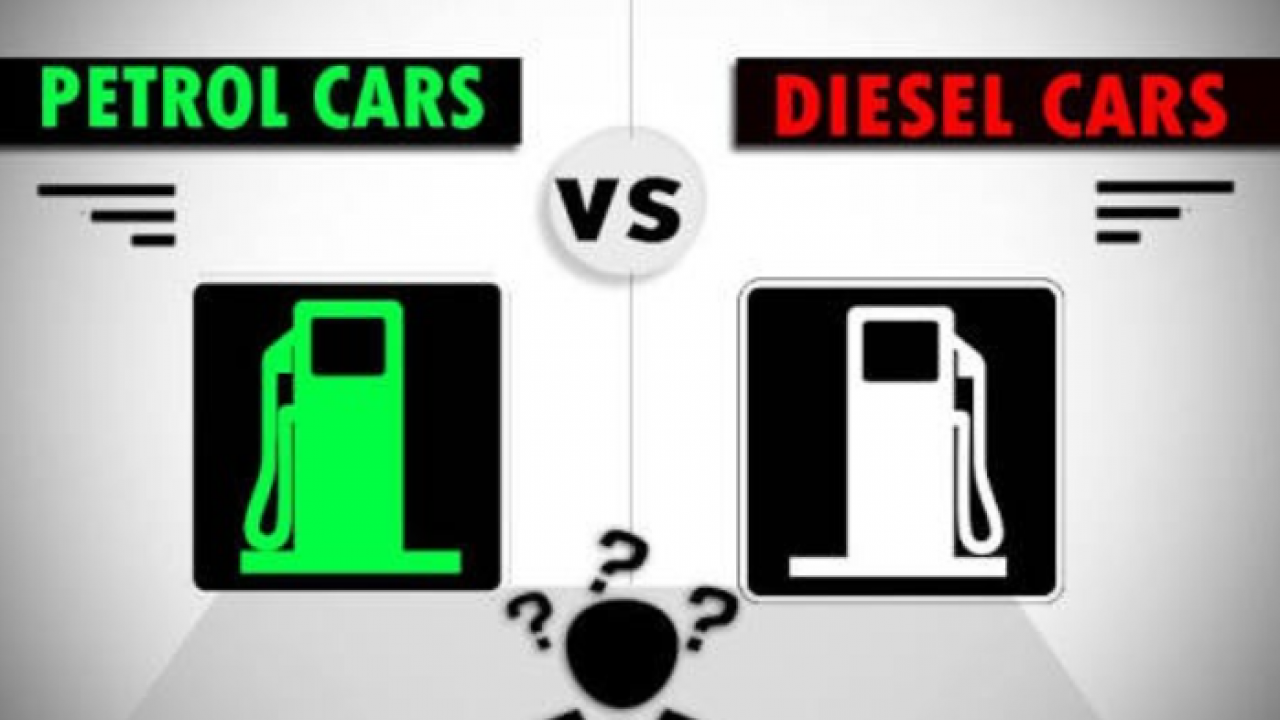
Petrol vs Diesel Cars : Purchasing a new automobile is always exhilarating, but one of the most commonly asked questions in 2025 still remains- which one to buy-a petrol-operated vehicle or a diesel-operated one? Both have their pros and cons, and it all boils down to your personal driving habits, budget, and overall plans with the vehicle.
Petrol Cars
Petrol cars are smooth on the road and give you a fairly good deal for initial purchase prices. Their prices are typically lower than those of diesel vehicles, while they are easy to maintain. They are quieter when driving on the roads, which makes them comfortable in city traffic. If your daily run is less than 40-50 km, petrol is the way to go.

Diesel Cars
Diesel cars, on the other hand, are more for people who like driving more. They give better mileage than petrol cars, especially on a highway. Diesel engines are strong and just love long-distance driving. But generally, they are rather expensive to buy and maintain. However, if your job involves regular driving of 1,500 km or more in any month, you can save on a diesel car over the long haul.
Changing Times- 2025

By 2025, the imposition of stringent emission norms and the advent of electric vehicles are rapidly squeezing the diesel car options in India. Most of the automakers are focusing on petrol, hybrid, and electric cars instead. Diesel vehicles are confined now, to exist in a few large SUVs and commercial vehicles, while C-segments are shifting petrol and CNG.
So, What Should You Prefer?
Petrol will do if you mostly drive in city conditions, want something light on the pocket as a purchase price, and prefer smooth and low-maintenance vehicles.
Diesel will do if you mostly take long trips, want good mileage, and do not mind paying something extra at the start for savings in the long run.
Latest News
- Indian Railways– 155 Trains Express Declared High-Speed, Thousands of Railway Staff to Benefit

- Monsoon Alert – Warning Heavy to Very Heavy Rain alert & thunderstorms in 22 States Over Next 4 Days

- America-Iran War: मिडिल ईस्ट में तनाव होगा खत्म! ईरान ने होर्मुज रास्ते पर कही बड़ी बात

- PM Surya Ghar Yojana 2026: Get Up to Rs 78,000 Subsidy within 6 Easy Steps, Know Here

- Cheapest Available 5G Smartphones in India Under 10000

- UPSC Prelims Answer Key 2026 – How to Download UPSC Prelims Answer Key at upsc.gov.in

- 8th Pay Commission: एनपीएस और पुरानी पेंशन में कौन सी बेहतर, जानिए बड़ा अपडेट

- Xiaomi 17T Launching With Leica 5x Zoom and Huge 6,500mAh Battery Under ₹60,000

- NEET UG 2026 – Haryana & Bihar Announce Free Bus Service for Candidates on June 20-21

- PM Kisan 23rd Installment: Farmers to get Rs 2000 in June? Know Here